Workshops become much easier when the tools are chosen around the session flow.
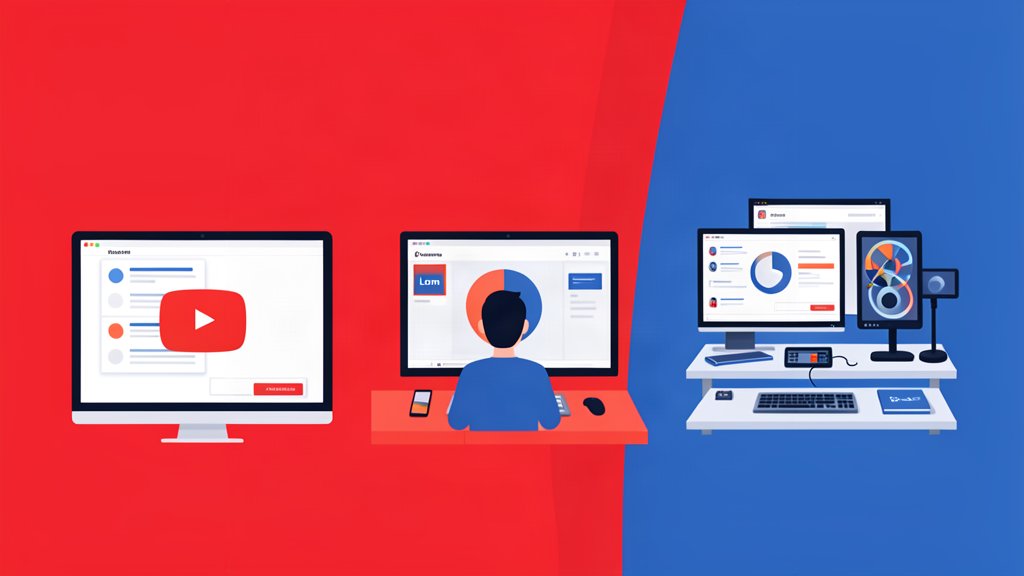
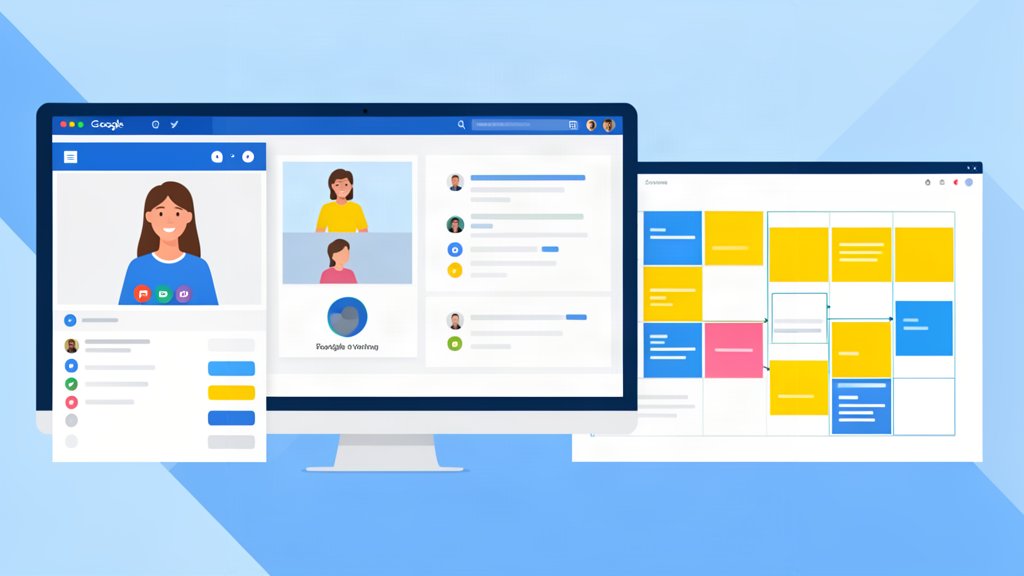
Google Meet and Zoom handle the live conversation. Google Slides helps structure the narrative. Miro gives the group a shared place to capture ideas, map systems, or collect decisions.
Give Each Tool One Job
- Google Meet or Zoom for the live session.
- Google Slides for the teaching flow.
- Miro for collaborative notes and mapping.
If all four are used as the same thing, the workshop becomes harder to follow.
The tools work best when the workshop is designed as a sequence. Meet or Zoom hosts the conversation. Slides keeps the facilitator on track. Miro becomes the shared workspace where the group turns ideas into structure.
Miro is especially helpful when the session needs a visual decision board. Google Slides is better for a fixed narrative. Google Meet and Zoom are both fine for the live layer, so the choice there usually comes down to the team’s existing habits and meeting controls.
Keep The Session Practical
A useful workshop needs a visible outcome: a decision, a plan, a mapping of the current stack, or a checklist for the next phase. The tools should support that result instead of distracting from it.
It helps to set the room up before anyone joins:
- Share the deck in advance.
- Prepare one Miro board with a small number of frames.
- Decide who is presenting and who is capturing notes.
- Leave time for a clean summary at the end.
That way, the group leaves with artifacts that can actually be used later.
Workshop Rule
If the session is strategic, the structure matters more than the meeting app. If the structure is clear, the technology disappears into the background.
Practical Rule
A good workshop feels calm and structured. The tech should help the group think, not remind them they are in a meeting.
Official resources: Google Meet, Zoom, Google Slides, and Miro.
Related areas
Related What I Do
These What I Do pages are matched from the subject matter of this article, creating a cleaner path from educational content to implementation work.
Continue reading
Related articles
Based on shared categories first, then the strongest overlap in tags.