
How Ubuntu 26.04 Is Fixing AI Development
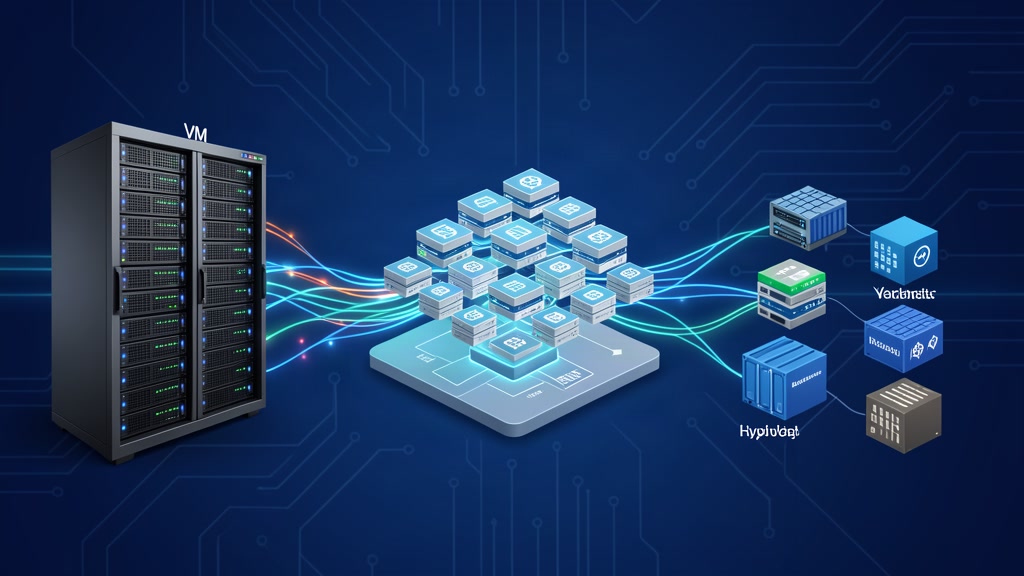
Ubuntu 26.04 LTS improves the security, container, and retrieval layers that AI teams keep fighting during development and deployment.
Blog
The archive is organized around the main subject areas used across the site so it is easier to browse by intent instead of scanning a single undifferentiated list.
Category directory
Each article now belongs to one primary category, which makes the archive easier to scan and keeps adjacent topics from blending into each other.
Release notes and product changes that affect implementation choices across AI, web, and infrastructure.
Applied AI patterns including agents, retrieval, evaluation, and production system design.
Hosting, Linux, deployment, networking, and operations topics that keep systems dependable under load.
Frontend architecture, CMS choices, and implementation tradeoffs for modern content-driven web systems.
Search visibility, analytics, and conversion-focused content strategy grounded in measurable outcomes.
Hardening, privacy controls, identity safeguards, and risk reduction practices for web and AI systems.
Positioning, trust, operating model, and system-level decisions that connect delivery to business outcomes.
Content strategy and operations across planning, modeling, migration, and publishing systems.
Workflow automation, orchestration, and integration patterns for reducing manual work across teams.
Software engineering practices, tooling, and implementation patterns for building and operating applications.
Recent updates
Platform updates, launches, and release-level changes with practical impact on architecture and operations.
Ubuntu 26.04 LTS improves the security, container, and retrieval layers that AI teams keep fighting during development and deployment.
Cloudflare Flagship brings feature flags closer to the edge, with a network-native model that can suit AI products and fast-moving launches.
Cloudflare Registrar API beta lets builders search, check, and register domains from the same workflow they already use.
Browser Run turns Cloudflare’s browser tooling into something more useful for agent workflows, testing, and review loops.
Cloudflare’s AI Platform is turning into a unified inference layer for teams that want to ship agent applications faster.
Cloudflare Agent Memory gives builders a managed way to persist what agents should remember and forget.
Recent LangChain releases make agent projects easier to control with better structured output, built-in tools, retries, and model capability metadata.
Shared Dictionaries are a compression idea that can make repeated content and agent-heavy pages cheaper to deliver.
LangGraph v1.1 makes state, streaming, and typed outputs cleaner for agent workflows that need to be reliable and easier to maintain.
Cloudflare’s Agent Readiness score gives site owners a way to think about how well their pages work for AI agents and crawlers.
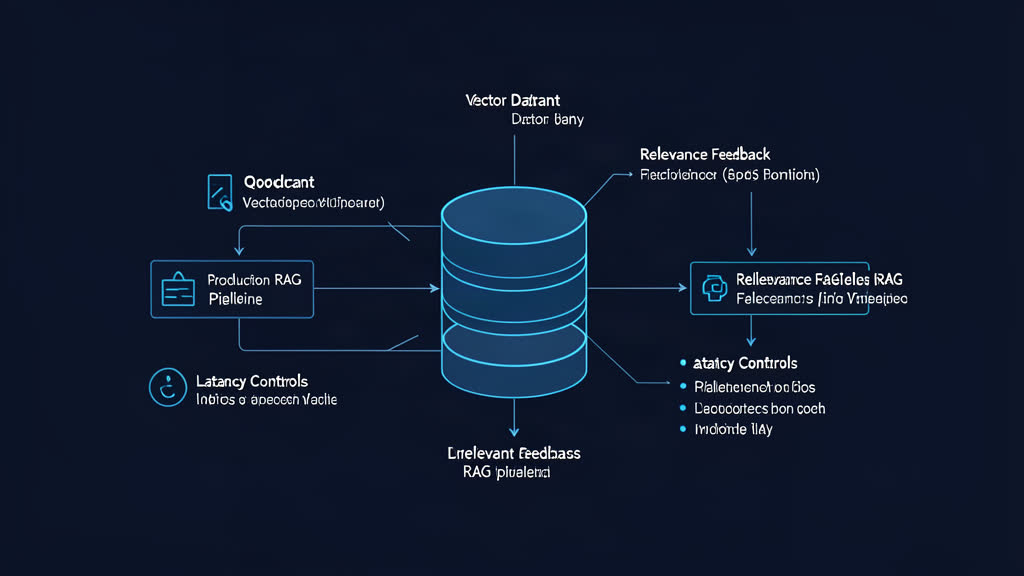
Qdrant 1.17 adds relevance feedback, latency controls, telemetry, and UI improvements that matter when retrieval is part of a real production system.
Tailwind CSS v4.0 reshaped the framework with a new configuration model, better performance, and a cleaner customization story.
Tailwind CSS v4.1 adds text shadows, masks, and more support for richer interfaces without abandoning utility-first discipline.
Astro 5.17 adds better image options, partitioned cookies, and a more flexible dev toolbar for practical site work.
Astro 6 brings a refactored dev server, an experimental Rust compiler, live content collections, and stronger CSP support.
Astro 6.1 tightens image defaults, fallback routing, and content-focused ergonomics for sites that need predictable publishing behavior.
Recent archive posts
This keeps the newest posts visible across categories before you drill into one archive lane.
A useful talk from Mario Zechner about building Pi with a stronger product philosophy in a market full of shallow AI tooling and repetitive agent hype.
A useful video overview of the Pi coding agent and why its extensible, terminal-first approach stands apart from more closed coding-agent tools.
Podman Compose is useful for local multi-service workflows, but the important detail is that podman compose is a thin wrapper around an external Compose provider rather than a separate orchestration layer.
The Docker vs Podman decision is less about ideology and more about which runtime model, security posture, and operational habits fit your team.
Pi's model catalog is useful because it makes provider choice, context limits, and price tradeoffs visible before developers commit to one coding-agent workflow.
Podman becomes especially practical when you use it for rootless containers, explicit service management, and small workloads that do not need heavy orchestration.
AI
Articles on agent workflows, model integration, retrieval design, and production AI constraints.
A useful talk from Mario Zechner about building Pi with a stronger product philosophy in a market full of shallow AI tooling and repetitive agent hype.
A useful video overview of the Pi coding agent and why its extensible, terminal-first approach stands apart from more closed coding-agent tools.
Pi's model catalog is useful because it makes provider choice, context limits, and price tradeoffs visible before developers commit to one coding-agent workflow.
Infrastructure & DevOps
Server, deployment, database, and operations content focused on reliability, scalability, and maintainability.
Podman Compose is useful for local multi-service workflows, but the important detail is that podman compose is a thin wrapper around an external Compose provider rather than a separate orchestration layer.
The Docker vs Podman decision is less about ideology and more about which runtime model, security posture, and operational habits fit your team.
Podman becomes especially practical when you use it for rootless containers, explicit service management, and small workloads that do not need heavy orchestration.
Web Development
Frontend and CMS implementation content covering architecture, performance, and publishing workflows.
A basic Magnolia CMS setup goes more smoothly when the team starts with the official getting-started path, understands bundles and webapps, and uses Magnolia CLI to create a clean first project structure.
Alpine.js is useful on Magnolia-driven pages when the goal is to add filters, dropdowns, tabs, and small form behavior without overbuilding the frontend.
Magnolia and Alpine.js can work well together when a team wants editable, API-driven content delivery without turning every frontend interaction into a framework-heavy application.
Marketing & SEO
Content on SEO, analytics, reporting, structured data, and conversion-oriented growth decisions.
Matomo, Plausible, and PostHog solve different analytics problems, so the right choice depends on reporting depth, privacy, and product tracking needs.
Google Tag Manager and Looker Studio work best as the center of a simple measurement system with clear reporting and naming rules.
Google Ads, Search Console, and Looker Studio work best when they answer one question at a time instead of trying to cover everything at once.
Security & Privacy
Practical security and privacy implementation notes on headers, consent, identity, and protection layers.
Magnolia and Alpine.js can complement each other when a team needs strong governance and compliance on the CMS side while keeping the frontend interaction layer intentionally small.
OWASP ZAP, WAVE, and SSL Labs cover different risk layers, and together they give a more realistic review of a website.
Small service sites usually need fewer tracking layers, not more. A better setup uses first-party measurement, clear notices, and consent only where it is needed.
Business Strategy
Business strategy content focused on prioritization, operating choices, and long-term digital leverage.
The right choice between Magnolia and a lighter CMS depends less on feature lists and more on workflow depth, integration pressure, governance needs, and the cost of long-term complexity.
n8n, Zapier, and Make each fit a different automation style, so the best choice depends on control, speed, and maintenance.
Odoo, HubSpot, and Airtable can work together when each system has a clear role and a shared data model.
Content
Content-focused articles on strategy, CMS workflows, migrations, and scalable publishing operations.
A Magnolia migration goes better when the team treats authoring flows, approvals, content structure, and external dependencies as first-class migration scope instead of backend details.
Magnolia's integration framework becomes valuable when teams need DAM, commerce, CRM, analytics, and optimization systems to feel like part of one publishing platform instead of a pile of custom glue code.
Astro content collections keep service pages, blog posts, and other structured pages aligned without adding CMS complexity too early.

Automation
Articles on automation design, orchestration tooling, integrations, and practical workflow scaling.
WordPress publishing gets easier when content changes, status updates, and team notifications all travel through one automation layer.
Monthly reporting becomes much easier when analytics, search visibility, and dashboards are designed to work together from the start.
Airtable and n8n are a strong fit when service-page updates need structure, review, and reliable handoff between people.
Development
Development content covering practical coding patterns, tools, and implementation tradeoffs.
The Pi package ecosystem matters because it turns a minimal terminal coding harness into something much closer to a personal agent toolchain.
Copilot's current agent features matter less as AI novelty and more as workflow controls around sessions, skills, and model choice.
Strong GraphQL APIs come from a durable schema and business logic layer, not from exposing every database relation.