
How to Choose Between pgvector and Qdrant for Product Search
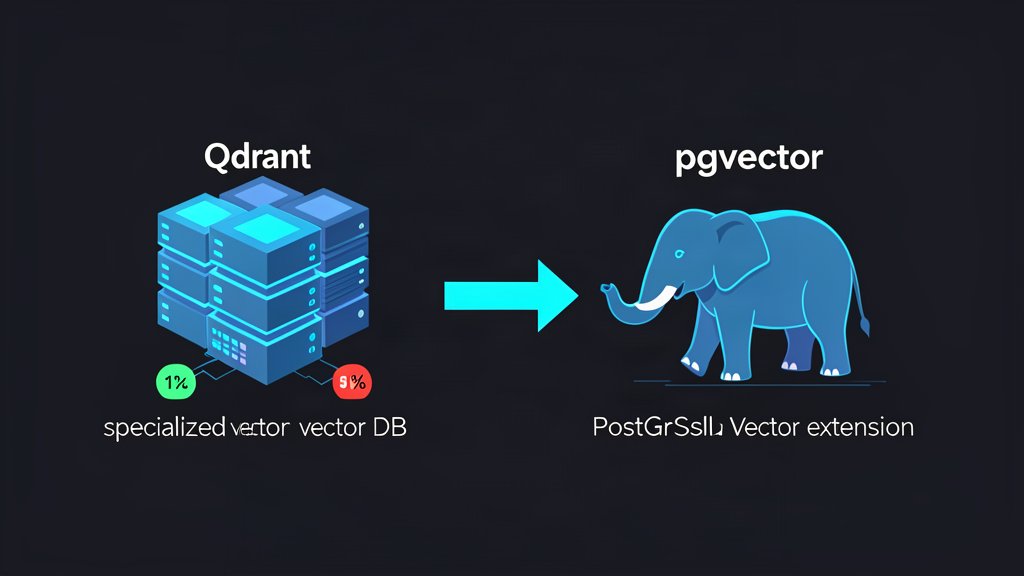
pgvector and Qdrant both support embeddings, but they fit different operating models for product search and retrieval.
Tag
6 matching blog articles with repeat coverage under this topic.
Tag wiki
Definition
Qdrant is a vector database engineered for real-time retrieval with the speed, accuracy, and scale that modern AI demands, offering hybrid dense-sparse search, metadata filtering, and production-grade vector search.
Why it matters
It matters when semantic retrieval needs low latency, metadata-aware filtering, scalable indexing, and a purpose-built engine for modern AI search workloads.
In this archive
Here Qdrant appears in RAG pipelines, semantic search, vector storage, retrieval tuning, and production AI systems where search quality and operational control matter. It currently appears across 2 categories, mainly AI, Updates.
Reference
Often appears with
pgvector and Qdrant both support embeddings, but they fit different operating models for product search and retrieval.
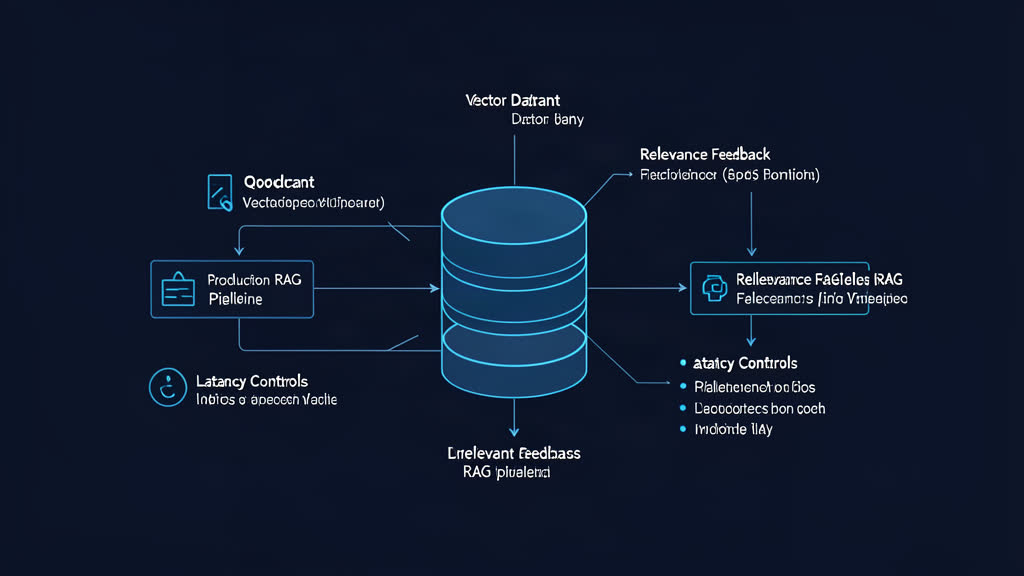
Qdrant 1.17 adds relevance feedback, latency controls, telemetry, and UI improvements that matter when retrieval is part of a real production system.
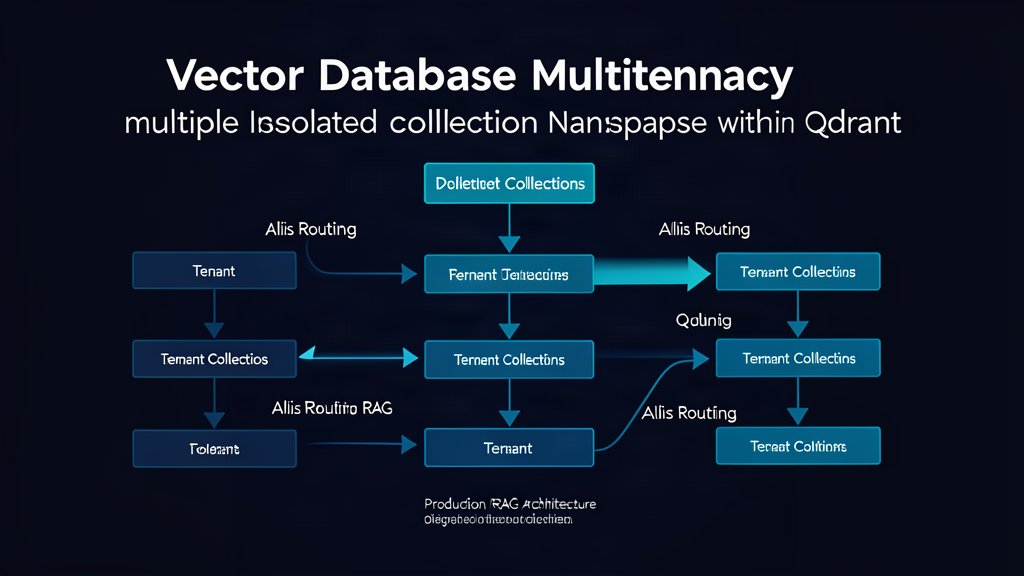
Qdrant multitenancy and collection aliases make it easier to serve multiple users and switch retrieval indexes safely in production RAG systems.
A practical comparison between keeping vectors in PostgreSQL with pgvector and moving retrieval into Qdrant.
A practical Qdrant RAG architecture using dense vectors, sparse vectors, prefetch, and multi-stage search.
Qdrant is an AI-native vector search engine for teams that need semantic retrieval, multitenancy, and flexible vector layouts.