
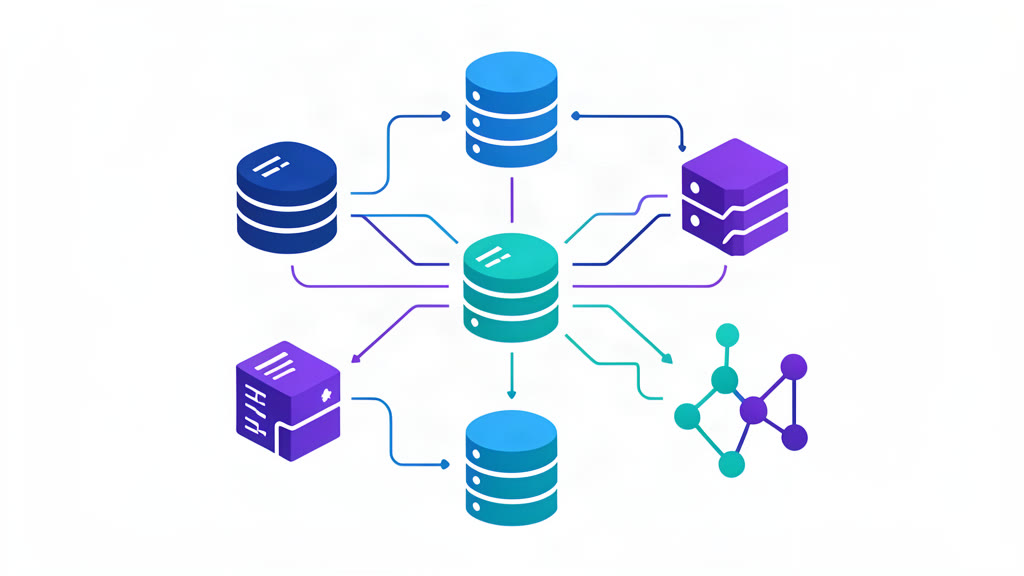
How to Choose a Database for a Modern Web Application
A practical framework for choosing PostgreSQL, MongoDB, SQLite, or serverless databases for a modern web application, with guidance on consistency, scaling, security, backups, and cost.
Tag
5 matching blog articles with repeat coverage under this topic.
Tag wiki
Definition
PostgreSQL is a powerful, open source object-relational database system that uses and extends the SQL language combined with many features that safely store and scale the most complicated data workloads.
Why it matters
It matters when data modeling, transactional integrity, query power, extensions, and long-term maintainability shape the implementation.
In this archive
In this archive PostgreSQL appears in application backends, operational infrastructure, analytics, AI retrieval systems, and decisions where the database is part of the architecture, not just storage. It currently appears in 5 articles and crosses 2 categories.
Nearest categories
Reference
Often appears with
A practical framework for choosing PostgreSQL, MongoDB, SQLite, or serverless databases for a modern web application, with guidance on consistency, scaling, security, backups, and cost.
pgvector and Qdrant both support embeddings, but they fit different operating models for product search and retrieval.
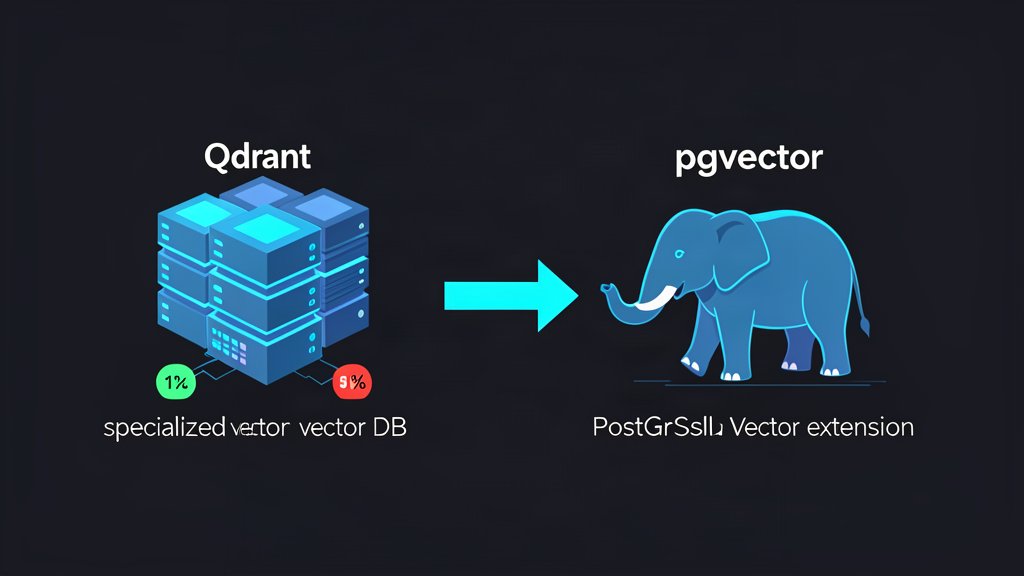
A practical comparison between keeping vectors in PostgreSQL with pgvector and moving retrieval into Qdrant.
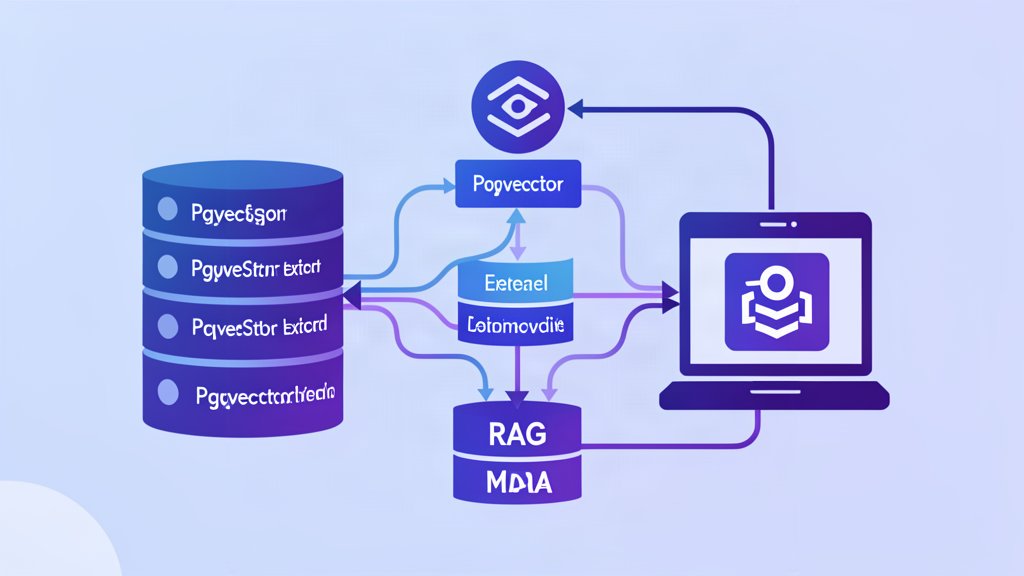
A practical RAG architecture using PostgreSQL, pgvector, embeddings, and a model that answers from retrieved context.
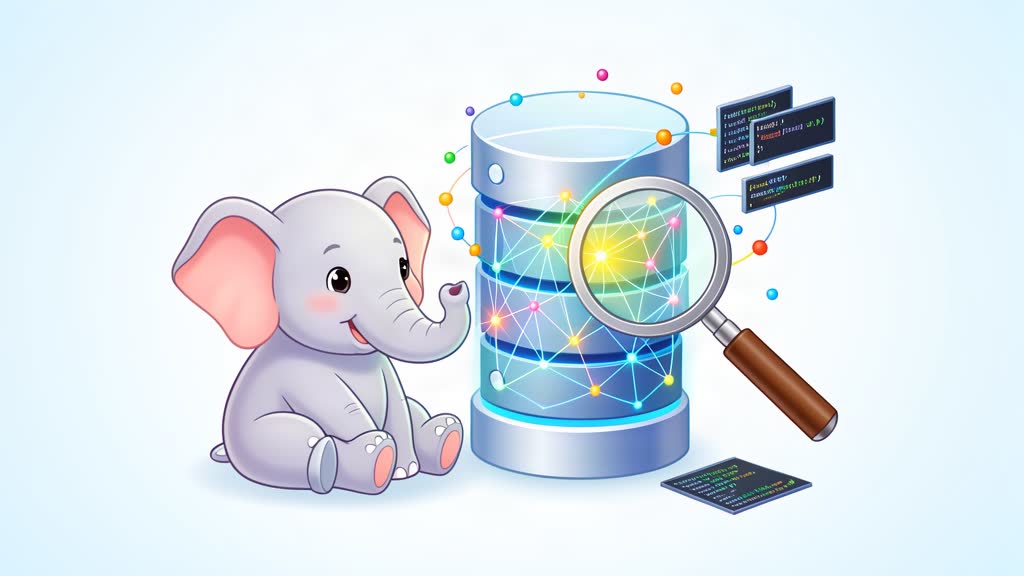
pgvector adds vector search to PostgreSQL and is a strong fit when you want retrieval close to your existing data.