
01
find the real cause behind recurring technical problems
Software architect and technical consultant
I help engineering leaders and teams turn hard architecture, integration, and data/AI decisions into practical systems they can deliver and operate with confidence.
No pitch — just a direct technical review of your architecture and bottlenecks.
Common signals
The fix is rarely “more code”. It is usually better structure, clearer ownership, and fewer accidental dependencies.

Goran Štimac
Software architect and technical consultant
How I help
I work as an external architect and technical consultant when the system is hard to trust, change, or scale.
01
find the real cause behind recurring technical problems
02
simplify architecture before adding more tools
03
connect systems, data, and automation around how the business works
The goal is not more activity. The goal is a system the team can understand, operate, and improve.
What I Do
The strongest fit is architecture, integrations, automation, data and AI workflows, and ongoing technical direction.
Technical clarity before you waste capital on a rebuild.
What I deliver
Connect systems cleanly so data moves reliably without manual effort.
What I deliver
Turn unstructured data into practical, automated internal tools.
What I deliver
What you get
You get clearer direction, fewer fragile edges, and help from someone used to complex environments.
Results
01
A clearer technical direction for the next move
02
Fewer fragile integrations and operational surprises
03
Less complexity for the team to carry
Why me
01
20+ years of hands-on engineering experience
02
Experience with complex systems in large-scale environments
03
Independent recommendations based on fit, evidence, and trade-offs
Process
Understand the problem, choose the right move, and act on a plan the team can use.
01
We look at what is happening, what is breaking, and where the business feels the cost.
02
I recommend the simplest workable path, the changes to avoid, and where effort is best spent.
03
You get a practical next step that reduces risk and keeps the work aligned with business goals.
Blog
Explore practical notes across the three pillars behind my work: architecture and strategy, integrations and automation, and data and AI workflows.
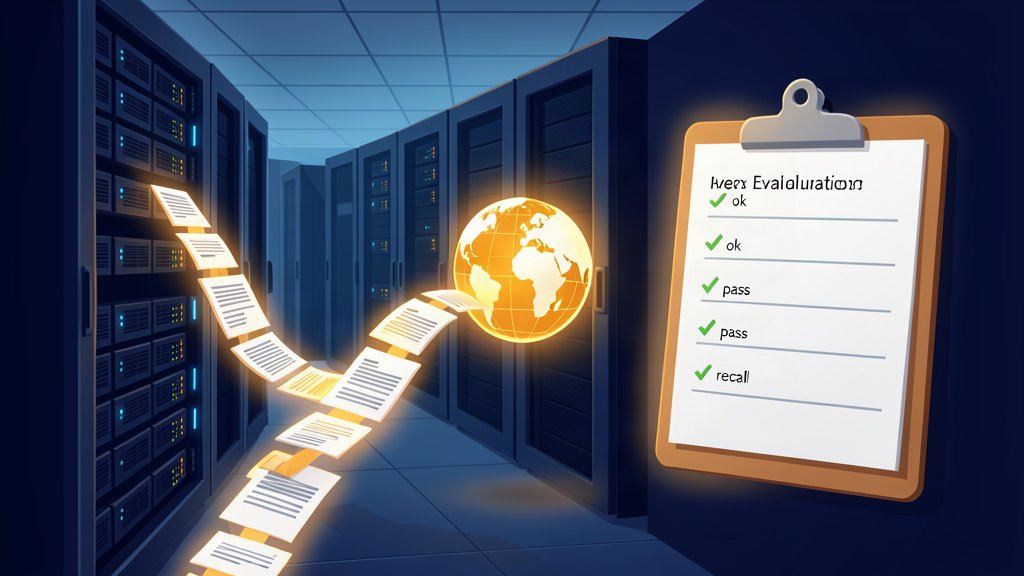
Retrieval & Vector Search
A practical production guide to RAG: combine sparse and dense retrieval, rerank deliberately, build evaluation gates, and decide honestly whether GraphRAG earns its complexity.
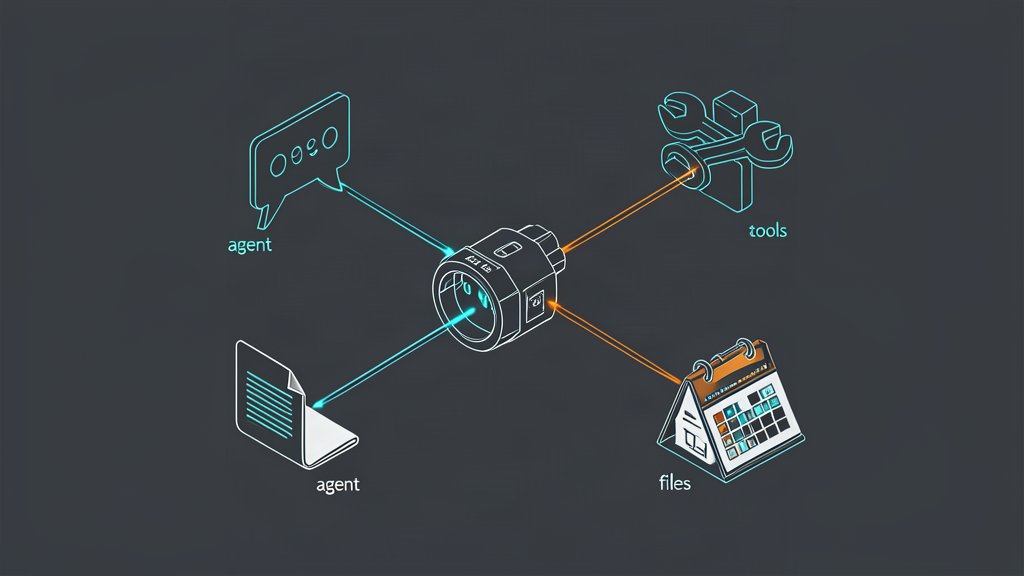
AI Agents & LLM Apps
What MCP's 2026-07-28 stateless protocol core changes for agent systems: load balancing, session handling, transports, external state, and migration work.

Security & Privacy
How small teams turn generated SBOMs into release gates that change what ships: consumption checks in CI, one canonical format, exploitability-aware triage, and expiring exceptions with retained evidence.

Linux & Server Administration
A hands-on cron-to-systemd-timer migration tutorial: writing a reliable .timer/.service pair, translating schedules and their traps, tightening privileges, verifying runs, and rolling back safely.

Infrastructure & DevOps
An opinionated, practical stack of cloud cost guardrails for small teams: resource ownership, provider budgets and anomaly alerts, creation-time controls, and an alert response path with named owners and expiring exceptions.
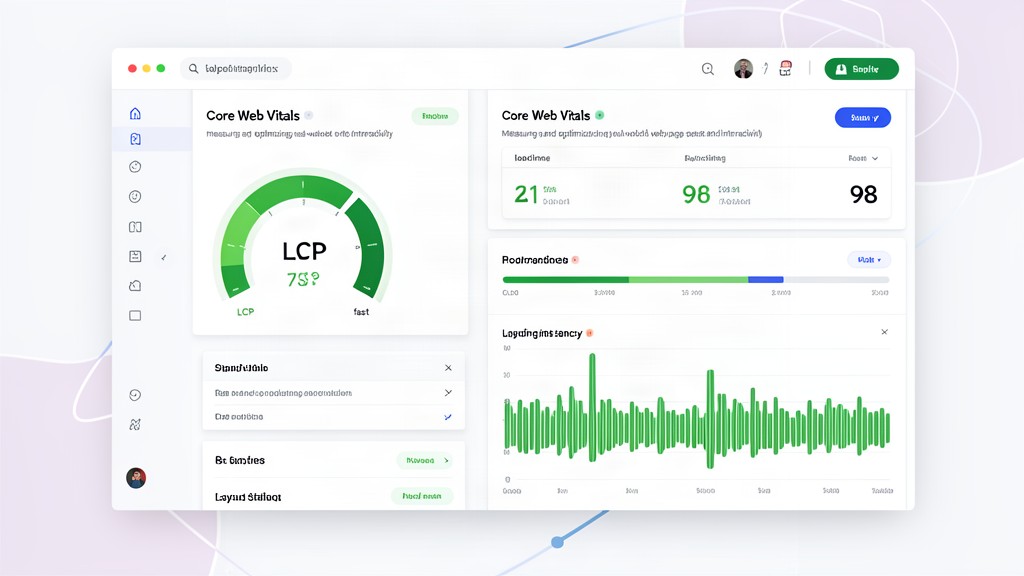
Marketing & SEO
A practical 2026 Core Web Vitals guide covering the LCP, INP, and CLS failures that still cost real sites field performance, plus fixes you can measure.
Free discovery call
I can help you review the current setup, decide what to fix first, and create a practical path forward.