 Goran Štimac
Declarative Containers with systemd and Podman Quadlet
Quadlet turns simple .container files into real systemd units. Write intent, not generated boilerplate, and let Podman’s generator keep services current after every daemon-reload.
Category
25 matching blog articles. Articles on Debian, Ubuntu, permissions, limits, packages, and terminal operations.
Category wiki
Definition
Practical Linux administration notes for keeping servers healthy and usable.
What belongs here
Articles land in Linux & Server Administration when the main subject is linux tuning, terminal workflows, package management, and system-level fixes..
How to read it
Treat this category as the broad lane first, then use tags to narrow that subject down to the concrete technologies, platforms, or patterns used inside it.
Common tags in this category
Quadlet turns simple .container files into real systemd units. Write intent, not generated boilerplate, and let Podman’s generator keep services current after every daemon-reload.
Build a dependable Nginx edge with reverse proxying, upstream health, cache revalidation and invalidation, TLS, security headers, and useful observability.

A practical commentary on You Suck at Programming's complete Bash course, connecting shell fundamentals with safer server automation, testing, and repeatable operations.
A practical, measurement-first guide to tuning Linux web servers: baseline analysis, Nginx workers and connection limits, file descriptors, PHP-FPM pools, caching, benchmarking, and safe rollback — without blindly copying sysctl values.

restic 0.19 and Borg 1.4 are mature choices for encrypted, deduplicated Linux backups in 2026. Compare retention, off-site copies, immutability and restore testing.

LVM, Btrfs, and ZFS compared for 2026: snapshots, RAID, checksums, resizing, send/receive, memory needs, licensing, and recovery, with safe commands and a decision framework.

Alpine is the default small container base, but musl compatibility, BusyBox limits, and scanner caveats matter in production. A balanced guide with measured sizes, Dockerfile examples, and a decision guide.
Four AI tools that work today for Linux server administration: Warp, K8sGPT, ShellAI, and n8n MCP. Includes production safety rules, air-gapped Ollama setup, and workflows for log parsing, config diff, and cron audit.

Used office PCs, Ryzen Pro APUs, ECC trade-offs, Intel 7th-gen, and power draw — the practical home-server choices that still make sense.

Troubleshoot and fix Podman container DNS resolution failures on Debian 13. Learn how to diagnose systemd-resolved conflicts, install missing networking tools, configure aardvark-dns, and restore reliable DNS in your containers.

Podman becomes especially practical when you use it for rootless containers, explicit service management, and small workloads that do not need heavy orchestration.
Use modern Git credential managers, personal access tokens, and SSH keys instead of storing passwords in plain text.

A practical checklist for deploying a static Astro site with Nginx on Ubuntu 24.04, including caching, permissions, and asset handling.

Add a user to the www-data group on Ubuntu or Debian so Apache-served files can be managed with the right permissions.

Practical guide to changing Apache MPM directives on Ubuntu and CentOS so tuning decisions turn into actual server configuration.

Remove unwanted styles when pasting from Word or Google Docs into a CMS so content matches the editor, theme, and site formatting.

Choose the right image format, dimensions, and compression settings before uploading to a CMS so pages stay sharp, fast, and easier to manage.

PhpMyAdmin je besplatan softverski alat napisan u PHP-u, namijenjen upravljanju MySQL-om preko interneta.
LAMP is an archetypal model of a set of web services, named as an abbreviation of the names of its original four open components: the Linux operating system, the Apache HTTP server, the MySQL relational database management system (RDBMS), and the PHP programming language.

Download and install Google Fonts on Ubuntu or Debian so they are available system-wide to desktop apps and design tools.
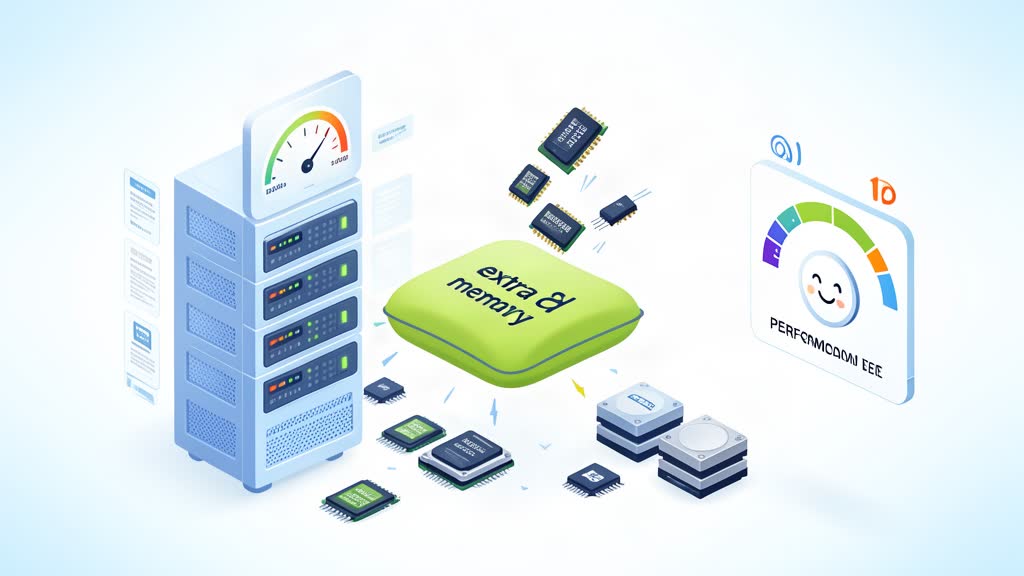
Step-by-step guide to creating and enabling swap space on Ubuntu or Debian when a server needs more virtual memory.

Create a MySQL user and grant database permissions in AWS RDS from the Linux command line.

Use two simple wp-config.php settings to harden WordPress admin access and reduce risky file changes on production sites.
Enable Apache mod_rewrite on Ubuntu or Debian so applications and .htaccess rules can handle clean URLs and redirects.

Useful mysqldump, mysql, and mysqlimport commands for backing up and restoring MySQL databases from the Linux terminal.