 Goran Štimac
The Complete Bash Scripting Course
A practical commentary on You Suck at Programming's complete Bash course, connecting shell fundamentals with safer server automation, testing, and repeatable operations.
Tag
22 matching blog articles with repeat coverage under this topic.
Tag wiki
Definition
Automation uses tools and scripting to execute repetitive tasks without manual intervention, freeing humans to focus on higher-value work.
Why it matters
It matters when reducing manual toil and human error improves reliability, consistency, and delivery velocity.
In this archive
In this archive automation shows up in deployment pipelines, workflow orchestration, scheduling, event-driven systems, and decisions about what to automate. It currently appears in 22 articles and crosses 6 categories.
Nearest categories
Linux & Server Administration , Automation & Integrations , Updates & Announcements , AI Agents & LLM Apps
Reference
Often appears with
A practical commentary on You Suck at Programming's complete Bash course, connecting shell fundamentals with safer server automation, testing, and repeatable operations.
Infrastructure drift is the gap between declared and live state. See how IaC and GitOps tooling detects differences, applies policy, and keeps remediation reviewable.
The classic main-vs-develop Gitflow model is now legacy. GitHub Flow, GitLab Flow, and trunk-based development are simpler alternatives, backed by DORA data and branch automation.
GitHub Actions in 2026 sees hosted runner prices cut 39%, parallel steps GA, the new Runner Scale Set Client for custom autoscaling, and stronger security controls — making the hosted versus self-hosted runner decision more nuanced than ever.
Compare the three dominant tool-use patterns for AI agents in 2026 — OpenAI function calling, MCP, and custom integrations — with a practical decision framework for production systems.
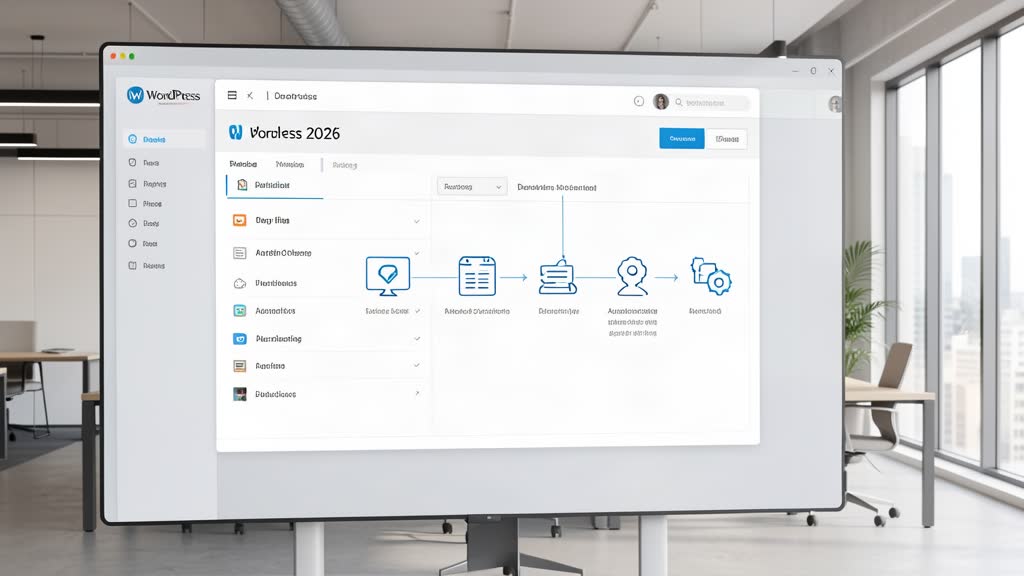
WordPress still matters in 2026, but only when it is treated as a managed publishing system with clear workflows, security discipline, and automation.

Why AI-assisted take homes, PRDs, prompt logs, and handovers are becoming part of DevOps proof-of-work, and what that means for engineers.
A practical breakdown of what AI agents are, how context windows, skills, and MCP fit together, and what DevOps teams should learn from the video.

n8n is becoming the go-to platform for AI-powered business automation. Here is what the latest comprehensive course teaches, and why it matters for teams that want practical automation without vendor lock-in.

Cloudflare’s 2026 announcements show the edge becoming a runtime for agent workflows, with more focus on isolation, speed, and safer automation.
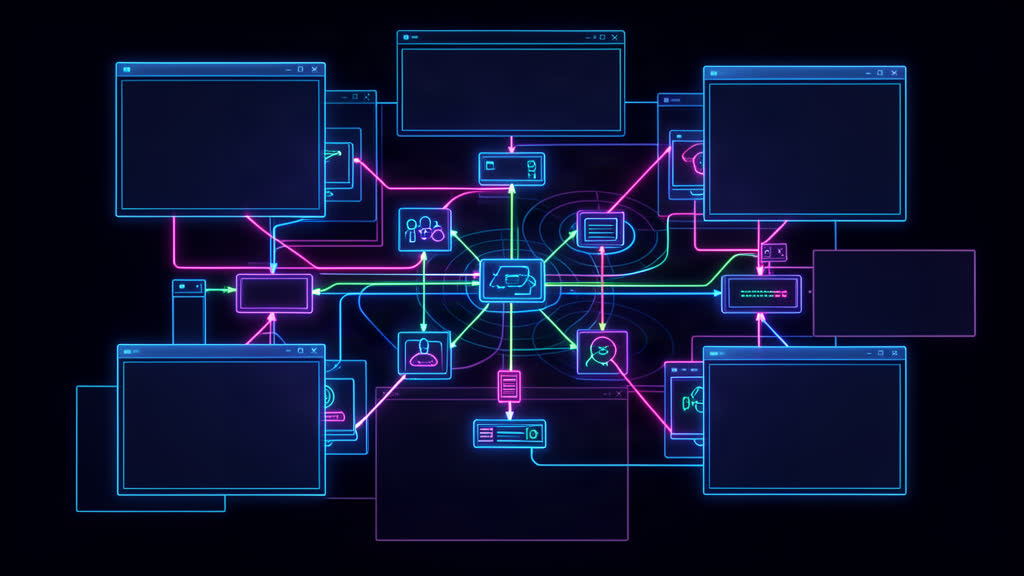
AI agents are moving from demos to production workflows, and MCP plus newer SDK features are making the connector layer and runtime rules more important.
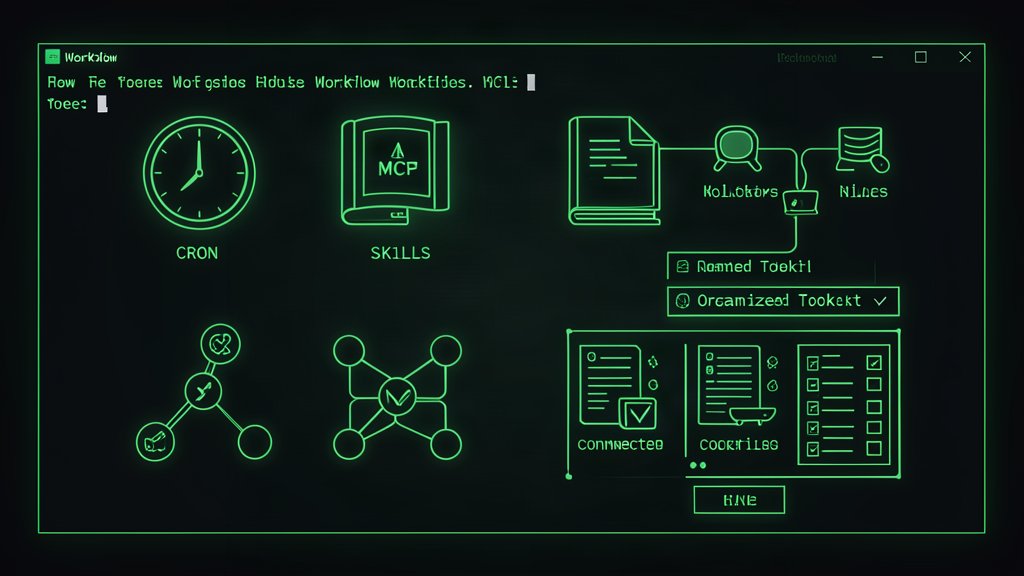
Hermes is not a replacement for deterministic workflow tools, but it is a strong layer for flexible tasks that need judgment, tools, memory, and scheduled execution.
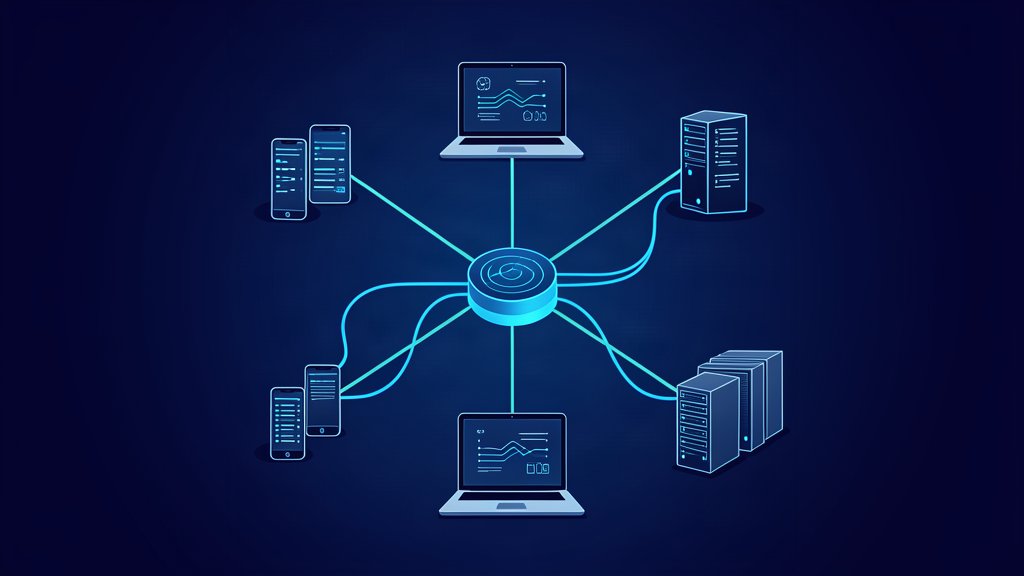
Hermes becomes more useful when it is treated as an automation layer that lives across chat platforms, scheduled jobs, and remote machines.
The Pi package ecosystem matters because it turns a minimal terminal coding harness into something much closer to a personal agent toolchain.
Copilot's current agent features matter less as AI novelty and more as workflow controls around sessions, skills, and model choice.
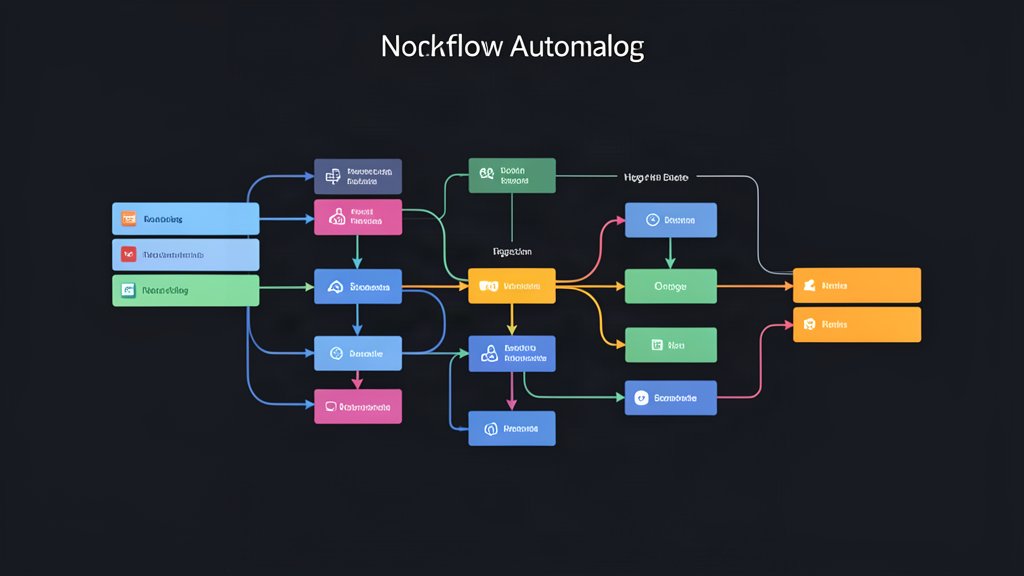
Notion API and n8n are a strong low-code pair when a team wants structured content, simple workflows, and less manual copy-paste work.
n8n, Zapier, and Make each fit a different automation style, so the best choice depends on control, speed, and maintenance.

Temporal, RabbitMQ, and Kafka solve different automation problems, and they belong in different parts of the stack.
Cloudflare Registrar API beta lets builders search, check, and register domains from the same workflow they already use.
Browser Run turns Cloudflare’s browser tooling into something more useful for agent workflows, testing, and review loops.

Prefect and Polars are worth it when a data workflow has retries, dependencies, and analysis work that should not live in a cron script.
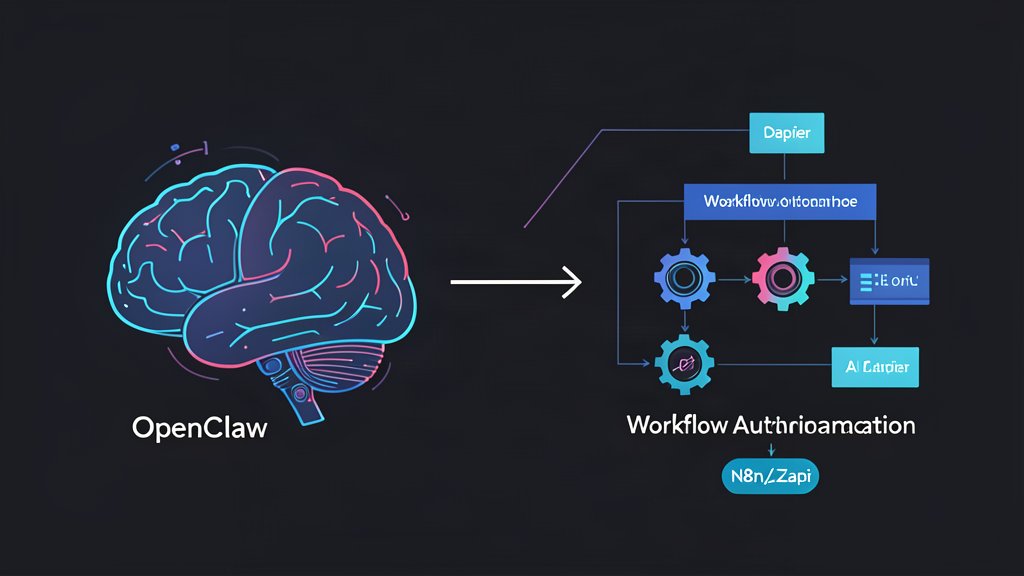
OpenClaw and tools like n8n or Zapier solve related but different problems: OpenClaw is agentic and chat-first, while workflow tools are deterministic and trigger-driven.