
Modern CSS: Container Queries, View Transitions, and :has()
Container queries, the View Transitions API, and :has() crossed into Baseline between 2023 and 2026. What is safe to adopt now, and the one caveat that remains.
Category
33 matching blog articles. Updates, announcements, and release-level changes with practical impact on architecture and operations.
Category wiki
Definition
Recent updates and announcements about the tools and platforms shaping the site.
What belongs here
Articles land in Updates & Announcements when the main subject is release notes, vendor updates, and news-style posts that affect the stack..
How to read it
Treat this category as the broad lane first, then use tags to narrow that subject down to the concrete technologies, platforms, or patterns used inside it.
Common tags in this category
Container queries, the View Transitions API, and :has() crossed into Baseline between 2023 and 2026. What is safe to adopt now, and the one caveat that remains.
DNSSEC authenticates DNS data, CAA records constrain certificate issuance, and layered DDoS protection keeps DNS and applications available — plus the 11 October 2026 root KSK rollover deadline every resolver operator should check.
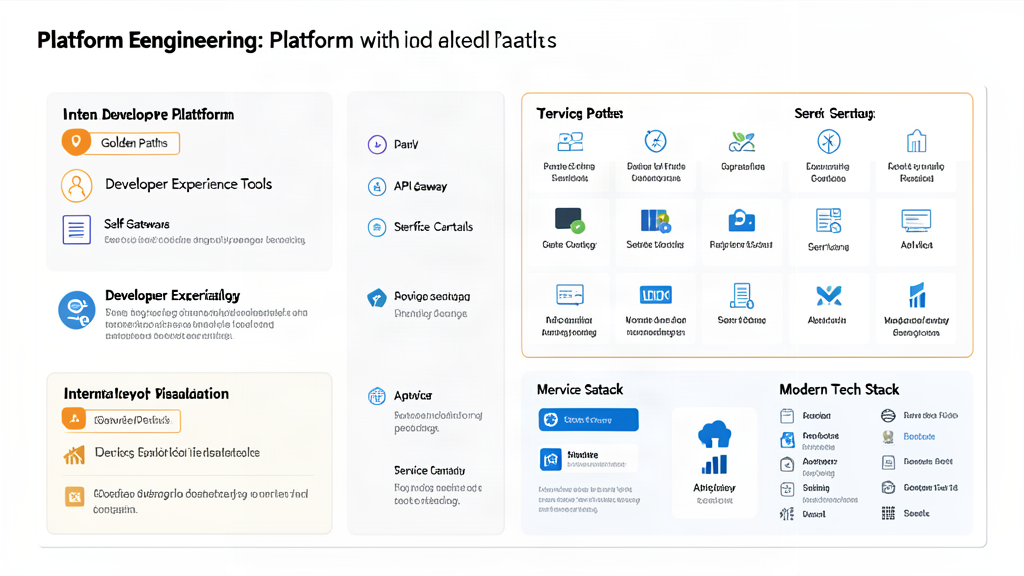
A practical guide to internal developer platforms: the problem an IDP solves, platform-as-a-product principles, golden paths, self-service, tooling without lock-in, security guardrails, DX metrics, an adoption roadmap, and common pitfalls.
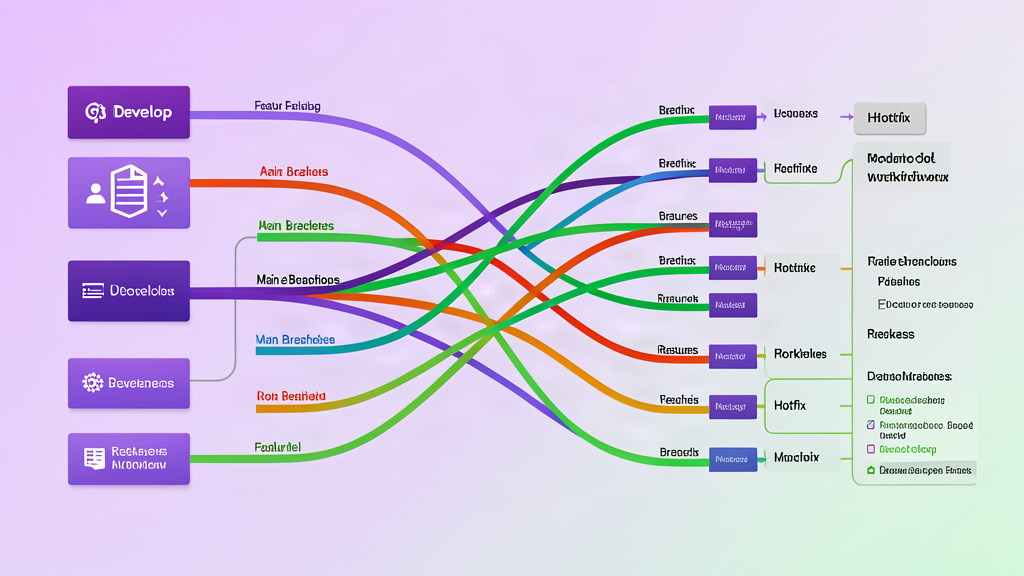
The classic main-vs-develop Gitflow model is now legacy. GitHub Flow, GitLab Flow, and trunk-based development are simpler alternatives, backed by DORA data and branch automation.
WASI 0.3 and WebAssembly 3.0 made server-side Wasm practical. Where it is genuinely useful in 2026, which platforms run it, and where the hype ends.
Zero trust is now practical for small teams. NIST and NSA published phased 2025–2026 guidance; the on-ramp is MFA, identity-based access, and WireGuard as transport.
Beyond updates and strong passwords: least privilege, service minimization, firewalling, auditing, and AppArmor — the practical hardening layers that protect a Linux server.
CISA, NIST, Google SRE, AWS, Microsoft, and PagerDuty all converge on the same lightweight incident-response playbook structure. Here is what every production team needs to include — and where to start.
Astro's server islands let content sites add dynamic components to otherwise static pages without abandoning CDN caching. What they are, when they make sense, and what an adapter changes.
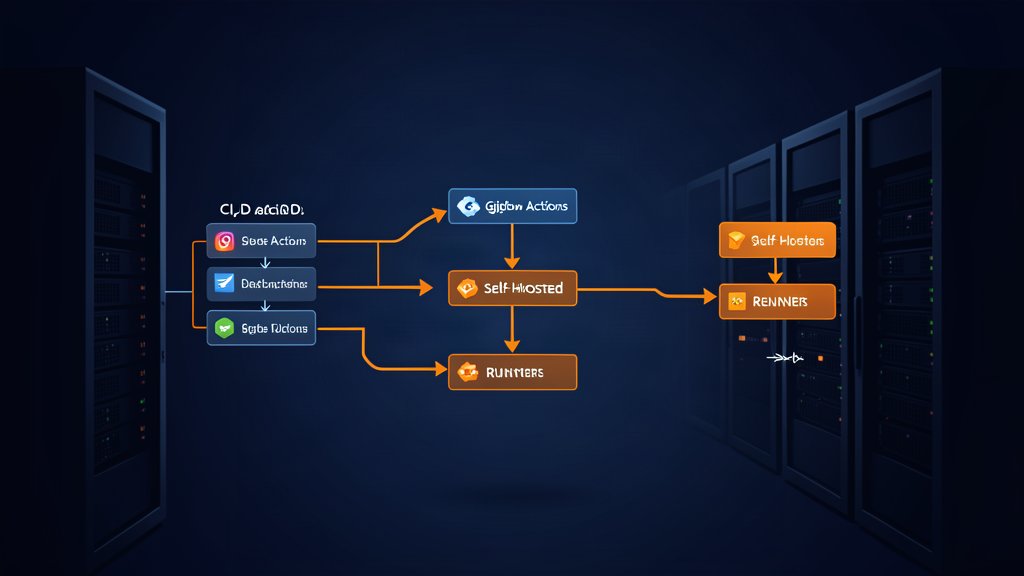
GitHub Actions in 2026 sees hosted runner prices cut 39%, parallel steps GA, the new Runner Scale Set Client for custom autoscaling, and stronger security controls — making the hosted versus self-hosted runner decision more nuanced than ever.

Singapore CSA updates the Cybersecurity Code of Practice for CII operators with three proactive defense pillars, executive accountability mandates, Cyber Trust Mark Level 5, and a new CCoP for Cloud Services — with AWS, Google Cloud, and Azure Companion Guides.
Four systemd releases in nine months brought cgroup v1 removal, SysV init script deprecation, persistent journal defaults, nftables-only NAT, and higher minimum dependencies. What Linux server admins need to know.
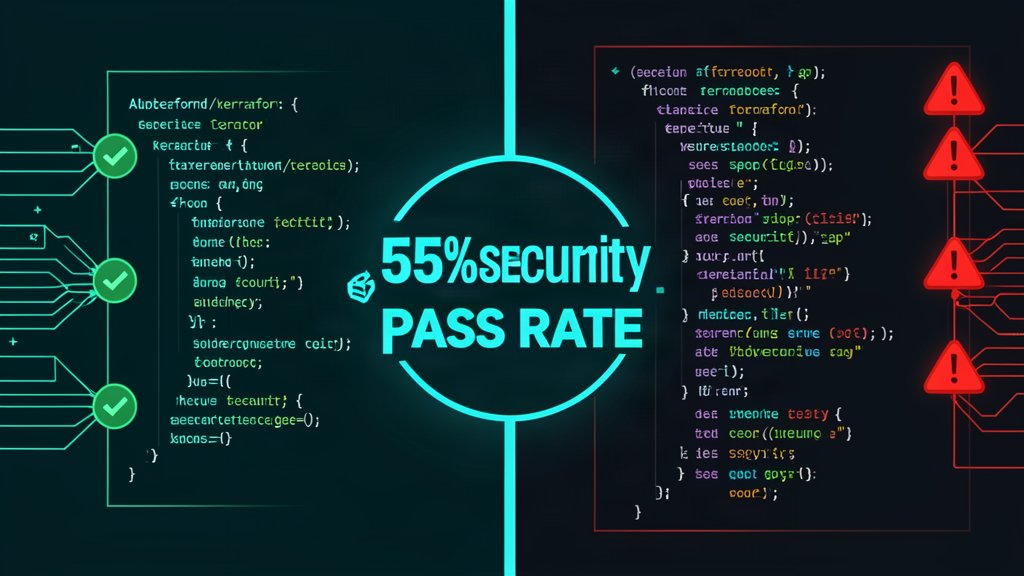
DevOps teams using AI to write Terraform and Kubernetes config face a hard truth: only 55% of AI-generated code is secure. Here's what platform teams must do about it.
Anaconda acquires Kilo Code, the open-source AI coding agent used by 3M+ developers. The acquisition creates an end-to-end enterprise AI pipeline from first prompt to production.

NVIDIA's Spectrum-6 Ethernet switch delivers 102.4 Tbps — doubling the previous generation — designed for 100K+ GPU clusters. Part of the Vera Rubin platform, it transforms networking from bottleneck to enabler for gigascale AI.
Cloudflare launches Precursor — a one-click continuous behavioral validation engine that replaces CAPTCHAs with real-time session-wide analysis. 57% of web traffic is now automated.
OpenAI ships GPT-5.6 as a three-tier model family — Sol, Terra, Luna — with 1M token context, native multi-agent orchestration, and breakthrough cost efficiency. The era of one-model-fits-all is over.
Meta launches its first paid model API with Muse Spark 1.1 — a multimodal reasoning model with 1M token context, multi-agent orchestration, and computer-use capabilities. Meta finally competes for developer mindshare.

The European Commission's July 2026 Action Plan on Cybersecurity and AI bridges the AI Act with existing frameworks including NIS2 and the Cyber Resilience Act.

Microsoft commits $2.5B to Frontier Co. with 6,000 embedded AI engineers; AWS follows with $1B. Enterprise AI adoption shifts from model selection to organisational integration.
Drupal 11.4.0 ships July 1, 2026, with 3x faster page generation using 1/3 the database and cache lookups. Drupal AI 1.4.0 ships alongside.
Claude Sonnet 5 delivers near-Opus agentic capabilities — autonomous browser and terminal tool use, planning, and self-checking — at introductory pricing of $2/$10 per MTok. The most affordable Sonnet yet.

OpenAI unveils Jalapeño, its first custom AI accelerator co-designed with Broadcom — achieving a nine-month tape-out, 'substantially better' performance-per-watt, and a multi-generation roadmap toward gigawatt-scale data centers.

Open-weight 30-35B MoE models now deliver viable local alternatives to proprietary coding agents. Cohere North Mini Code and Qwen3-Coder lead the charge on consumer hardware.

GitHub Copilot moves to usage-based AI Credits billing from June 2026. What changes, what stays free, and how to budget for agentic coding sessions.

June 2026 marked a shift from ransomware to pure data-theft extortion. Breaches at One Medical, NAIC, and Novo Nordisk show that encryption is no longer the weapon — data exfiltration is.

SpaceXAI (formerly xAI) launches Grok 4.5 — its strongest coding model yet — alongside the closed $60B Cursor acquisition. With 80 tok/s speeds and 4.2x fewer output tokens than Opus 4.8, this is SpaceXAI's first real enterprise play.

Cloudflare acquires VoidZero, the company behind Vite, and pledges $1 million to an independent ecosystem fund. With 84 million weekly npm downloads and 98% developer satisfaction, Vite has won the build tool war.

The 'DevOps engineer' role is being replaced by dedicated platform engineering teams building Internal Developer Platforms. Here is what changed, why it matters, and what tools define the new landscape.

The Temporal API officially ships in ES2026 — a complete replacement for JavaScript's broken Date object after nine years of development. What Temporal is, why it took so long, and how to start using it today.
Apple extends Private Cloud Compute to Google Cloud with NVIDIA GPUs, using three-layer hardware trust and a verifiable transparency ledger. A new benchmark for confidential computing at hyperscale.
Cloudflare Registrar API beta lets builders search, check, and register domains from the same workflow they already use.

Recent LangChain releases make agent projects easier to control with better structured output, built-in tools, retries, and model capability metadata.