
Modern CSS: Container Queries, View Transitions, and :has()
Container queries, the View Transitions API, and :has() crossed into Baseline between 2023 and 2026. What is safe to adopt now, and the one caveat that remains.
Tag
8 matching blog articles with repeat coverage under this topic.
Tag wiki
Definition
Frontend is the user-facing client code (HTML, CSS, JavaScript) that runs in browsers and provides the interface people interact with.
Why it matters
It matters because frontend quality directly affects user experience, performance, and how accessible the application is.
In this archive
Here frontend covers frameworks, component architecture, state management, styling, responsive design, and decisions about what runs client-side. It currently appears in 8 articles and crosses 4 categories.
Nearest categories
Updates & Announcements , Web Development , CMS & Content Systems , Automation & Integrations
Reference
Often appears with
Container queries, the View Transitions API, and :has() crossed into Baseline between 2023 and 2026. What is safe to adopt now, and the one caveat that remains.
TypeScript and Node.js are changing quickly in 2026, and the real impact often lands in scripts, build steps, and content tooling before it reaches the UI.

Magnolia and Alpine.js can complement each other when a team needs strong governance and compliance on the CMS side while keeping the frontend interaction layer intentionally small.

A Magnolia migration goes better when the team treats authoring flows, approvals, content structure, and external dependencies as first-class migration scope instead of backend details.
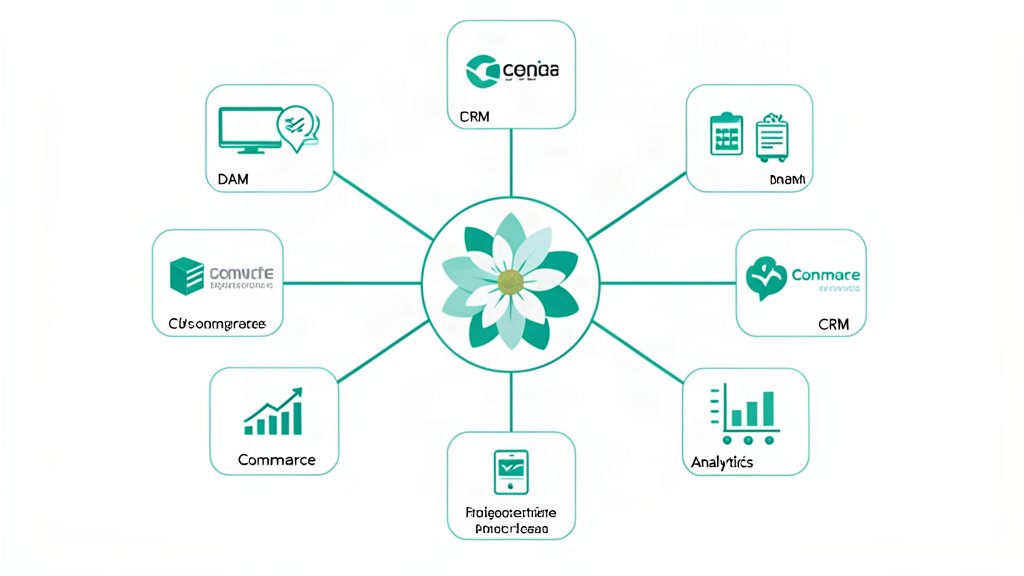
Magnolia's integration framework becomes valuable when teams need DAM, commerce, CRM, analytics, and optimization systems to feel like part of one publishing platform instead of a pile of custom glue code.
Alpine.js is useful on Magnolia-driven pages when the goal is to add filters, dropdowns, tabs, and small form behavior without overbuilding the frontend.
Magnolia and Alpine.js can work well together when a team wants editable, API-driven content delivery without turning every frontend interaction into a framework-heavy application.
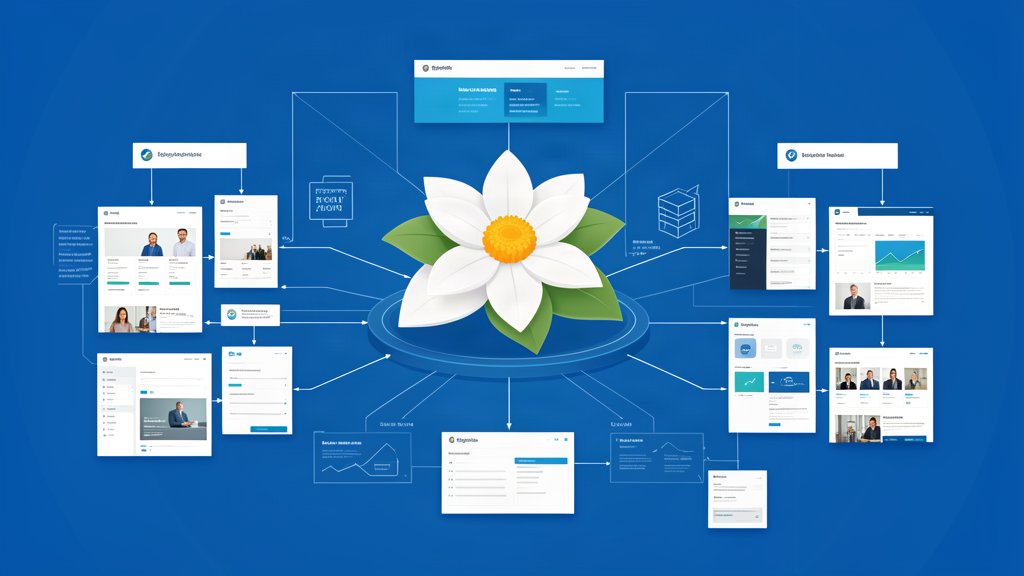
Magnolia CMS makes most sense when teams need enterprise authoring, reusable content models, and integration-heavy delivery across sites, portals, and apps.