
Modern CSS You Can Actually Ship in 2026
A production-safety guide to modern CSS in 2026: where :has() and container queries are ready, and where view transitions or masonry still need graceful fallbacks.
Category
21 matching blog articles. Frontend and browser-oriented implementation content covering performance and accessibility.
Category wiki
Definition
Hands-on web development notes for building fast and maintainable interfaces.
What belongs here
Articles land in Web Development when the main subject is frontend implementation, browser issues, forms, and accessible web code patterns..
How to read it
Treat this category as the broad lane first, then use tags to narrow that subject down to the concrete technologies, platforms, or patterns used inside it.
Common tags in this category
A production-safety guide to modern CSS in 2026: where :has() and container queries are ready, and where view transitions or masonry still need graceful fallbacks.
Core Web Vitals thresholds stayed the same in 2026, but Chrome 151 finally gave SPAs better measurement support. Focus on field data, not lab scores.

TypeScript 6.0 prepared the ecosystem for a faster Go-based 7.0. Here's what changed, how to upgrade safely, and what web tooling still awaits.

A practical 2026 comparison of Node.js, Bun, and Deno, covering current releases, compatibility, tooling, and how to choose a runtime.
TypeScript and Node.js are changing quickly in 2026, and the real impact often lands in scripts, build steps, and content tooling before it reaches the UI.
Playwright and GitHub Actions make a strong QA pair when the website needs repeatable checks before changes reach production.
The fastest way to find API problems is to design and test the contract before the backend is finished.
FastAPI, Django, and Express solve different API problems, so the right choice depends on speed, structure, and team workflow.
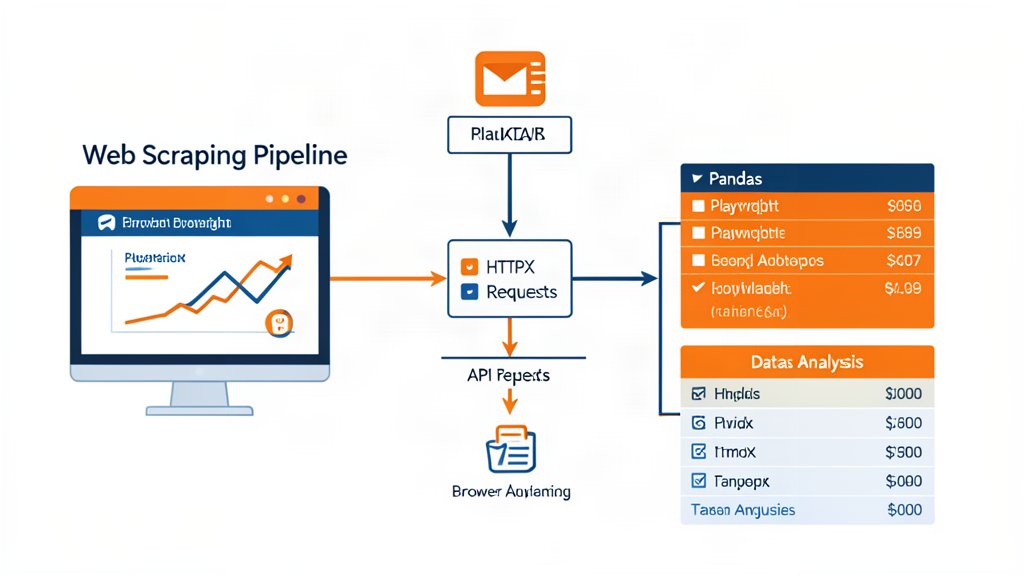
Playwright, HTTPX, and Pandas form a practical scraping pipeline when the data source needs both browser automation and clean analysis.
Tailwind CSS v4.0 reshaped the framework with a new configuration model, better performance, and a cleaner customization story.
Tailwind CSS v4.1 adds text shadows, masks, and more support for richer interfaces without abandoning utility-first discipline.

A current web development roadmap for 2026 that focuses on fundamentals, modern tooling, performance, and maintainability.
Long code blocks should scroll inside the block on mobile instead of forcing the whole page to overflow horizontally.

Options for pausing a WooCommerce store when you need maintenance time without permanently removing products or breaking checkout recovery.

For the longest time, the average person could only ever dream of developing their app. Today, you can create your app without having to write even a single line of code.

Push notifications to your visitors with a toast, a lightweight and easily customizable alert message.
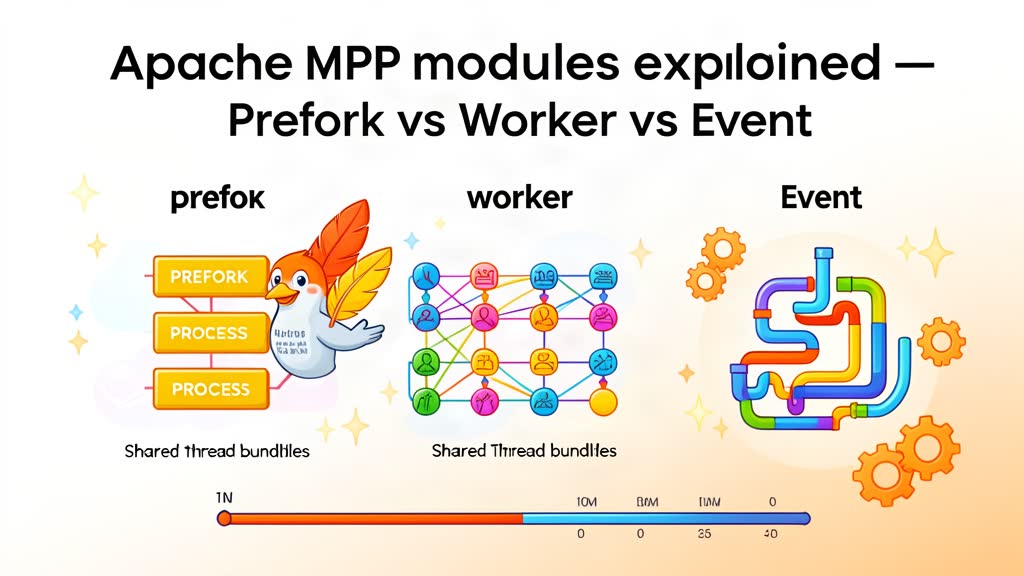
Learn how Apache Prefork, Worker, and Event MPMs differ so you can choose the right process model for performance and stability.

Understand the Apache MPM directives that shape concurrency, memory use, and request handling across Prefork, Worker, and Event.

Use a simple WooCommerce hook to remove cross-sells from the cart page without editing every product individually.
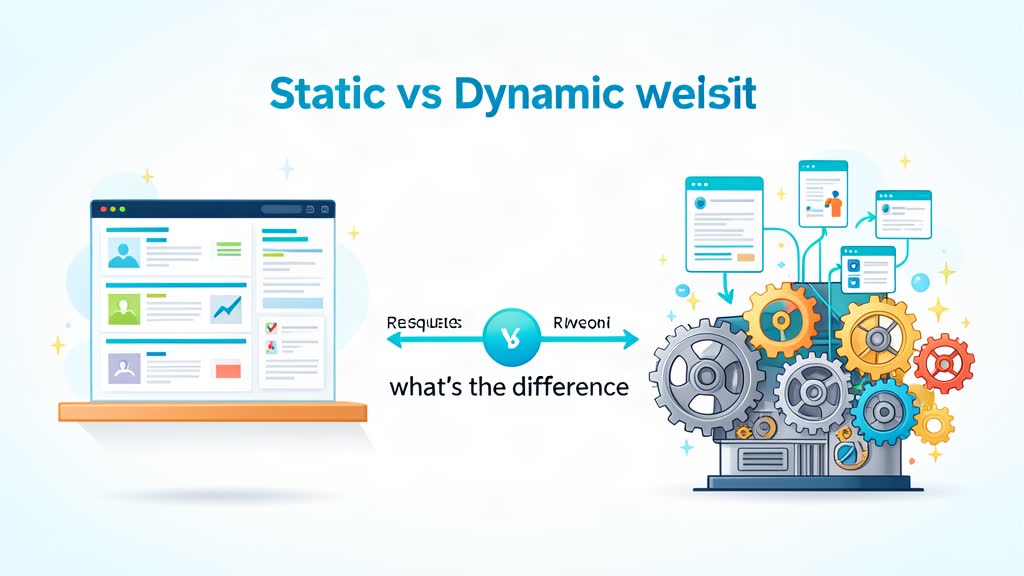
Compare static and dynamic websites to understand the tradeoffs in speed, flexibility, maintenance, and which model fits your project.
Resolve font-loading CORS errors by adding the right Apache headers when assets are served through a CDN or separate domain.