 Goran Štimac
Astro in 2026: why content sites still benefit from the framework’s latest releases
Astro keeps proving that content sites can stay fast, structured, and maintainable without turning every page into a JavaScript app.
Tag
28 matching blog articles with repeat coverage under this topic.
Tag wiki
Definition
Content refers to the planning, creation, and management of information published on a site or platform.
Why it matters
It matters when publishing quality, structure, and intent matching drive results.
In this archive
In this archive content appears in publishing workflows, CMS decisions, and information architecture. It currently appears in 28 articles and crosses 8 categories.
Nearest categories
Static Sites & Astro , Linux & Server Administration , Infrastructure & DevOps , CMS & Content Systems
Reference
Astro keeps proving that content sites can stay fast, structured, and maintainable without turning every page into a JavaScript app.

Troubleshoot and fix Podman container DNS resolution failures on Debian 13. Learn how to diagnose systemd-resolved conflicts, install missing networking tools, configure aardvark-dns, and restore reliable DNS in your containers.

Podman Compose is useful for local multi-service workflows, but the important detail is that podman compose is a thin wrapper around an external Compose provider rather than a separate orchestration layer.

The Docker vs Podman decision is less about ideology and more about which runtime model, security posture, and operational habits fit your team.

Podman is a daemonless container engine with strong rootless support, and that makes it a practical fit for teams that want simpler container operations and tighter Linux integration.

A Magnolia migration goes better when the team treats authoring flows, approvals, content structure, and external dependencies as first-class migration scope instead of backend details.
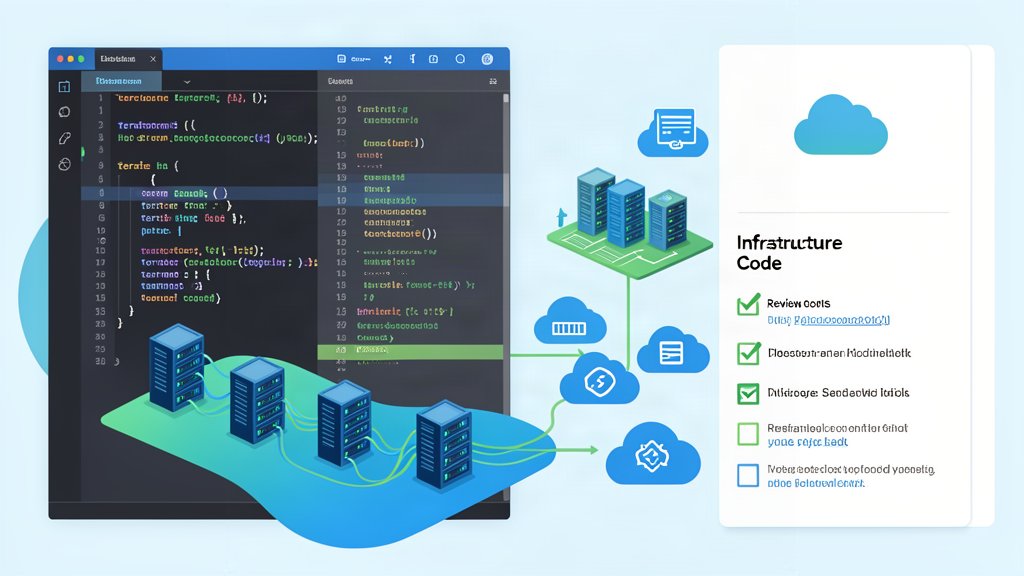
Terraform turns server, DNS, and app infrastructure changes into code that can be reviewed before they reach production.
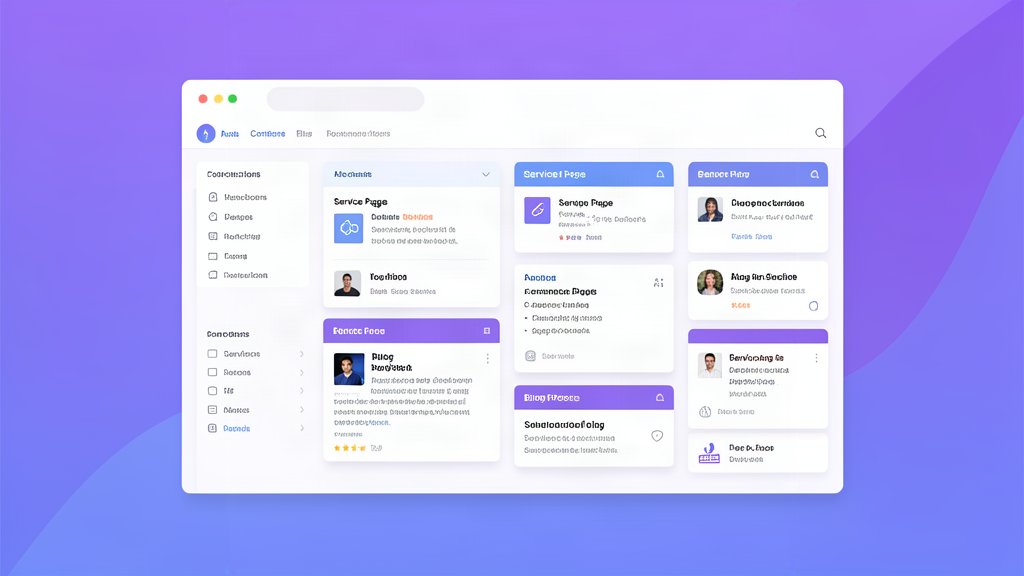
Astro content collections keep service pages, blog posts, and other structured pages aligned without adding CMS complexity too early.
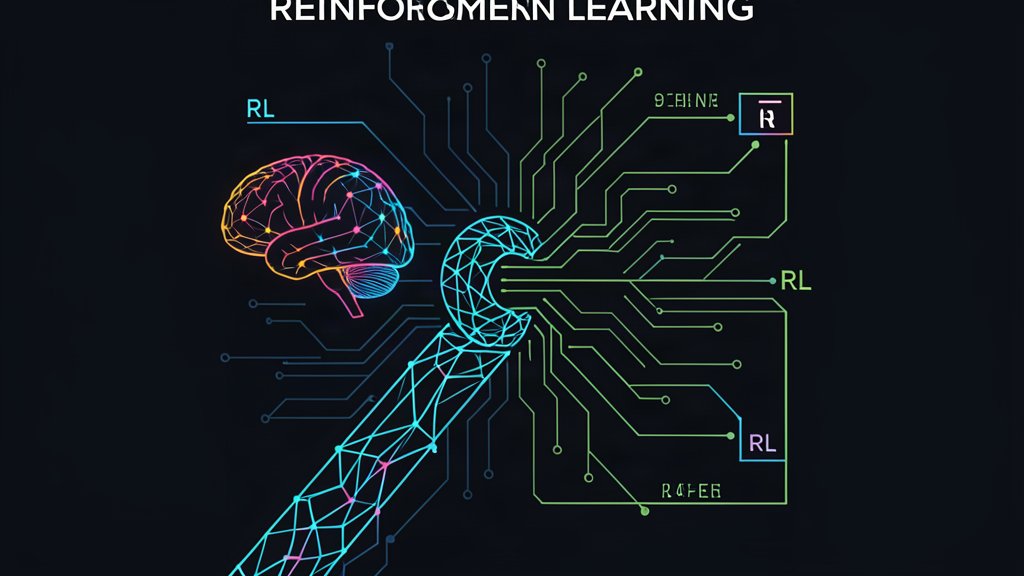
Why Richard Sutton — a father of reinforcement learning — calls current LLMs a 'dead end', and what that means for researchers and practitioners.

Astro content collections are often enough when the content operation needs structure, validation, and performance more than a heavy editorial backend.
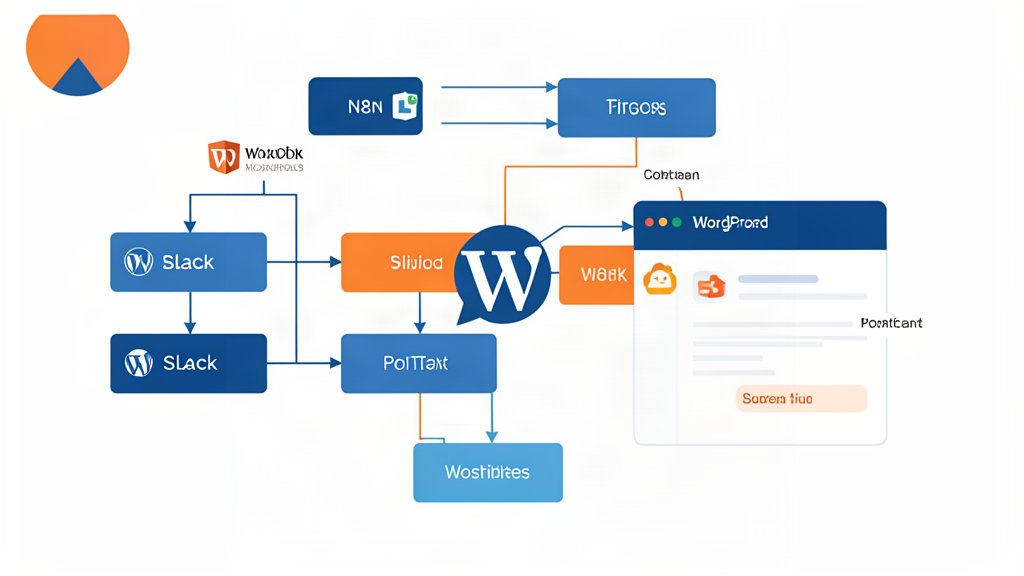
WordPress publishing gets easier when content changes, status updates, and team notifications all travel through one automation layer.

Playwright and GitHub Actions make a strong QA pair when the website needs repeatable checks before changes reach production.
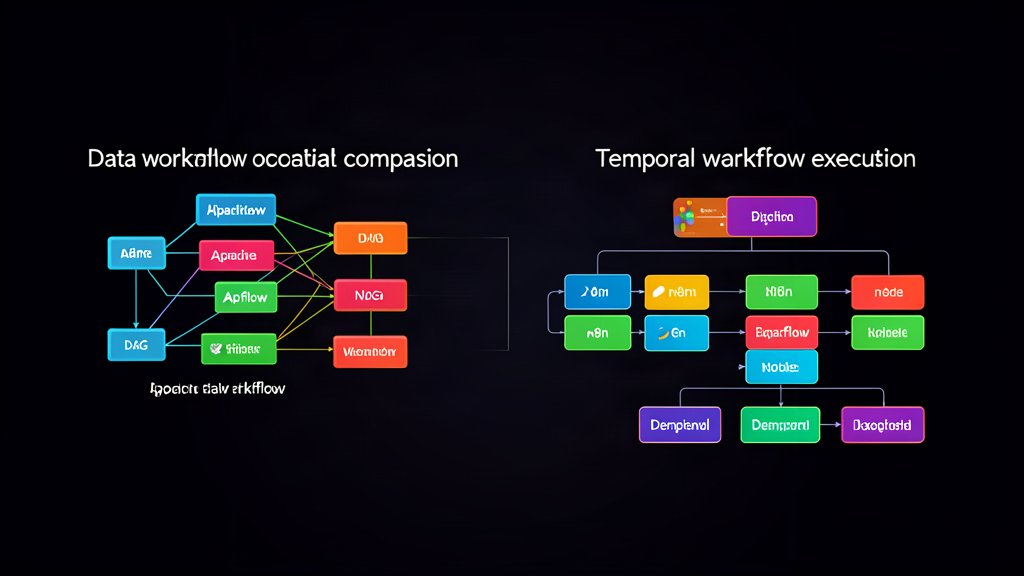
Airflow is the better choice when the work is data-first, scheduled, and built around DAGs, retries, and operator-driven orchestration.

Pipedream, Make, and Retool solve different integration problems, and they work best when the use case is clear from the beginning.
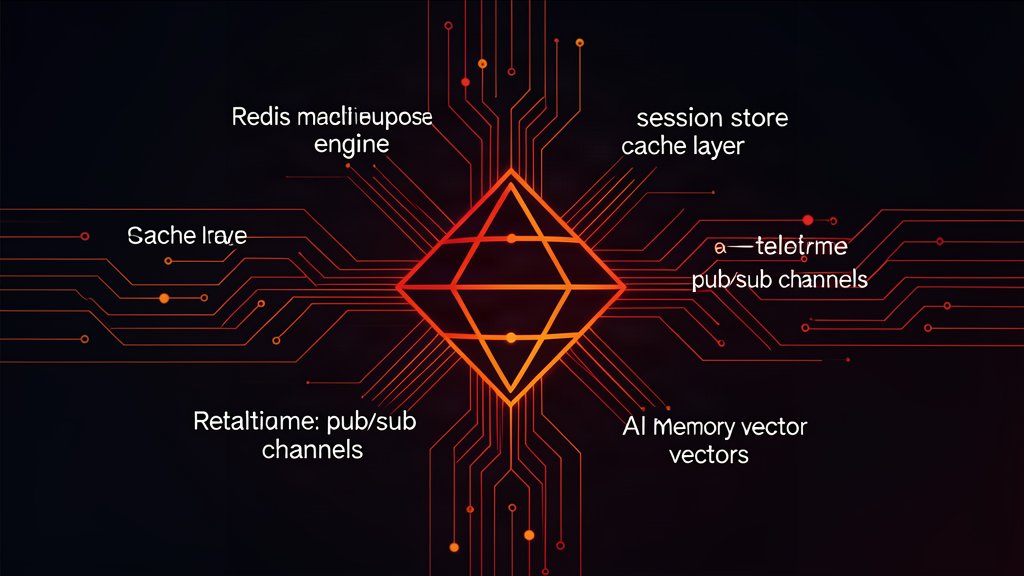
Redis is still the fastest way to add caching and state, but its 2026 value now extends into vectors, AI memory, and streaming.

Firebase and Supabase both speed up app development, but they optimize for different teams, data models, and long-term control.
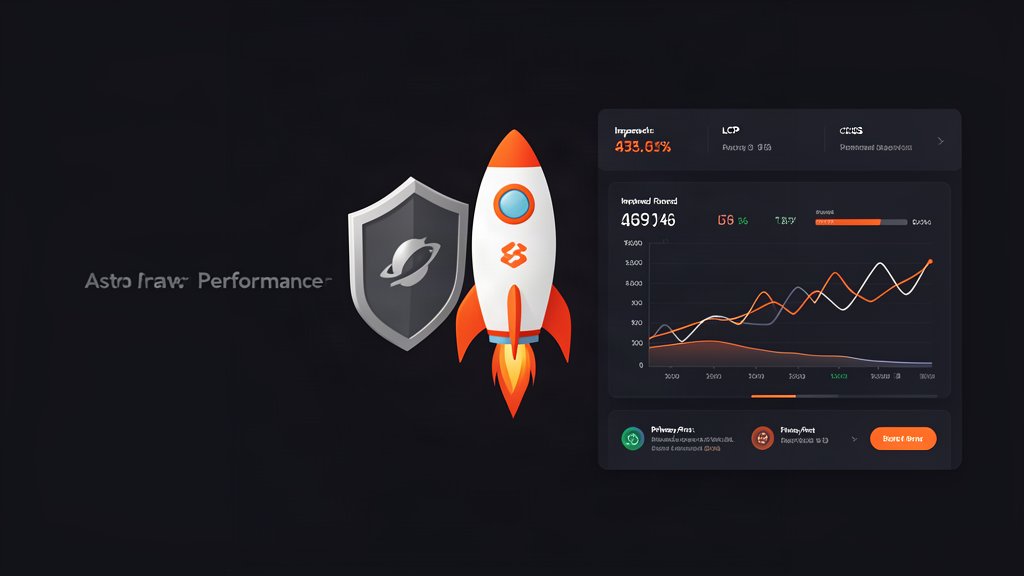
Astro 5.17 adds better image options, partitioned cookies, and a more flexible dev toolbar for practical site work.
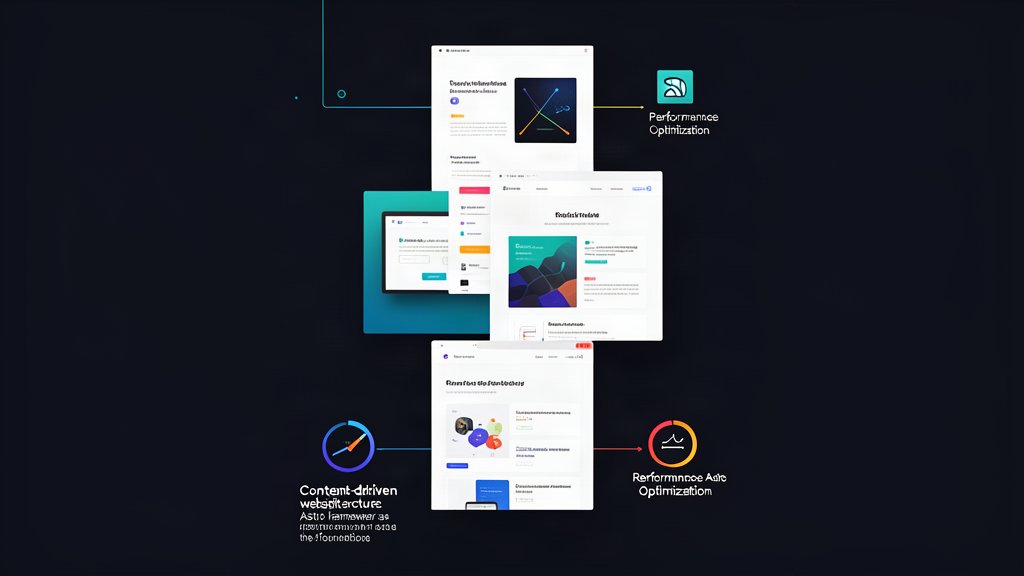
Astro 6.1 tightens image defaults, fallback routing, and content-focused ergonomics for sites that need predictable publishing behavior.
Use modern Git credential managers, personal access tokens, and SSH keys instead of storing passwords in plain text.

If you need lightweight internal apps in 2026, there are better-supported options than starting new work on AWS Honeycode.

pgvector adds vector search to PostgreSQL and is a strong fit when you want retrieval close to your existing data.

Remove all tables from a MySQL database without dropping the database itself or recreating users, permissions, and other objects.

For the longest time, the average person could only ever dream of developing their app. Today, you can create your app without having to write even a single line of code.

Push notifications to your visitors with a toast, a lightweight and easily customizable alert message.
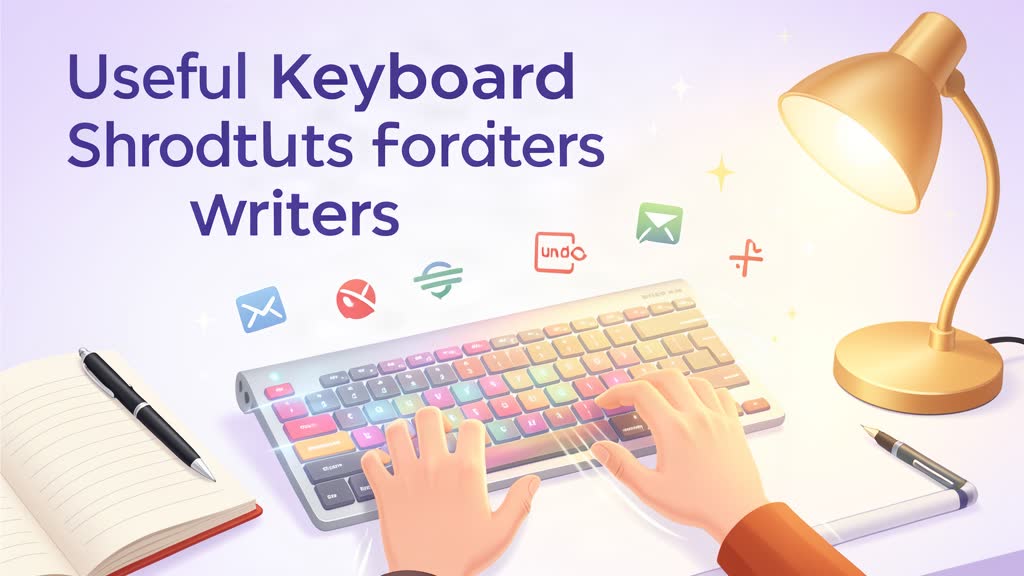
Zaboravljate na bezbroj sati samo-uređivanja i zamišljate ugodan život pisanja u kojem prave riječi bez napora teku iz vrhova prstiju dok sjedite u idealnom okruženju i pijuckate omiljeni napitak.

Choose the right image format, dimensions, and compression settings before uploading to a CMS so pages stay sharp, fast, and easier to manage.
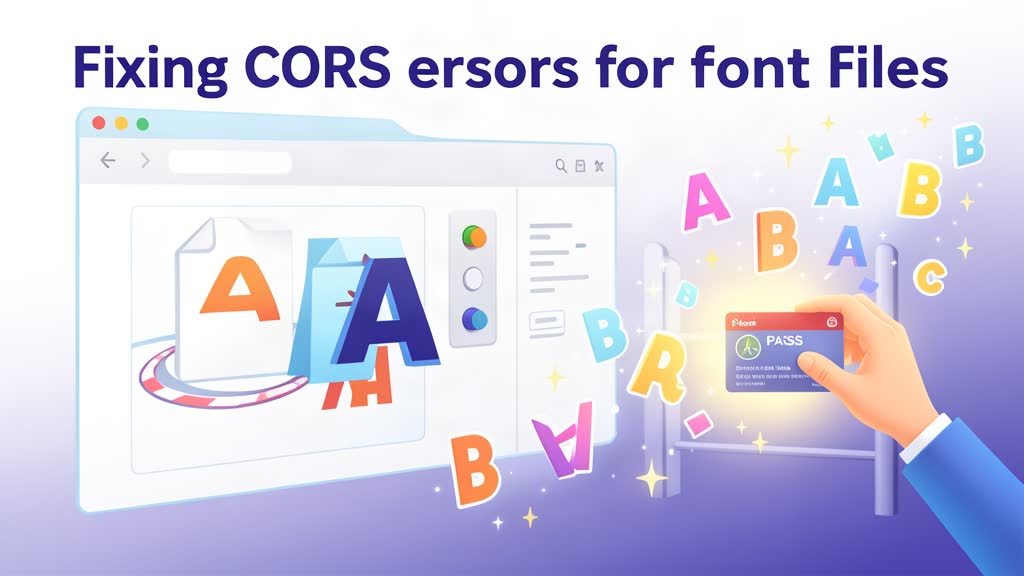
Resolve font-loading CORS errors by adding the right Apache headers when assets are served through a CDN or separate domain.

Learn how SPF, DKIM, and DMARC help Odoo send mail reliably and why correct DNS setup matters for deliverability and trust.