AI search in 2026: what changed and what to do about it
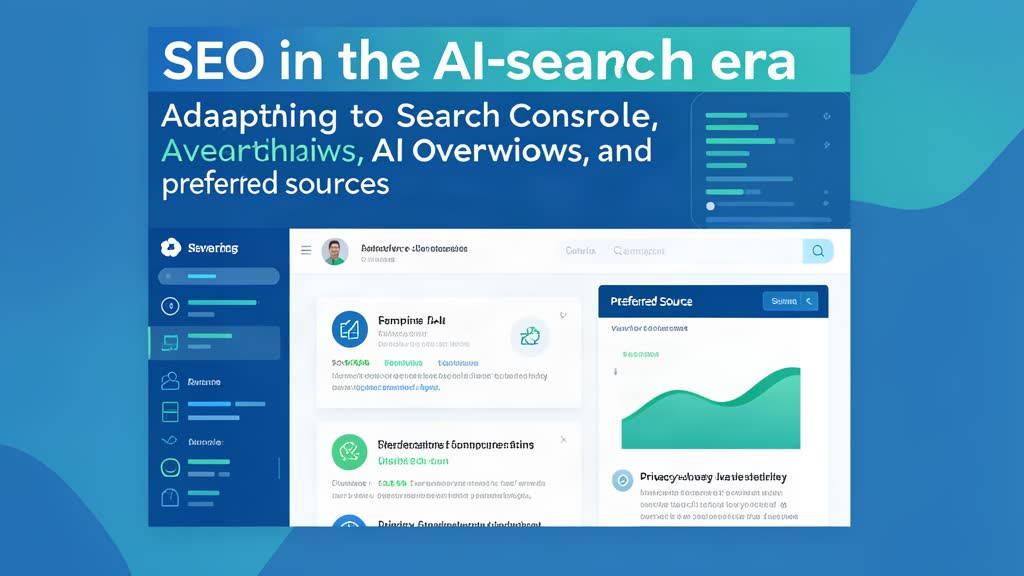
AI search changed everything in 2025 and the shift is still accelerating. A breakdown of what changed, how search behaviour is evolving, and what content owners should do to stay visible.
Tag
17 matching blog articles with repeat coverage under this topic.
Tag wiki
Definition
Content strategy is the planning system behind what content to create, for whom, and how it supports measurable business outcomes.
Why it matters
It matters when publishing volume is less important than clarity, intent match, and sustained content performance.
In this archive
In this archive content strategy appears in planning frameworks, editorial structure, and conversion-oriented publishing decisions. It currently appears in 17 articles and crosses 4 categories.
Nearest categories
Marketing & SEO , CMS & Content Systems , Static Sites & Astro , Automation & Integrations
Reference
Often appears with
AI search changed everything in 2025 and the shift is still accelerating. A breakdown of what changed, how search behaviour is evolving, and what content owners should do to stay visible.
SEO now needs to account for AI surfaces, richer Search Console reporting, and the way summaries influence click behaviour.
A basic Magnolia CMS setup goes more smoothly when the team starts with the official getting-started path, understands bundles and webapps, and uses Magnolia CLI to create a clean first project structure.
The right choice between Magnolia and a lighter CMS depends less on feature lists and more on workflow depth, integration pressure, governance needs, and the cost of long-term complexity.
Astro content collections keep service pages, blog posts, and other structured pages aligned without adding CMS complexity too early.
Astro content collections are often enough when the content operation needs structure, validation, and performance more than a heavy editorial backend.
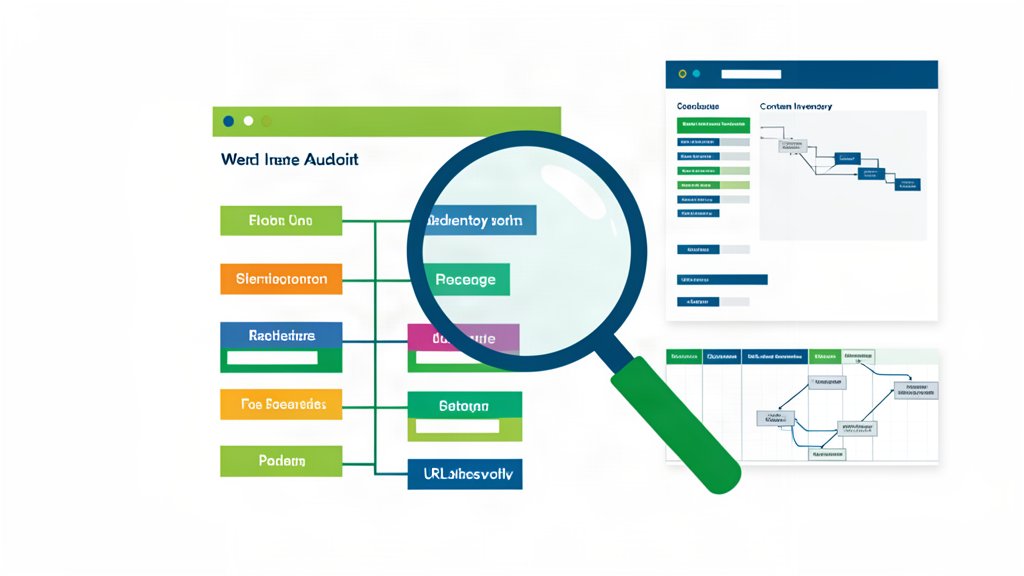
A content audit should identify page purpose, overlap, and URL logic before categories, directories, and internal links are reorganized.
Template redesigns go smoother when the content model is defined first, because structure decisions determine what the frontend can reuse and scale.
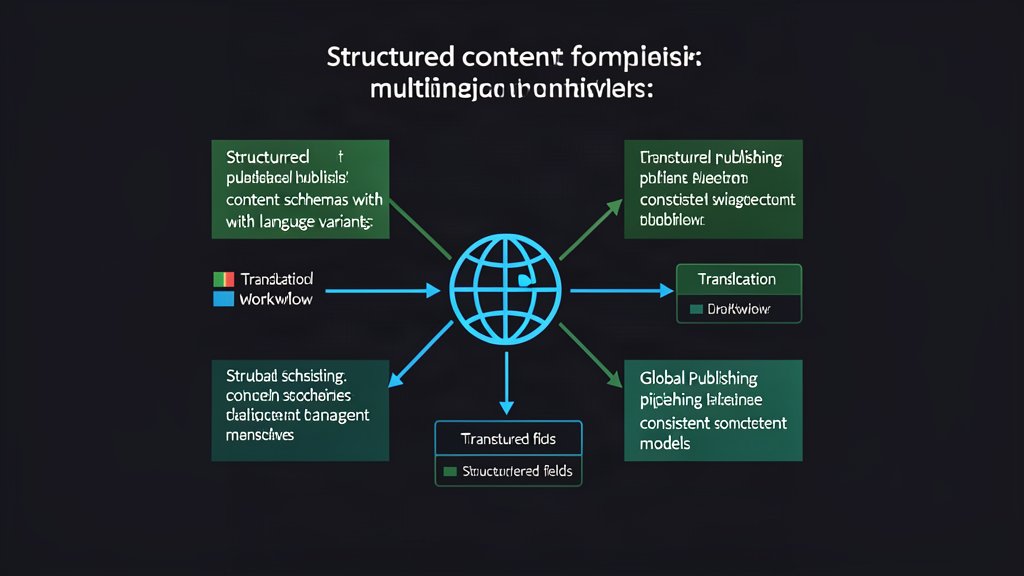
Multilingual publishing becomes easier when content is modeled as reusable fields instead of duplicated page layouts.
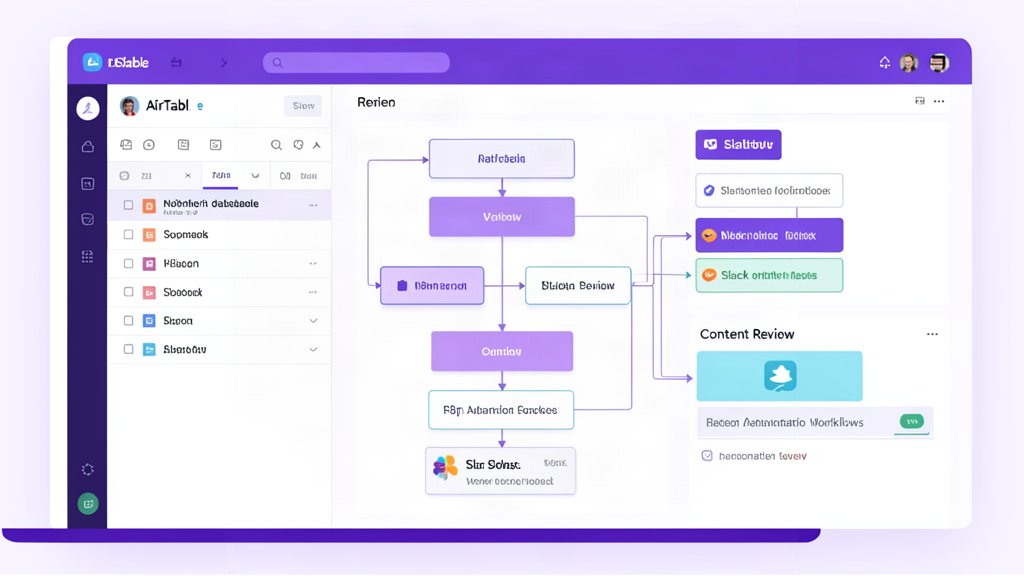
Airtable and n8n are a strong fit when service-page updates need structure, review, and reliable handoff between people.
A static site is often the better content system when publishing is predictable, editors are few, and operational overhead matters more than CMS convenience.
Strapi, Contentful, and Sanity each solve a different headless CMS problem, and the right choice depends on control, workflow, and scale.
WordPress, Drupal, and Sanity each work best in different content setups, and the right choice depends on the team and the workflow.
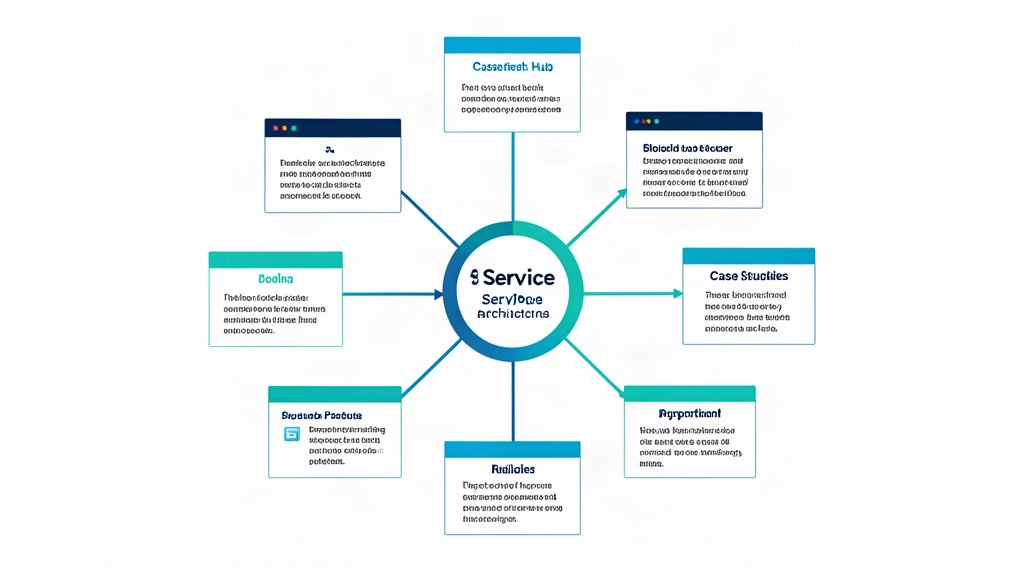
A good content hub groups related articles, service pages, and supporting pages so users and search engines can see how the topic fits together.
Astro 6.1 tightens image defaults, fallback routing, and content-focused ergonomics for sites that need predictable publishing behavior.
AI search changes how people discover answers, but the winning strategy is still people-first content with real expertise, clear purpose, and useful detail.
If social content gets attention but not inquiries, the issue may be content fit. Learn how to make posts more useful to potential customers.