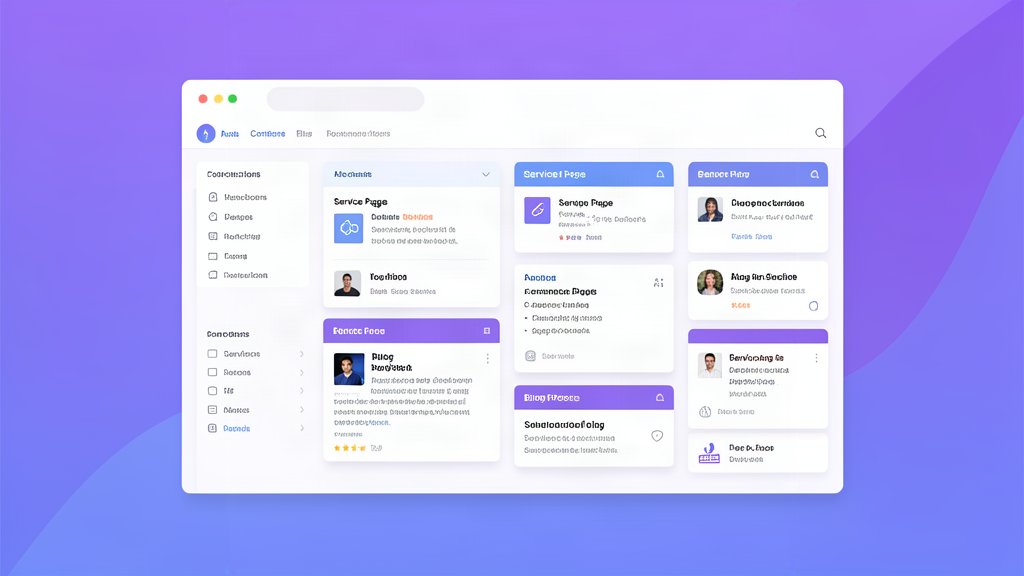
Astro content collections are most useful when pages share a structure. That is exactly the case for service pages, blog posts, and other repeated content blocks on a consulting site. If every page needs the same fields, the content layer should enforce that structure instead of relying on memory.
Define The Shape Before You Add More Pages
Current Astro docs recommend build-time collections when content is mostly static and shares a repeatable structure. That means you can define a schema once, then rely on it across the whole site.
For a service-led site, the schema might include:
- title
- short description
- audience
- outcome
- featured technologies
- related articles
That gives editors enough structure to publish without forcing them into a heavy CMS workflow.
Why The Schema Matters More Than The Query
The useful part of collections is not just that Astro can fetch entries. It is that schema validation catches broken content before production.
That matters when the site needs to stay trustworthy. A missing CTA, a malformed slug, or a broken summary should fail at build time rather than show up in the browser after deploy.
In practice, that turns content structure into a real contract.
Keep Pages And Posts Aligned
When blog posts and service pages are built from the same content rules, the site feels more coherent.
A service page can point to the articles that explain the methods behind the offer. A blog post can link back to the service that applies the idea in a client project. The collection schema keeps those connections predictable.
That is much easier to maintain than hand-curated pages with separate content rules.
Know When To Stop At Collections
Collections are enough when:
- the content shape is stable,
- the team is small,
- the publishing cadence is manageable,
- the site needs performance more than workflow complexity.
A fuller CMS makes sense when editorial approvals, multi-author permissions, or day-to-day browser editing become the real bottleneck.
Bottom Line
If your site is mainly a structured publishing system, Astro content collections are often the cleanest place to start. They keep the content model explicit, make mistakes easier to catch, and let service pages and blog posts evolve together.
Reference: Astro Content Collections.
Related areas
Related What I Do
These What I Do pages are matched from the subject matter of this article, creating a cleaner path from educational content to implementation work.
Continue reading
Related articles
Based on shared categories first, then the strongest overlap in tags.