Many CMS projects do not fail because of page rendering. They become expensive because every important business system sits beside the CMS instead of inside the working flow around it.
That is the point where custom glue code starts piling up.
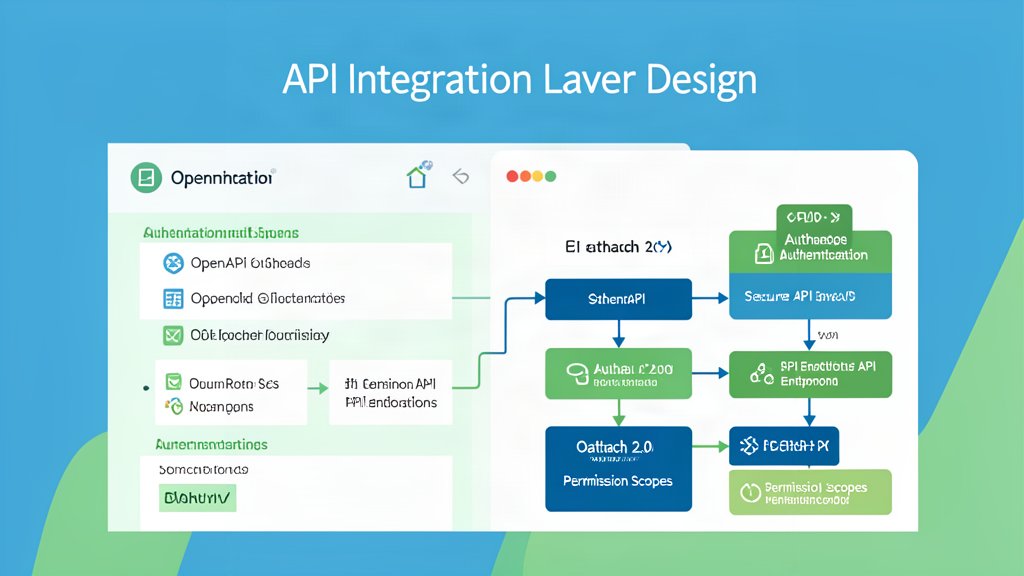
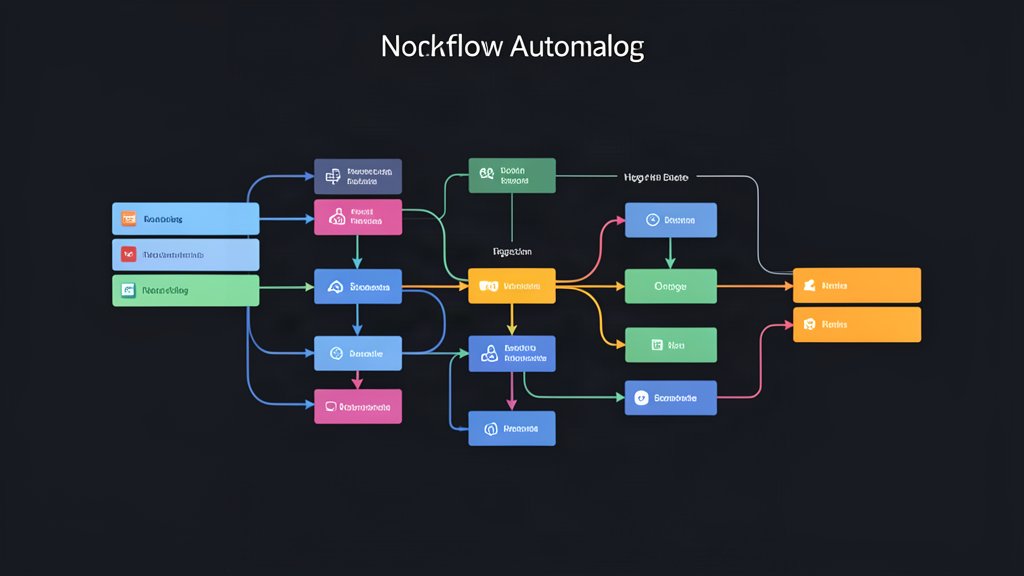
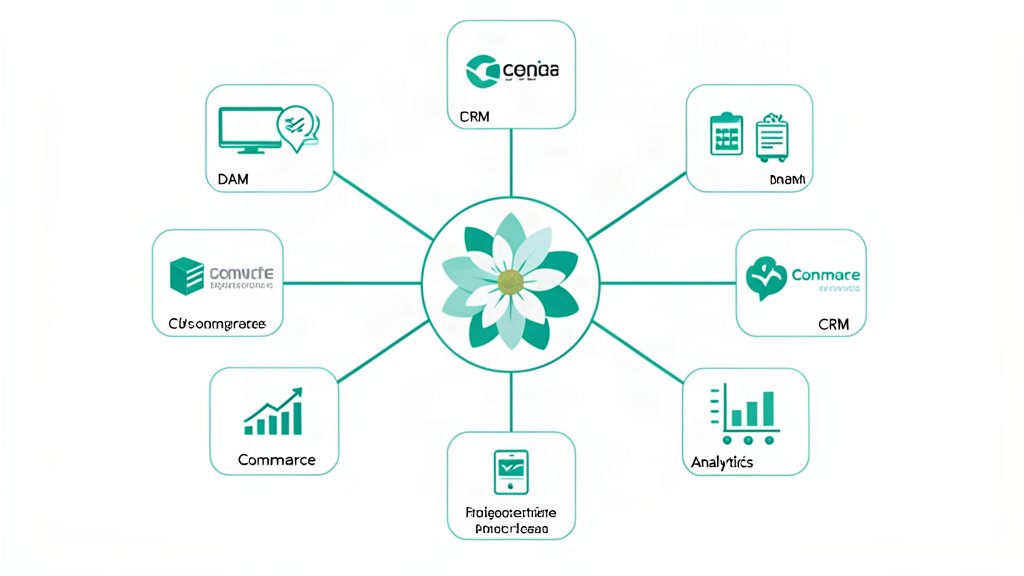
Magnolia tries to address that with an integration framework built around common patterns for commerce, marketing automation, DAM, analytics, and optimization tools.
The Difference Is Not Just Connectivity
Almost any modern platform can connect to an API. That alone is not impressive.
The more useful claim in Magnolia’s integration material is that content and external data can be surfaced to teams through a more unified editorial experience. Their language around integrated user experience is really about reducing context switching and making connected systems feel native enough to be usable in day-to-day work.
That is very different from merely saying, “yes, we have webhooks and REST calls.”
Where Custom Glue Code Usually Hurts
Teams feel the pain when they have to keep stitching together:
- product data from commerce systems,
- assets from a separate DAM,
- audience or campaign data from marketing tools,
- analytics signals,
- SEO and content quality tooling.
If every connection is bespoke, you do not just pay once. You keep paying in maintenance, drift, auth edge cases, and UI inconsistency.
When Magnolia’s Approach Wins
Magnolia’s approach is stronger when the goal is to make multiple external systems part of one operating model.
Its connectors and unified integration framework are most useful when a CMS is not acting as an isolated repository, but as the composition layer for broader digital experience delivery.
That is especially relevant for larger organizations where editors and marketers cannot spend their day bouncing between five systems just to publish one coherent experience.
When It Still May Not Be Worth It
If the project only has one or two simple external dependencies, custom integration work may still be cheaper and more understandable than adopting a larger enterprise platform.
The value of Magnolia’s integration model grows with organizational complexity, not with abstract architectural elegance.
Bottom Line
Magnolia’s integration framework beats custom CMS glue code when the real problem is not one API connection, but the ongoing operational mess of many systems that need to behave like one publishing environment.
That is where platform-level integration starts to pay for itself.
References: Magnolia Connectors and Integration Frameworks, Magnolia Headless CMS.
Related areas
Related What I Do
These What I Do pages are matched from the subject matter of this article, creating a cleaner path from educational content to implementation work.
Continue reading
Related articles
Based on shared categories first, then the strongest overlap in tags.