 Goran Štimac
 01
Explicit data contracts and authentication between systems
What I Do
Connect systems cleanly so data moves reliably without manual effort.
Systems become useful when information can move between them in a controlled way. I design and connect integrations, workflows, websites, commerce systems, and data pipelines around explicit data contracts, authentication, error handling, and operational visibility. The right solution may be a small connector, a structured workflow, or a larger system change; the scope follows the actual process.
Decision-making focus
A clearer engagement around the business problem, the current setup, and the smallest workable change that still improves the system.
Problems solved
Core outcomes
The work is structured around delivery outcomes that are easier to understand, scope, and act on than a generic feature list.
01
Explicit data contracts and authentication between systems
02
Reliable workflows with observable triggers, exceptions, and approvals
03
Maintainable websites, commerce, and marketing systems that integrate cleanly
What this work covers
Systems become useful when information can move between them in a controlled way. I design and connect integrations, workflows, websites, commerce systems, and data pipelines around explicit data contracts, authentication, error handling, and operational visibility. The right solution may be a small connector, a structured workflow, or a larger system change; the scope follows the actual process.
Integrations need more than a successful request. We define what each system owns, how data is mapped, how credentials are handled, what happens when a request fails, and how changes are detected. Webhooks, scheduled synchronization, retries, idempotency, and logs are considered according to the system’s needs rather than added by default.
A workflow should make its trigger, decisions, approvals, exceptions, and hand-off points understandable. Automation can reduce repetitive coordination, but it should also leave a trace that people can inspect. We can model the current process, identify safe automation boundaries, and retain human review where an exception or business decision requires it.
When information is distributed across pages, files, or systems, the first challenge is usually consistency. Extraction and browser automation can be combined with normalization, enrichment, validation, and change monitoring. The implementation must respect access rules, privacy requirements, source stability, and the cost of maintaining the pipeline.
A custom website is also a publishing and integration system. The relevant questions include content ownership, structured data, editorial workflows, deployment, analytics, and the systems that need to receive or publish information. The focus is a maintainable delivery system, not design in isolation.
Commerce work often crosses the catalog, checkout, payments, fulfillment, CRM or ERP, and marketing systems. The work treats these as integration boundaries: what must stay synchronized, which failures require attention, and where a manual review is appropriate. Platform selection and implementation depend on the existing process and constraints.
Campaign tracking, CRM, email, attribution, and reporting should share a clear data model. I can help connect the systems and document what is measured, with consent and privacy boundaries treated as implementation requirements. An integration itself does not produce more leads or revenue; it produces a reliable measurement surface.
Ready to start? Map your integration needs. If you need data and AI workflows on top of these systems, see Data & Applied AI Workflows.
Relevant reading
Selected from the archive based on the service topic, outcomes, and the blog categories most closely tied to this work.
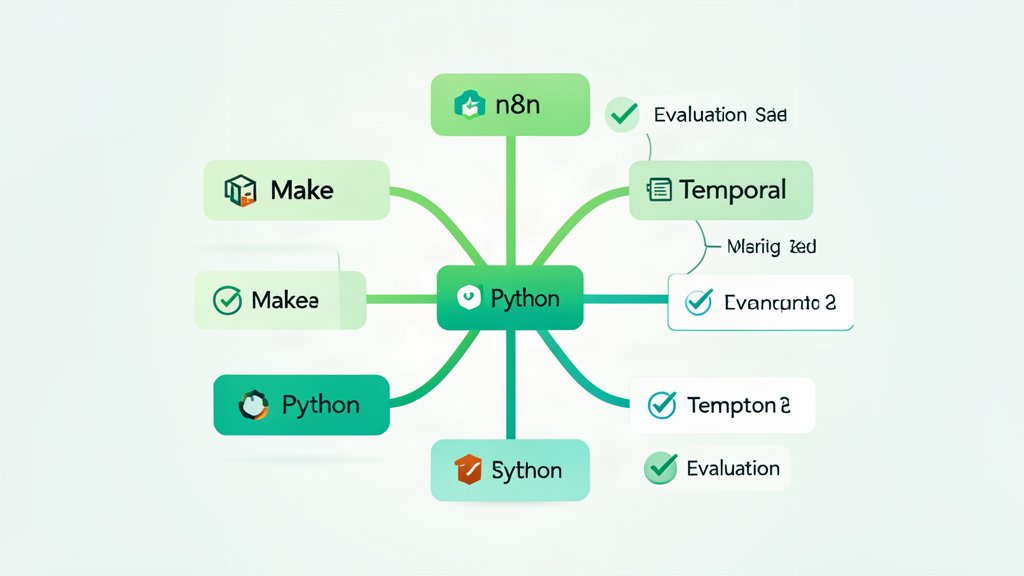
A five-dimension decision framework for choosing between n8n, Make, Temporal, and a custom Python worker — covering pricing, latency, team skill set, compliance, and integration ecosystem.
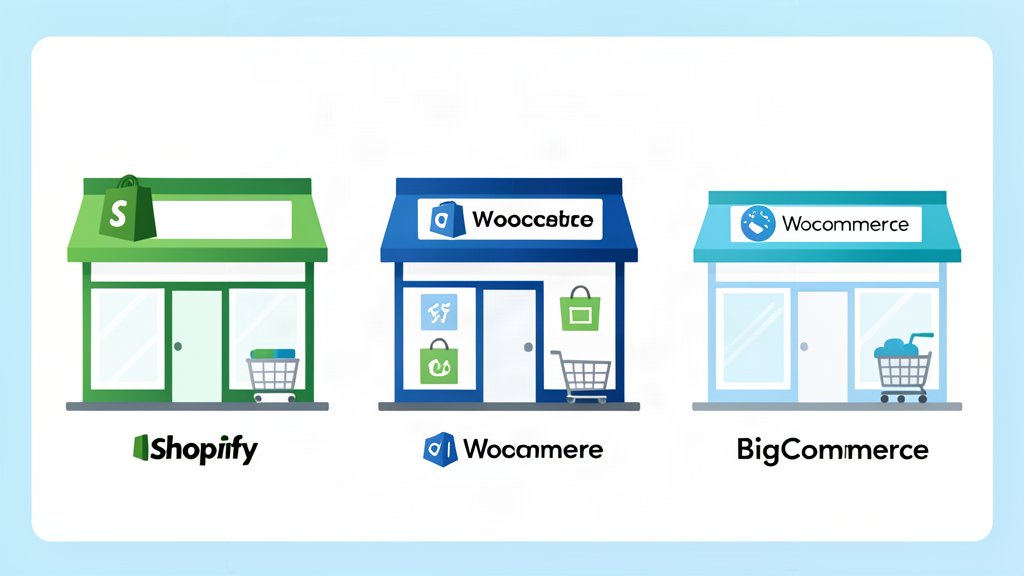
Shopify, WooCommerce, and BigCommerce each fit a different commerce model, so the right choice depends on control and operations.
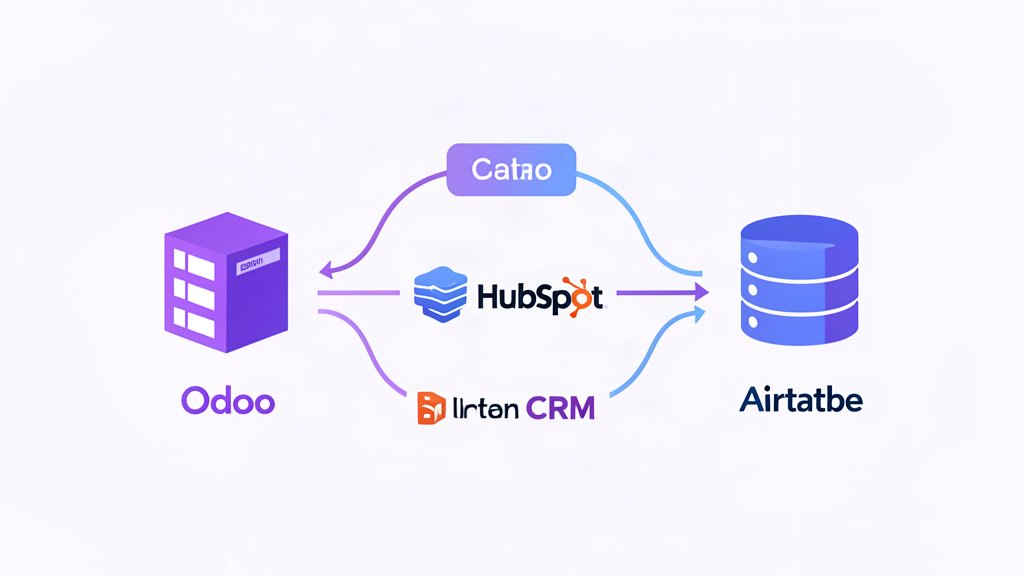
Odoo, HubSpot, and Airtable can work together when each system has a clear role and a shared data model.
Next step
Share what the team is building, where delivery or operations are getting stuck, and what constraints already exist. The goal is to turn that into the clearest first move instead of a vague engagement.