API work becomes much easier when the contract is written before the first integration goes live.
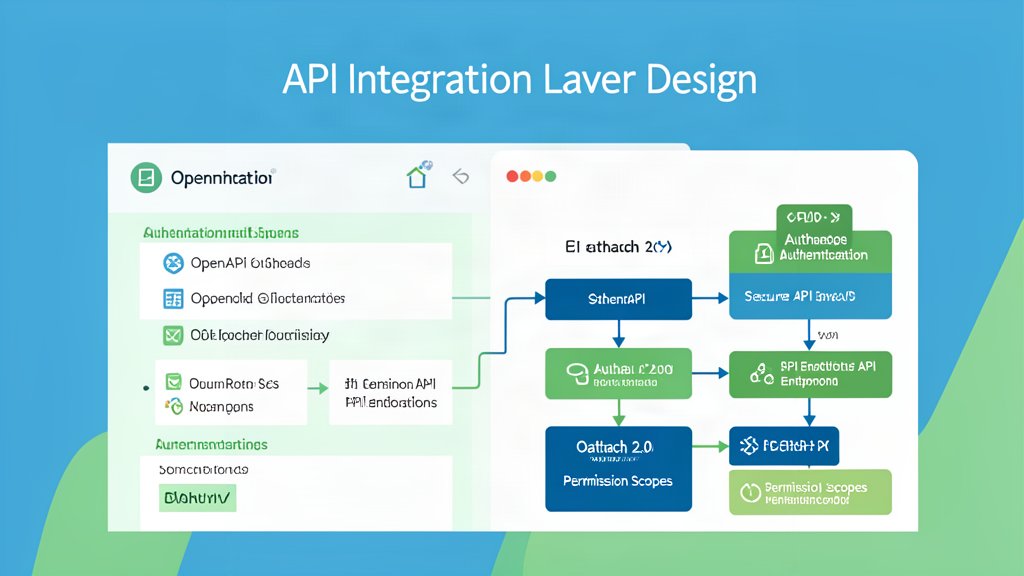
OpenAPI gives you the shape of the interface. OAuth 2.0 gives you the permission model. Postman lets you test both before the first client or internal system depends on them. That combination is usually enough to keep an integration layer understandable.
Define The Contract Early
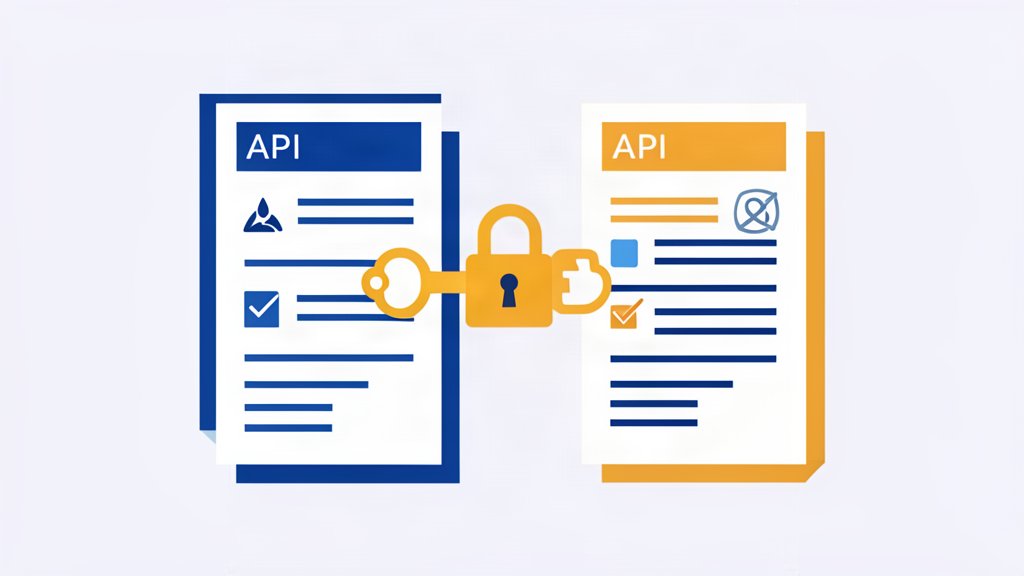
The OpenAPI spec should describe the required endpoints, request bodies, responses, and error cases in plain language. If a consumer can understand the API from the spec alone, the implementation is already in a better place.
The current OpenAPI guidance is very explicit about why this matters: a formal API description makes it possible to generate clients, create tests, and keep design standards consistent. That reduces the number of arguments a team has to have later about what the API should do.
Postman fills the gap between the spec and the implementation. It is not just a test tool. It is a place to explore the contract, verify auth, and document real-world requests before the API gets reused by third parties or internal automations.
Keep Authentication Visible
OAuth 2.0 is easiest to support when scopes, tokens, and refresh behavior are documented clearly. The more transparent that layer is, the less likely teams are to guess their way through failures.
In practice, the best default for modern web and mobile integrations is the authorization code flow with PKCE. For service-to-service calls, client credentials may be the better option. For device-based or browser-less flows, the device flow may be the right fit. The important part is that the grant type matches the client type.
If the API has discovery or registration needs, document that too. Token introspection, revocation, and server metadata are easy to overlook until the first security review.
Keep The Security Story Explicit
OAuth is not just about login. It is about the rules that govern access.
- Define scopes before writing code.
- Document the difference between public and confidential clients.
- Make refresh behavior and token lifetime clear.
- Add a plan for revocation and rotation.
When those rules are visible in the spec and the docs, the integration layer becomes easier to audit and support.
Practical Rule
If the integration will be reused, version it and test it in Postman from the start. That reduces surprises when the first third-party app or internal workflow depends on it.
Related areas
Related What I Do
These What I Do pages are matched from the subject matter of this article, creating a cleaner path from educational content to implementation work.
Continue reading
Related articles
Based on shared categories first, then the strongest overlap in tags.