API handoffs get messy when nobody knows what the contract is supposed to be.
One team assumes an endpoint returns a certain shape. Another team assumes permissions work a different way. Support tickets appear after launch because the implementation, the documentation, and the security model never agreed with each other.
OpenAPI and OAuth solve different parts of that problem.
OpenAPI Defines What The API Does
The current OpenAPI specification describes a language-agnostic way to document HTTP APIs so humans and tools can understand the service without reading source code.
That helps handoffs because it gives everyone the same answer for:
- which endpoints exist,
- which inputs they accept,
- which responses they return,
- which errors are possible,
- which schemas are reusable.
When the contract is clear, the implementation has fewer places to drift.
OAuth Scopes Define What The Client Can Do
OAuth 2.0 is not a login system. It is an authorization framework.
Its value is that access is issued as a token with a scope and lifetime, rather than through raw user credentials. That makes it much easier to explain what a client is allowed to do and what should stay off limits.
For integrations, scopes are the part that keeps permissions legible. If the token is too broad, the problem is visible. If the token is too narrow, the missing permission is easier to diagnose.
Put The Two Together
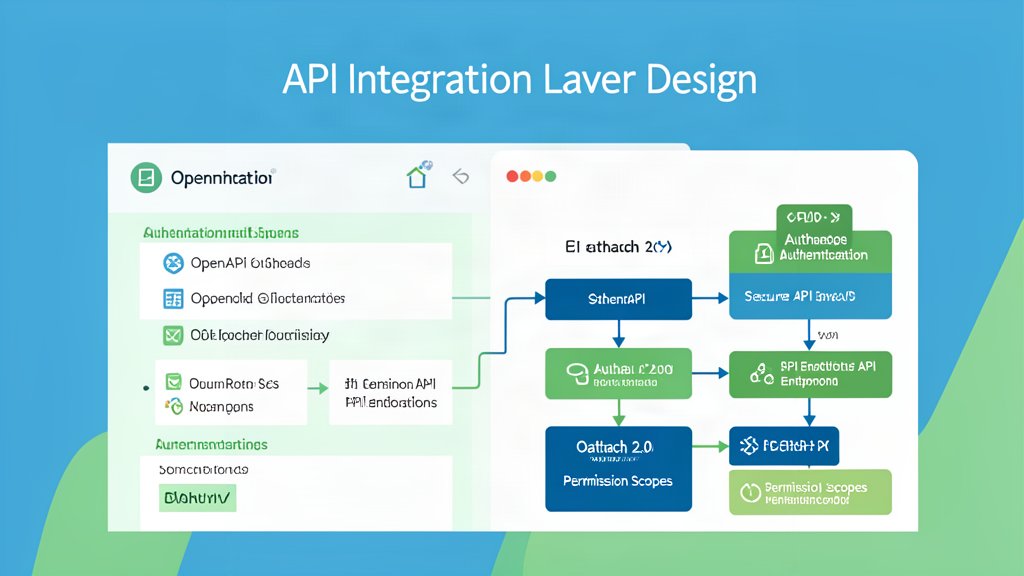
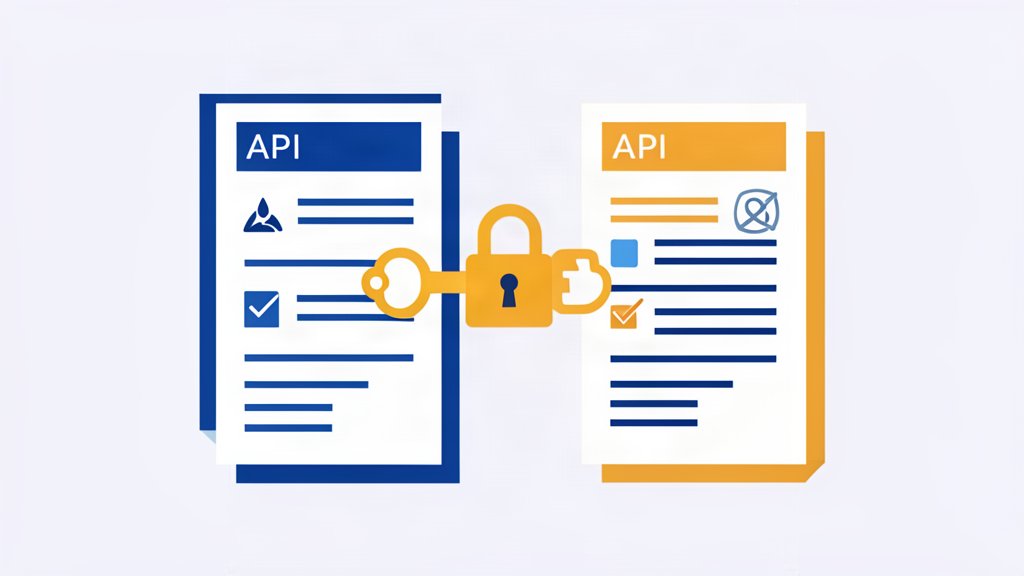
OpenAPI tells the client what requests are valid. OAuth tells the client what it is allowed to request.
That combination is especially useful when the API is consumed by multiple systems, or when a client handoff has to survive changes in staffing or vendors. The spec documents behavior. The scopes document authorization.
In practice, that means the handoff should include:
- the OpenAPI document,
- the OAuth authorization details,
- the expected scopes,
- the token lifetime and refresh behavior,
- example requests and errors.
Keep The Security Story Visible
The biggest mistake is treating OAuth as an implementation detail.
If a client team does not know which scopes are required, or whether a flow is authorization code, client credentials, or something else, they end up guessing. That is where avoidable integration bugs come from.
The better pattern is to write the permission model down with the contract and keep it close to the code that depends on it.
Bottom Line
OpenAPI and OAuth do not just make APIs more formal. They make handoffs less ambiguous.
When the contract and the permission model are both explicit, the next team can integrate faster and support the API with fewer surprises.
References: OpenAPI Specification v3.2.0 and RFC 6749.
Related areas
Related What I Do
These What I Do pages are matched from the subject matter of this article, creating a cleaner path from educational content to implementation work.
Continue reading
Related articles
Based on shared categories first, then the strongest overlap in tags.