CMS & Content Systems is the broad subject lane for this part of the archive.
Definition
Content system guidance for publishing workflows and CMS operations.
What belongs here
Articles land in CMS & Content Systems when the main subject is cMS workflows, content editing, migrations, and content management systems..
How to read it
Treat this category as the broad lane first, then use tags to narrow that subject down to the concrete technologies, platforms, or patterns used inside it.
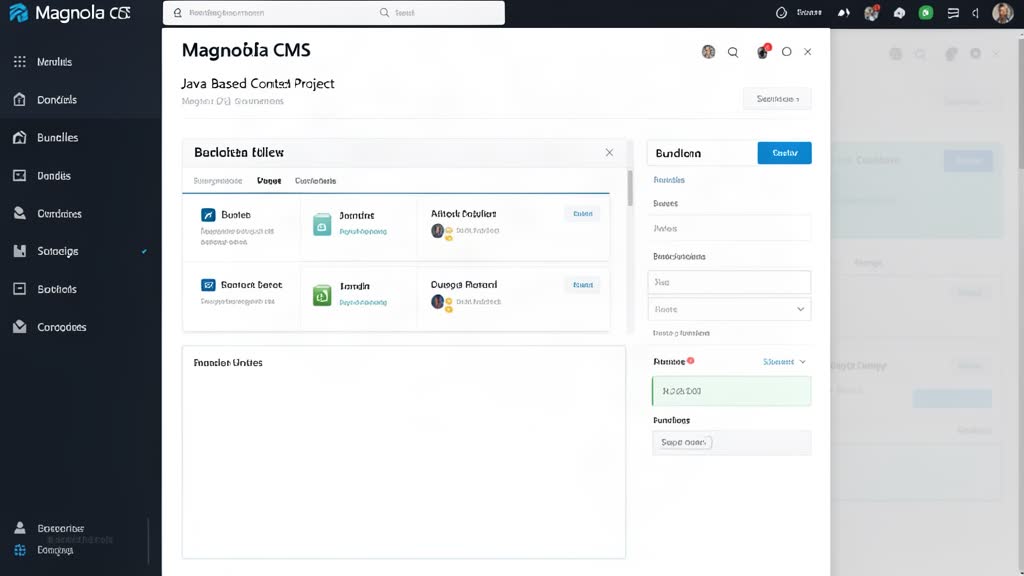
A basic Magnolia CMS setup goes more smoothly when the team starts with the official getting-started path, understands bundles and webapps, and uses Magnolia CLI to create a clean first project structure.
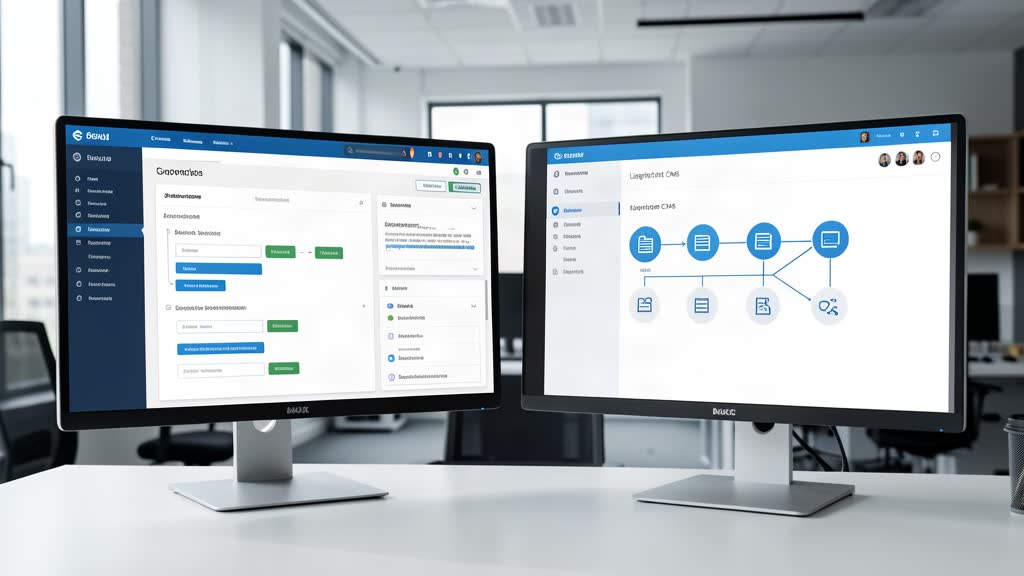
The right choice between Magnolia and a lighter CMS depends less on feature lists and more on workflow depth, integration pressure, governance needs, and the cost of long-term complexity.
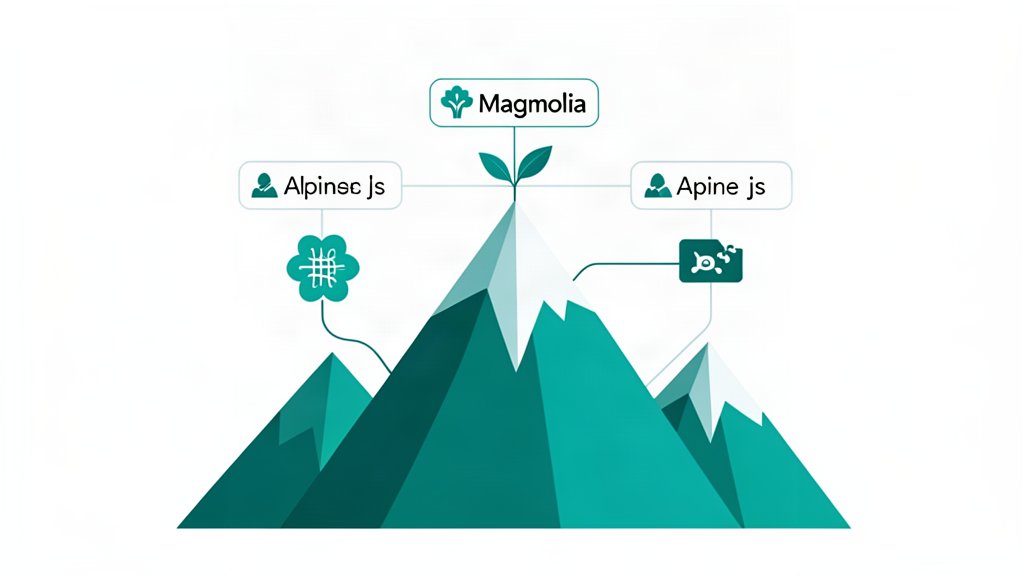
Magnolia and Alpine.js can complement each other when a team needs strong governance and compliance on the CMS side while keeping the frontend interaction layer intentionally small.
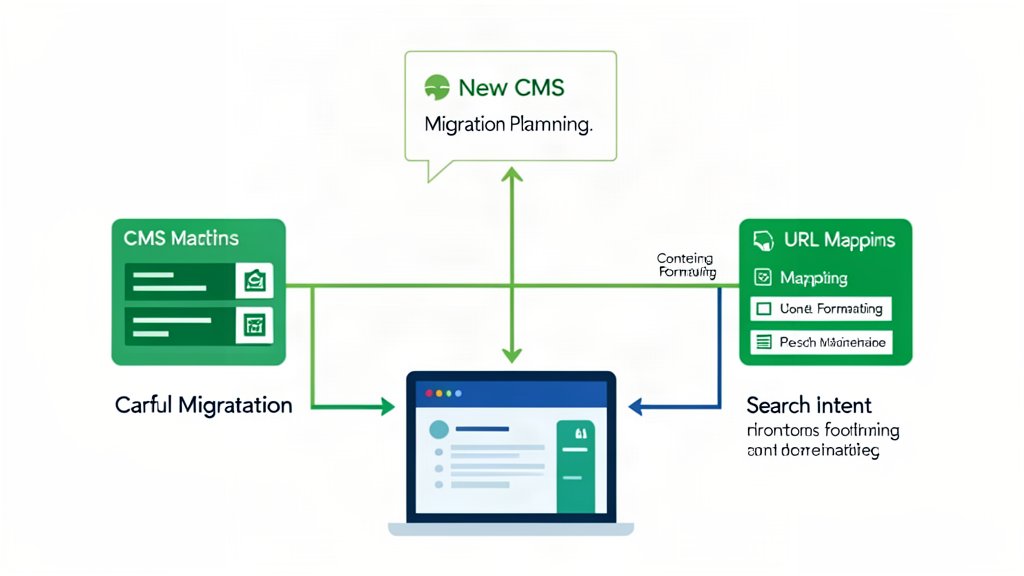
A Magnolia migration goes better when the team treats authoring flows, approvals, content structure, and external dependencies as first-class migration scope instead of backend details.
Alpine.js is useful on Magnolia-driven pages when the goal is to add filters, dropdowns, tabs, and small form behavior without overbuilding the frontend.
Magnolia and Alpine.js can work well together when a team wants editable, API-driven content delivery without turning every frontend interaction into a framework-heavy application.
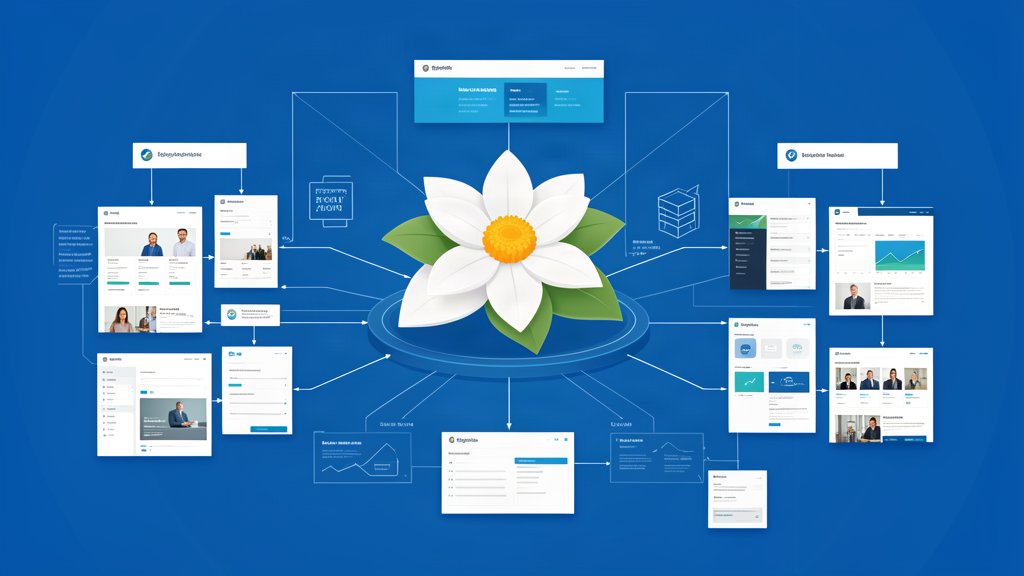
Magnolia CMS makes most sense when teams need enterprise authoring, reusable content models, and integration-heavy delivery across sites, portals, and apps.
Block Editor has forever changed the way we can use WordPress. The idea that we can create blocks of content and arrange them in a way similar to components allows great flexibility in the way we create content and provides an opportunity to develop new types of modular content. The concept is not new and exists on more complex and serious CMS systems like Drupal for years but it is certainly a welcome addition to WordPress that is used often.