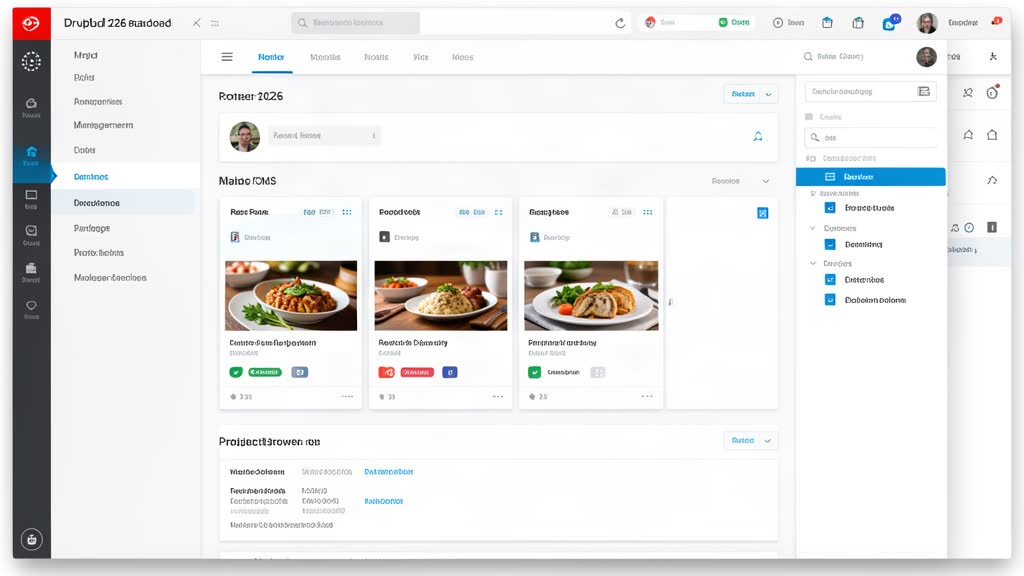
Drupal in 2026 is not a nostalgia piece. The interesting part is that the project is actively trying to make the CMS experience easier without giving up the things that made Drupal valuable in the first place: structure, governance, multilingual capability, and complex content modelling.
The roadmap reads like a product story, not just a core-maintenance story. Drupal CMS, Starshot, Recipes, Project Browser, and Automatic Updates all point in the same direction: reduce friction for site builders while keeping the platform powerful. That is a serious signal for teams that have long liked Drupal but wished it were easier to adopt and maintain.
For the right team, that is a big deal. Drupal has long been strong at roles, permissions, structured content, and editorial control. The problem has rarely been capability; it has been setup friction and maintenance overhead. The current roadmap attacks exactly those pain points, which makes the 2026 story more interesting than a simple “is Drupal still alive?” post.
Drupal still shines for organisations with complex content models, multilingual publishing, and clear editorial governance. It is also a good fit when multiple stakeholders need a controlled publishing process instead of an improvised one. If a team wants more than a website builder but less chaos than a highly custom application stack, Drupal still has a place.
The trade-off is that it is still not the easiest CMS choice for small projects. If the team wants the absolute lowest setup overhead, a lighter tool will usually win. Drupal is worth it when the structure and governance are worth the effort.
Further reading: Drupal CMS initiative, Recipes, Automatic Updates, and Drupal 11.4.0.
Related areas
Related What I Do
These What I Do pages are matched from the subject matter of this article, creating a cleaner path from educational content to implementation work.
Continue reading
Related articles
Based on shared categories first, then the strongest overlap in tags.