
01
Workflows built around a defined task, source material, and review boundary
What I Do
Turn unstructured data into practical, automated internal tools.
Applied AI is most useful when it is connected to a real workflow and evaluated against a clear task. I help shape data and AI workflows such as retrieval-assisted tools, internal assistants, structured extraction, and review processes. The work includes data boundaries, evaluation, guardrails, deployment, and maintenance—not only selecting a model.
Decision-making focus
A clearer engagement around the business problem, the current setup, and the smallest workable change that still improves the system.
Problems solved
Core outcomes
The work is structured around delivery outcomes that are easier to understand, scope, and act on than a generic feature list.
01
Workflows built around a defined task, source material, and review boundary
02
Retrieval, evaluation, and guardrails designed together
03
A measurement layer that shows whether the workflow is useful
What this work covers
Applied AI is most useful when it is connected to a real workflow and evaluated against a clear task. I help shape data and AI workflows such as retrieval-assisted tools, internal assistants, structured extraction, and review processes. The work includes data boundaries, evaluation, guardrails, deployment, and maintenance—not only selecting a model.
Start with the work a person needs to complete, the source material they are allowed to use, and the decisions that must remain reviewable. A workflow may combine retrieval, classification, extraction, generation, or agent-like steps. Each component should have a defined input, output, failure mode, and review boundary.
Practical design also means choosing when not to automate. Sensitive data, ambiguous requests, and high-impact decisions need appropriate controls and human involvement. AI is a component in a system, not an unqualified replacement for expertise.
Retrieval quality depends on source structure, indexing, permissions, chunking, and how evidence is shown to the user. Evaluation should use representative tasks and agreed criteria rather than a single impressive example. Guardrails can include access control, input validation, output checks, logging, rate limits, and a route to human correction.
Data and AI workflows need a measurement layer. That can include an event plan, consent-aware analytics, attribution boundaries, dashboards, operational logs, and task-level evaluation. Measurement is used to learn whether the workflow is useful and where it needs revision; it is not a promise of a particular business outcome.
A workflow is not finished when a prototype produces a response. It needs an owner, a deployment path, monitoring, a way to update source data or prompts, and a process for handling regressions. I can help make those responsibilities explicit and choose a level of complexity that the team can operate.
Engagement can begin with a bounded discovery session, continue through a prototype and evaluation plan, or take the form of ongoing technical consulting. Workshops and mentoring are available when a team needs to build its own working knowledge.
Ready to start? Discuss a data or AI workflow. If the underlying systems need architecture or integration work first, see Architecture & System Strategy.
Relevant reading
Selected from the archive based on the service topic, outcomes, and the blog categories most closely tied to this work.

AI agents are moving from demos to production workflows, and MCP plus newer SDK features are making the connector layer and runtime rules more important.
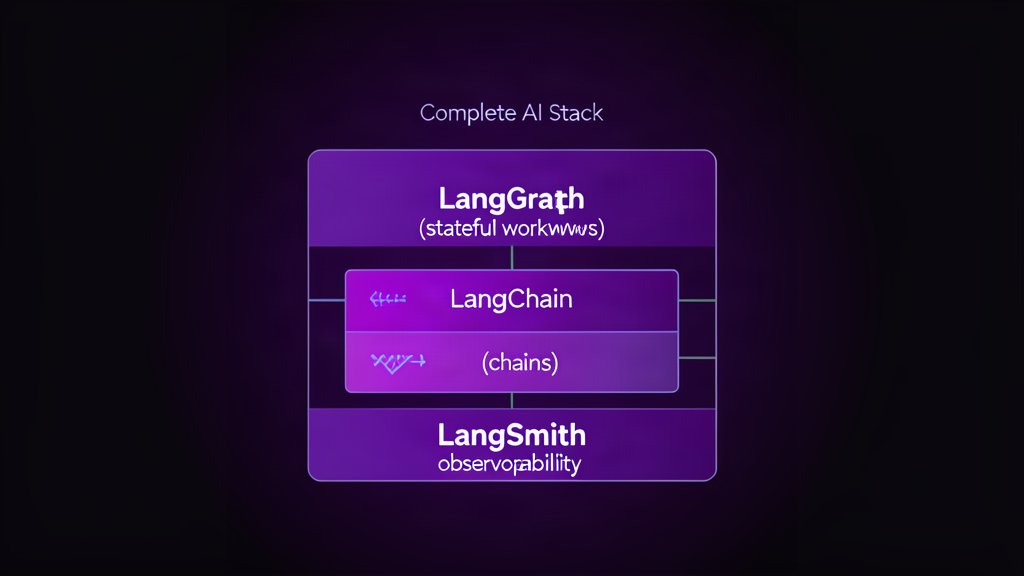
LangChain, LangGraph, and LangSmith solve different problems, and the stack is clearer when each layer has a specific job.
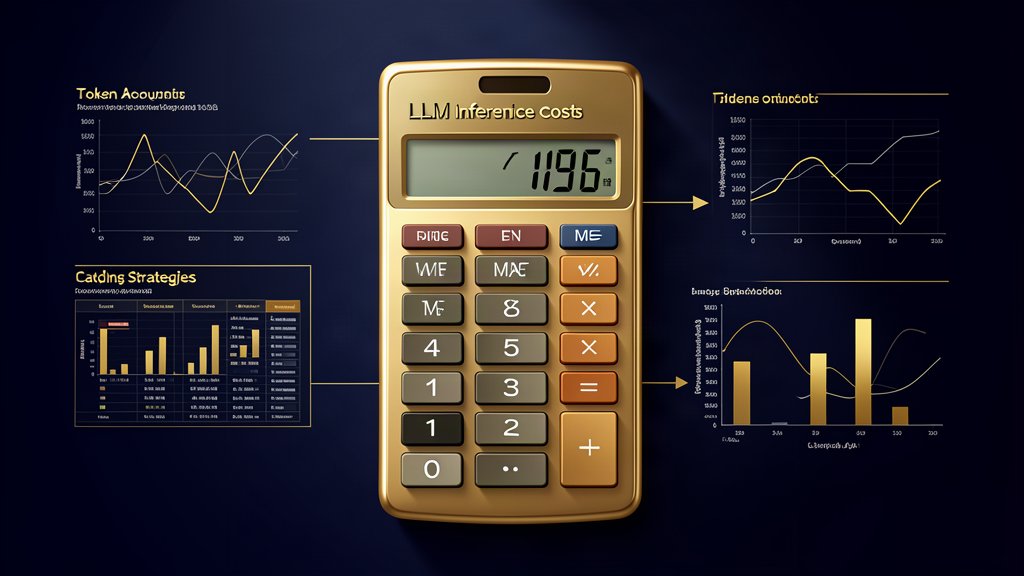
A practical framework for budgeting LLM inference costs in production — covering context-window multipliers, prompt caching strategies, model tiering, fallback chains, and per-run cost monitoring.
Next step
Share what the team is building, where delivery or operations are getting stuck, and what constraints already exist. The goal is to turn that into the clearest first move instead of a vague engagement.