
When Apache Airflow Is Better Than n8n or Temporal for Data Workflows
Airflow is the better choice when the work is data-first, scheduled, and built around DAGs, retries, and operator-driven orchestration.
Category
26 matching blog articles. Infrastructure notes covering servers, Linux, deployment, databases, and practical operational maintenance.
Airflow is the better choice when the work is data-first, scheduled, and built around DAGs, retries, and operator-driven orchestration.
Redis is still the fastest way to add caching and state, but its 2026 value now extends into vectors, AI memory, and streaming.
Temporal, RabbitMQ, and Kafka solve different automation problems, and they belong in different parts of the stack.
Cloudflare, Akamai, and CloudFront solve similar edge problems, but the right fit depends on control, integration, and delivery needs.
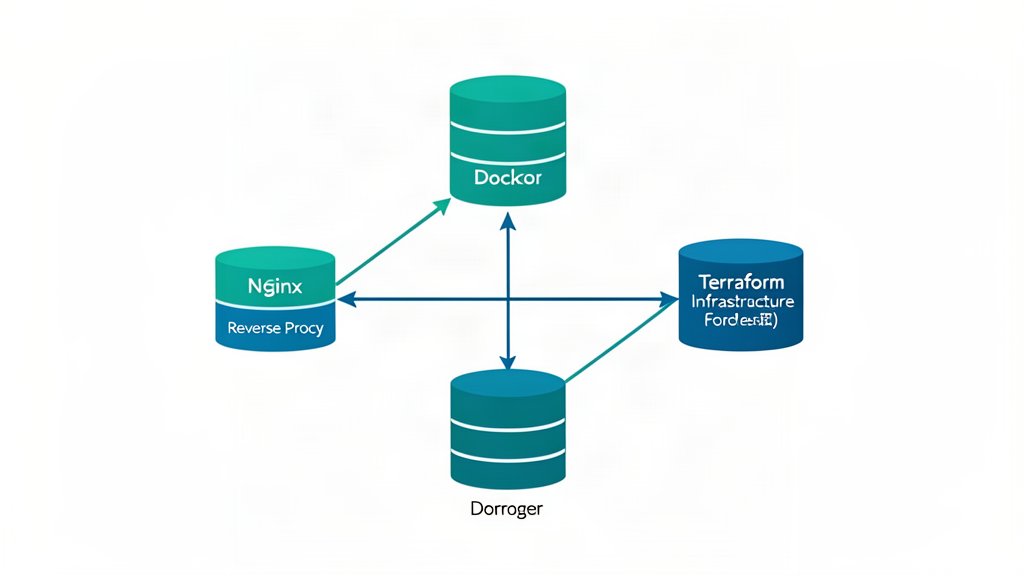
Nginx, Docker, and Terraform create a small infrastructure stack that stays understandable as the system grows.
Prefect and Polars are worth it when a data workflow has retries, dependencies, and analysis work that should not live in a cron script.
Lighthouse, WebPageTest, and Chrome DevTools work well together when the goal is to find the real bottlenecks behind a slow page.
Use modern Git credential managers, personal access tokens, and SSH keys instead of storing passwords in plain text.
If you need lightweight internal apps in 2026, there are better-supported options than starting new work on AWS Honeycode.
Remove all tables from a MySQL database without dropping the database itself or recreating users, permissions, and other objects.
Learn how a CDN speeds up websites, reduces origin server load, and improves resilience by serving content from edge locations closer to users.
Add a user to the www-data group on Ubuntu or Debian so Apache-served files can be managed with the right permissions.
Practical guide to changing Apache MPM directives on Ubuntu and CentOS so tuning decisions turn into actual server configuration.
Learn how Apache Prefork, Worker, and Event MPMs differ so you can choose the right process model for performance and stability.
Learn why aggressive Apache limits can push a server into swap thrashing and how that leads to slowdowns, instability, and crashes.

Understand the Apache MPM directives that shape concurrency, memory use, and request handling across Prefork, Worker, and Event.

Install phpMyAdmin on Ubuntu 20.04 and lock it down so database management stays accessible without exposing an easy target.
Step-by-step guide to installing Linux, Apache, MySQL, and PHP on Ubuntu 20.04 so you can host PHP applications on a standard LAMP stack.
Compare VPS and shared hosting to understand the tradeoffs in control, performance, maintenance, and when it makes sense to upgrade.
KeePass is a free open source password manager, which helps you to manage your passwords in a secure way. You can store all your passwords in one database, which is locked with a master key. So you only have to remember one single master key to unlock the whole database.
Step-by-step guide to creating and enabling swap space on Ubuntu or Debian when a server needs more virtual memory.
Create a MySQL user and grant database permissions in AWS RDS from the Linux command line.
Enable Apache mod_rewrite on Ubuntu or Debian so applications and .htaccess rules can handle clean URLs and redirects.
Learn how to install the Odoo 14 system and set it to work via the Nginx proxy, a complete guide.
Useful mysqldump, mysql, and mysqlimport commands for backing up and restoring MySQL databases from the Linux terminal.

Learn how SPF, DKIM, and DMARC help Odoo send mail reliably and why correct DNS setup matters for deliverability and trust.