Docker Compose in Production: Patterns and Pitfalls
A practical commentary on Nick Janetakis's Docker Compose production talk, covering configuration patterns, operational safeguards, and the limits of a 2021 single-host approach.
Tag
5 matching blog articles with repeat coverage under this topic.
Tag wiki
Definition
Docker packages software into containers so applications can be built once and run consistently across local machines, test environments, and production systems.
Why it matters
It matters when reproducible environments, dependency isolation, deployment portability, and smoother handoff between development and operations are part of the delivery workflow.
In this archive
Here Docker shows up in local development, deployment packaging, AI tooling, infrastructure setup, and workflows where environment consistency reduces delivery risk. It currently appears in 5 articles and crosses 3 categories.
Nearest categories
Automation & Integrations , Linux & Server Administration , Infrastructure & DevOps
Reference
Often appears with
A practical commentary on Nick Janetakis's Docker Compose production talk, covering configuration patterns, operational safeguards, and the limits of a 2021 single-host approach.

Alpine is the default small container base, but musl compatibility, BusyBox limits, and scanner caveats matter in production. A balanced guide with measured sizes, Dockerfile examples, and a decision guide.

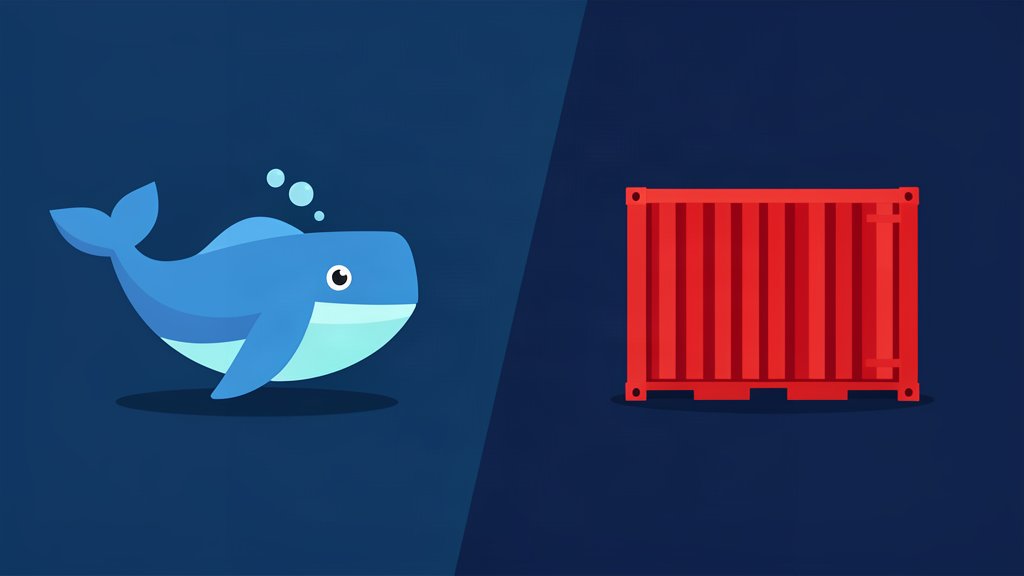
The Docker vs Podman decision is less about ideology and more about which runtime model, security posture, and operational habits fit your team.

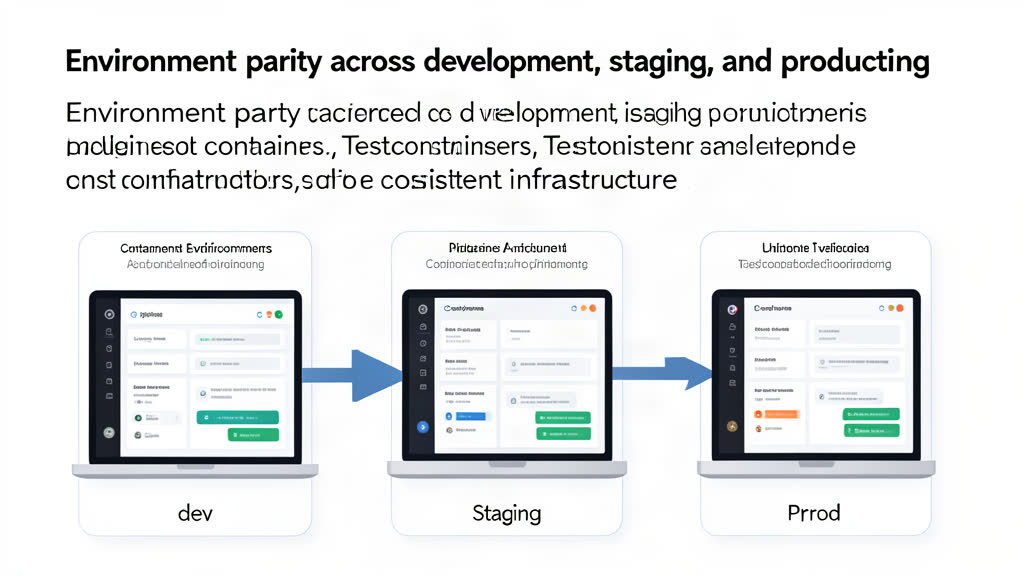
Docker reduces environment drift by giving teams one repeatable runtime for local development, staging, and production.

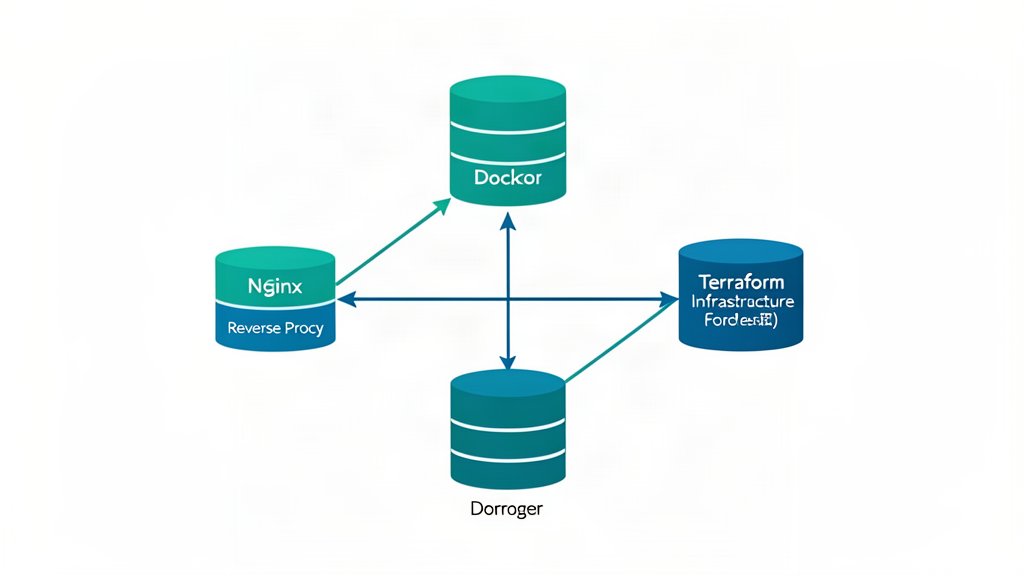
Nginx, Docker, and Terraform create a small infrastructure stack that stays understandable as the system grows.