A small infrastructure stack becomes useful when every layer has a job the team can explain.
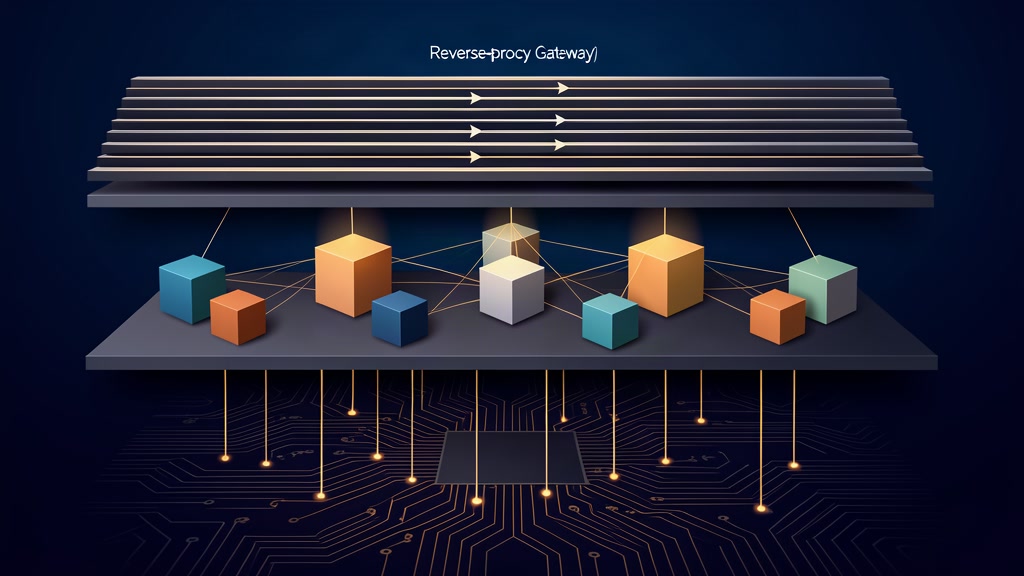
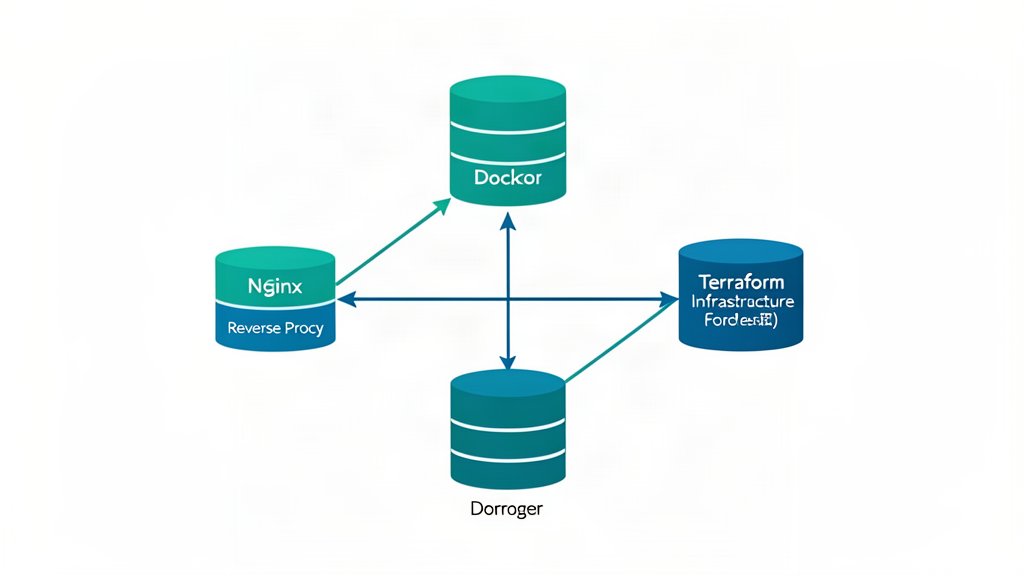
Nginx handles routing, TLS, and the public edge. Docker or Podman packages the application and supporting services. Terraform keeps the infrastructure repeatable so the environment does not depend on manual server work.
Keep The Layers Clean
If Nginx handles the web entry point, do not let the application layer become a second reverse proxy. If Docker handles the runtime, do not mix the deployment rules into the image itself. If Terraform manages the infrastructure, keep the runtime configuration outside the provisioning layer.
The current Nginx docs still describe the project in a way that fits this stack well: web server, reverse proxy, cache, load balancer, and TCP/UDP proxy. Docker, meanwhile, has doubled down on hardened images, supply chain security, and a cleaner container ecosystem. Terraform remains the infrastructure-as-code layer that keeps environments reproducible.
That makes the stack easy to reason about:
- Nginx routes traffic.
- Docker packages the runtime.
- Terraform provisions the environment.
Add Automation Gradually
Ansible, Kubernetes, or cloud-specific services can come later if the stack needs more scale. For many projects, though, Nginx plus containers plus Terraform is enough to stay stable.
If the project later needs more hardening, Docker Hardened Images and a stricter deployment pipeline are usually a better next step than jumping straight to more orchestration complexity.
Keep Recovery Simple
Every small stack should have a recovery path the team can actually follow.
If a deploy goes wrong, it should be obvious whether the fix belongs in the image, the proxy config, or the Terraform code. That kind of clarity is more valuable than a larger toolchain.
Practical Rule
Prefer a stack the team can recover from quickly. Infrastructure is better when the recovery path is obvious.
Related areas
Related What I Do
These What I Do pages are matched from the subject matter of this article, creating a cleaner path from educational content to implementation work.
Continue reading
Related articles
Based on shared categories first, then the strongest overlap in tags.