How Podman Compose Works and When to Use It
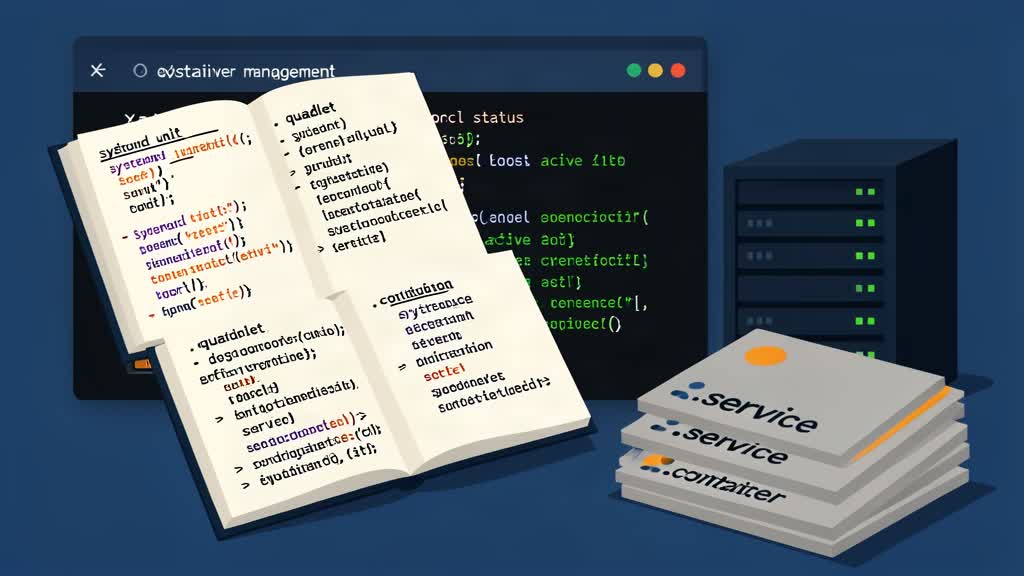
Podman Compose is useful for local multi-service workflows, but the important detail is that podman compose is a thin wrapper around an external Compose provider rather than a separate orchestration layer.
Tag
6 matching blog articles with repeat coverage under this topic.
Tag wiki
Definition
Containers package applications with their dependencies so software can run more consistently across local, test, and production environments.
Why it matters
They matter when predictable environments, portable deployments, service isolation, and infrastructure automation are necessary for delivery.
In this archive
In this archive containers show up in deployment, environment consistency, operations, and infrastructure design discussions. It currently appears across 2 categories, mainly Infrastructure & DevOps, Updates.
Often appears with
Podman Compose is useful for local multi-service workflows, but the important detail is that podman compose is a thin wrapper around an external Compose provider rather than a separate orchestration layer.
The Docker vs Podman decision is less about ideology and more about which runtime model, security posture, and operational habits fit your team.
Podman becomes especially practical when you use it for rootless containers, explicit service management, and small workloads that do not need heavy orchestration.
Podman is a daemonless container engine with strong rootless support, and that makes it a practical fit for teams that want simpler container operations and tighter Linux integration.
Docker reduces environment drift by giving teams one repeatable runtime for local development, staging, and production.
Ubuntu 26.04 LTS improves the security, container, and retrieval layers that AI teams keep fighting during development and deployment.