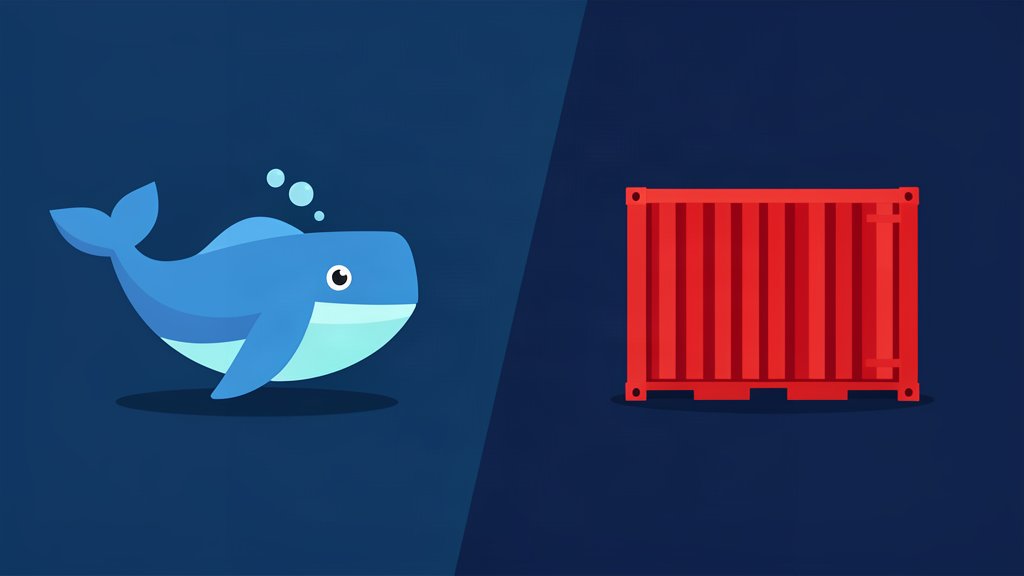
Podman matters because it solves a real operational preference, not because it tries to copy the loudest container platform.
Some teams want containers without a long-running central daemon, better rootless behavior, and cleaner integration with the Linux model they already understand. That is where Podman starts to make sense.
The official Podman docs still describe it in very direct terms: a daemonless, open-source, Linux-native tool for finding, running, building, sharing, and deploying OCI containers and images. The homepage is reinforcing the same message in 2026, with Podman positioned as fast, secure, open, compatible, and Kubernetes-ready.
Podman Is Container Tooling Without the Central Daemon
The clearest practical difference is that Podman is daemonless.
You run container commands directly, and Podman starts the required processes without depending on a background service like the Docker daemon. That changes how some teams think about control, permissions, and failure boundaries.
It does not magically remove complexity, but it can reduce the amount of moving infrastructure around the container runtime itself.
That model is still one of the main reasons Podman remains relevant. It is not a small implementation detail. It is the core operational distinction.
Rootless Operation Is One of the Main Reasons to Care
Podman has become especially relevant because of its rootless workflow.
For many Linux-first setups, that is more than a security talking point. It means developers and operators can often run containers without defaulting to privileged workflows for routine tasks. The official docs explicitly support both root and non-privileged users, which is exactly why Podman is often evaluated first in environments where least privilege matters.
That is useful when you want:
- less dependence on elevated access,
- clearer user-level ownership of container processes,
- a runtime that feels more aligned with standard Linux permissions.
This alone makes Podman attractive for small teams, individual developers, and security-conscious server setups.
The Compatibility Story Is Good Enough for Many Teams
Podman is not useful only when you rebuild everything around it.
In practice, many teams care because it works with common container habits: OCI images, registries, Dockerfile-style builds, and a CLI that feels familiar enough for many day-to-day tasks. Podman docs still note that many users can alias docker=podman without major issues, which explains why the switching cost is often manageable for straightforward workflows.
The point is not that Podman and Docker are identical. They are not. The point is that Podman is close enough in the common workflow areas that teams can evaluate it without redesigning their entire stack first.
The homepage is also making a broader compatibility pitch in 2026: OCI compliance, support for legacy Docker containers and compose-style workflows, and integration with tools like VS Code, GitHub Actions, Kind, Buildah, and Skopeo.
Where Podman Fits Best
Podman is strongest when the environment is already biased toward Linux clarity and explicit operations.
It tends to fit well when you want:
- rootless local development or server-side workloads,
- systemd-friendly service management,
- smaller self-managed infrastructure,
- a container runtime that feels closer to the operating system.
It also fits when pods and Kubernetes YAML matter but full Kubernetes adoption does not. Podman continues to emphasize pod management and the ability to play Kubernetes YAML directly, which makes it more than a one-container developer utility.
That does not mean every workflow should move to Podman. It means Podman is a good fit when the team values operational simplicity more than ecosystem habit.
Bottom Line
Podman fits when you want containers without centering everything around a daemon-managed model. If your team values rootless execution, Linux-native service management, pod support, and a smaller runtime surface, Podman is worth serious consideration.
References: Podman and Podman Documentation.
Related areas
Related What I Do
These What I Do pages are matched from the subject matter of this article, creating a cleaner path from educational content to implementation work.
Continue reading
Related articles
Based on shared categories first, then the strongest overlap in tags.