 Goran Štimac
Feature Flags in Practice: Tools and Workflows
A practical feature-flag workflow: choose a portable API, roll out changes gradually, and retire flags before they become operational debt.
Category
21 matching blog articles. Articles on automation design, integrations, webhooks, and workflow scaling.
Category wiki
Definition
Automation patterns for connecting systems and removing repetitive tasks.
What belongs here
Articles land in Automation & Integrations when the main subject is workflow automation, integrations, and internal tooling that reduce manual work..
How to read it
Treat this category as the broad lane first, then use tags to narrow that subject down to the concrete technologies, platforms, or patterns used inside it.
Common tags in this category
A practical feature-flag workflow: choose a portable API, roll out changes gradually, and retire flags before they become operational debt.
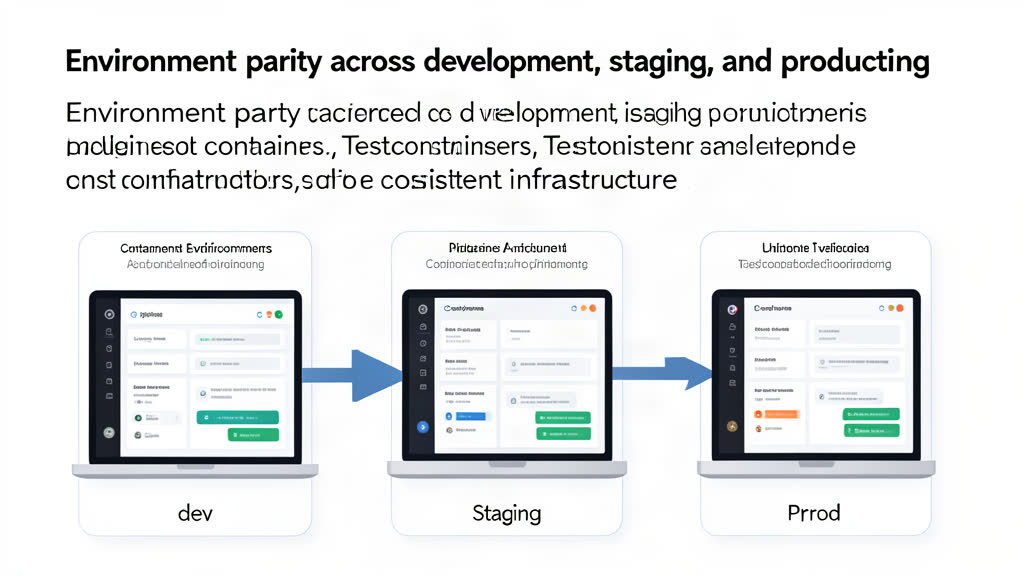
Containers make dev/prod parity practical: one Compose definition across dev, CI, staging, and production, pinned image versions, real-dependency tests, and CI/CD environment gates.
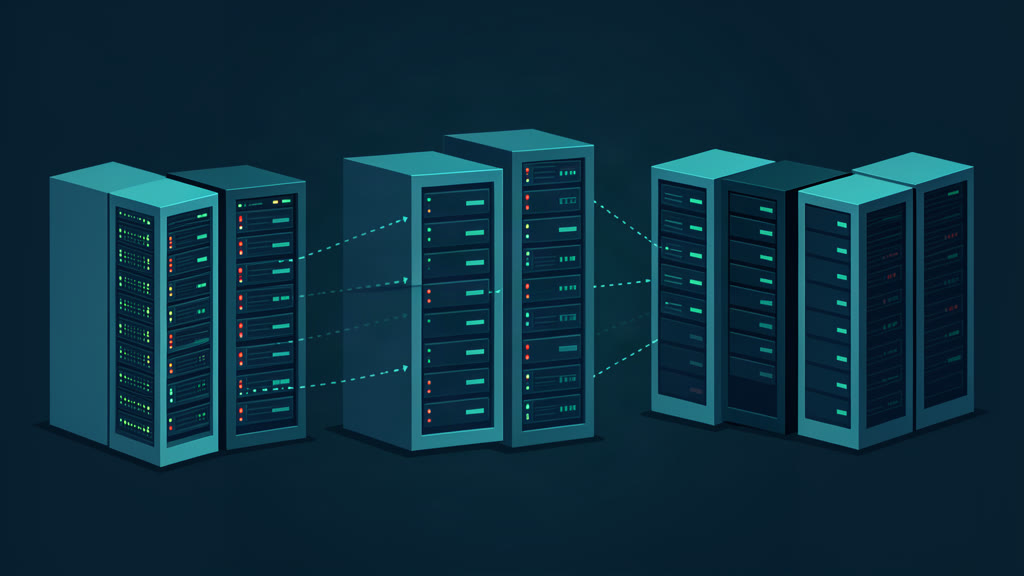
Infrastructure drift is the gap between declared and live state. See how IaC and GitOps tooling detects differences, applies policy, and keeps remediation reviewable.

A practical commentary on Nick Janetakis's Docker Compose production talk, covering configuration patterns, operational safeguards, and the limits of a 2021 single-host approach.
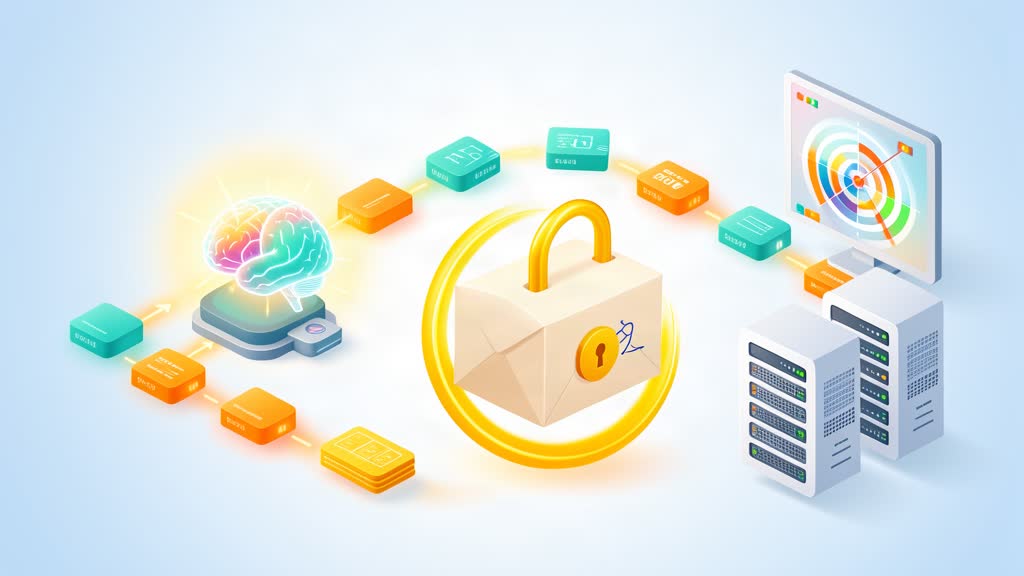
A practical guide to webhook architecture for AI-triggered workflows — covering delivery guarantees, retry strategies with exponential backoff, idempotency keys, payload signing, and monitoring patterns.
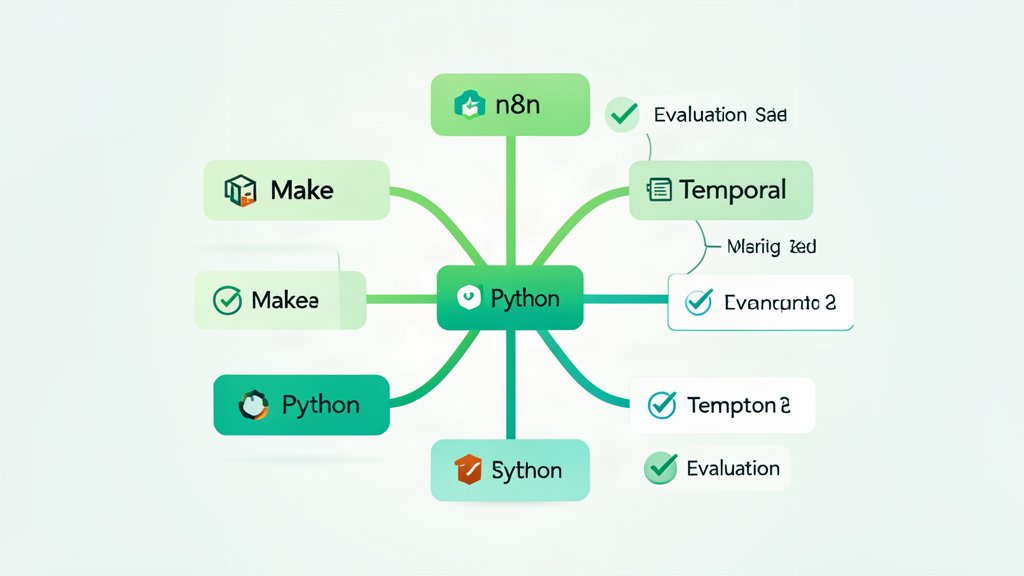
A five-dimension decision framework for choosing between n8n, Make, Temporal, and a custom Python worker — covering pricing, latency, team skill set, compliance, and integration ecosystem.
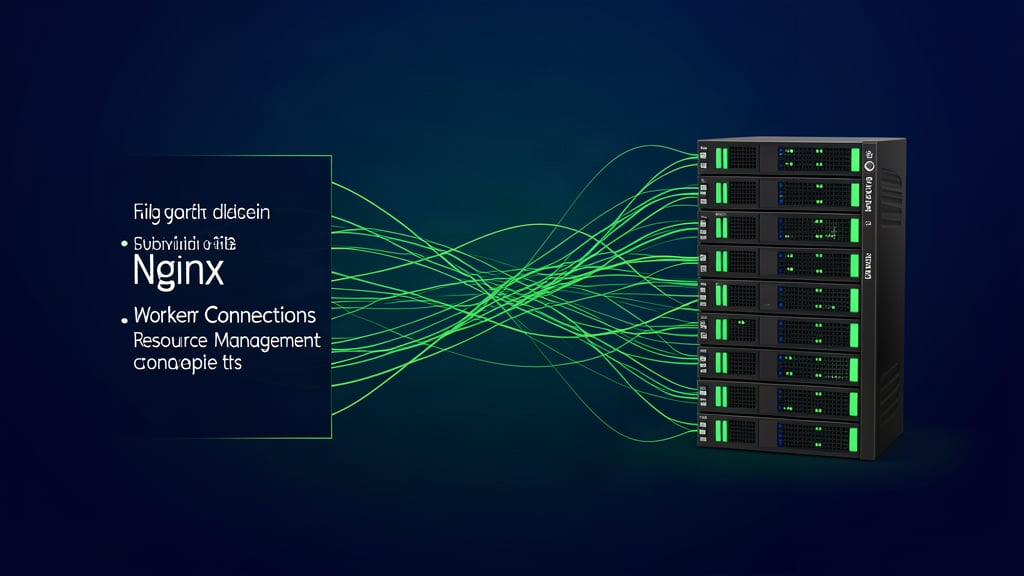
A practical guide to managing open file descriptor limits and configuring nginx worker_connections for production deployments, covering systemd overrides, SSH session limits, and zero-downtime graceful reloads.
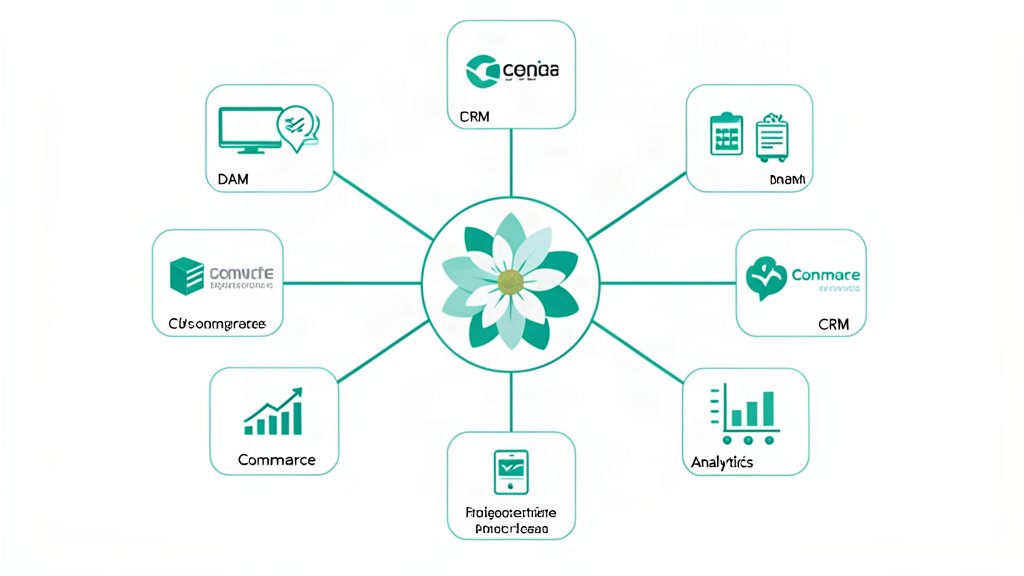
Magnolia's integration framework becomes valuable when teams need DAM, commerce, CRM, analytics, and optimization systems to feel like part of one publishing platform instead of a pile of custom glue code.
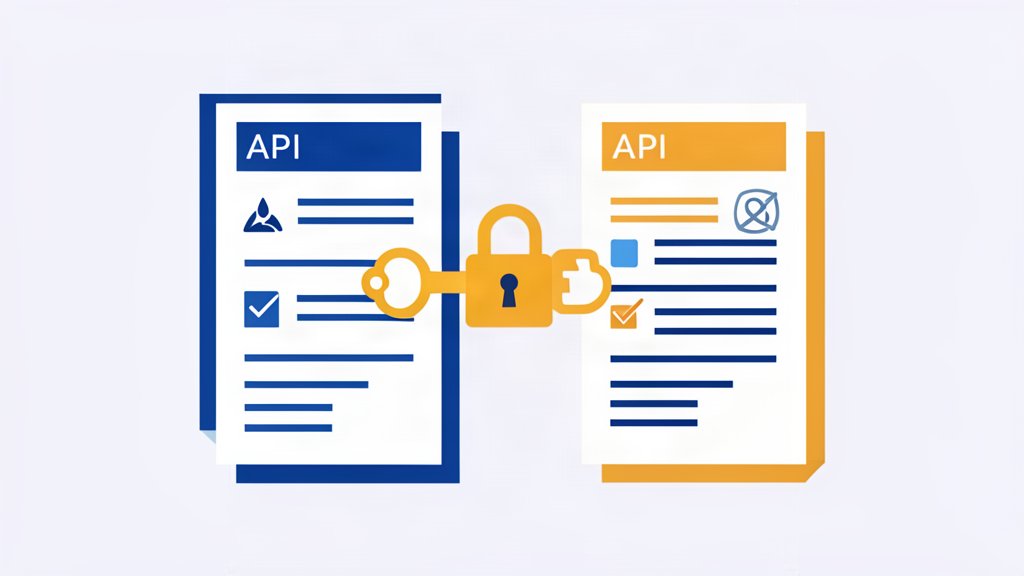
OpenAPI describes the contract and OAuth scopes describe the permission model, which makes API handoffs less ambiguous.
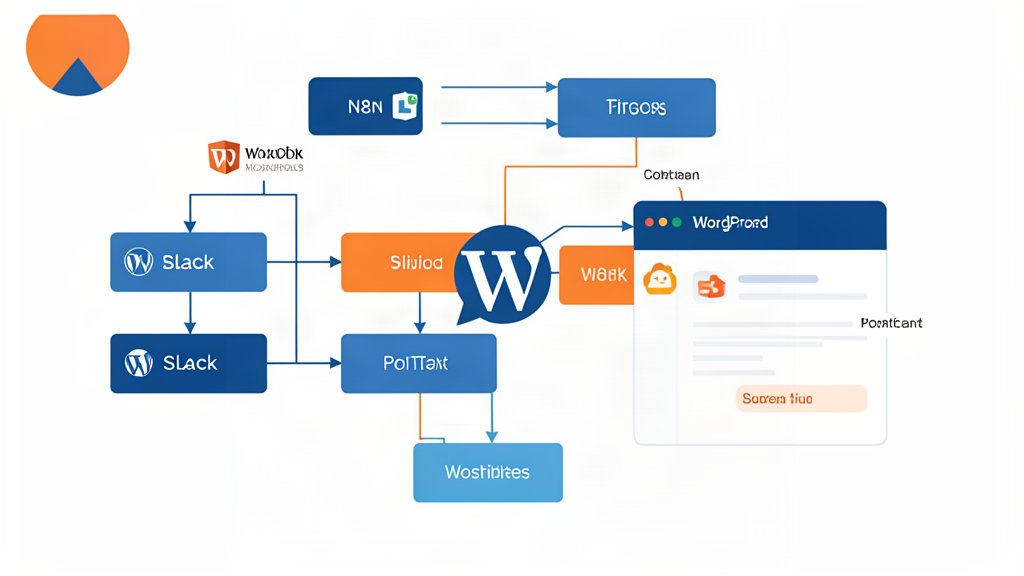
WordPress publishing gets easier when content changes, status updates, and team notifications all travel through one automation layer.
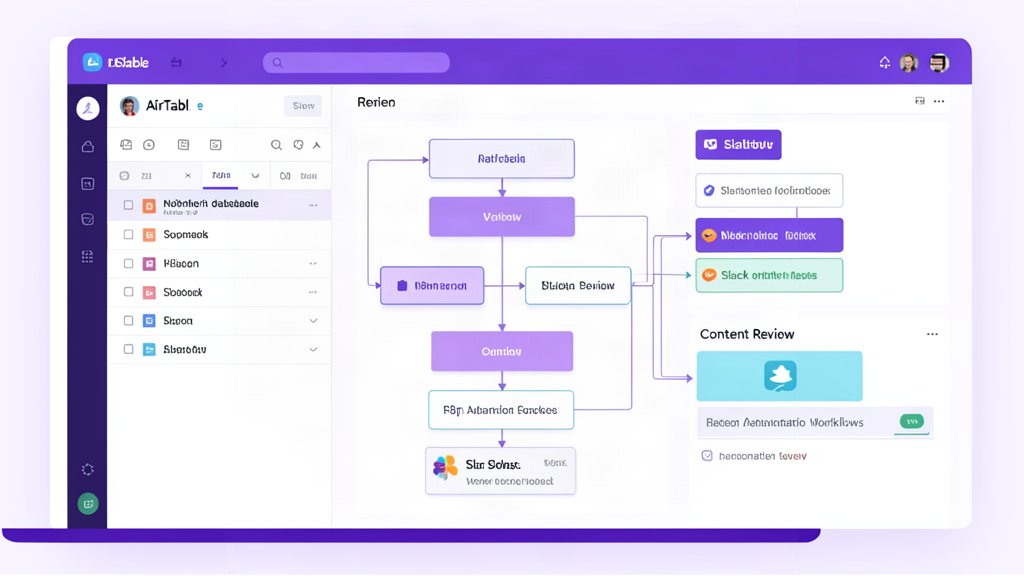
Airtable and n8n are a strong fit when service-page updates need structure, review, and reliable handoff between people.
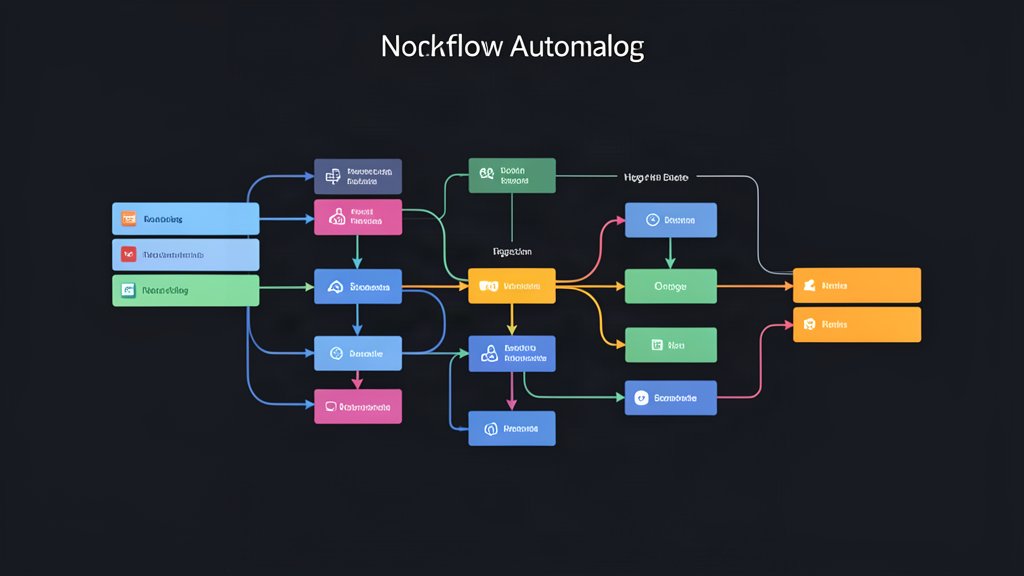
Notion API and n8n are a strong low-code pair when a team wants structured content, simple workflows, and less manual copy-paste work.
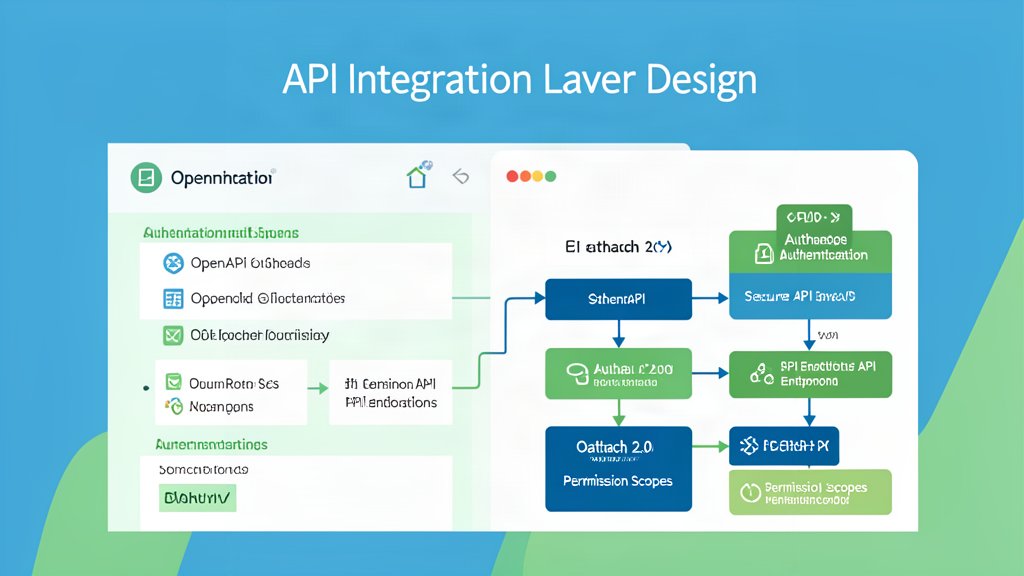
OpenAPI and OAuth 2.0 work best together when the integration layer is documented, testable, and clear about permissions.
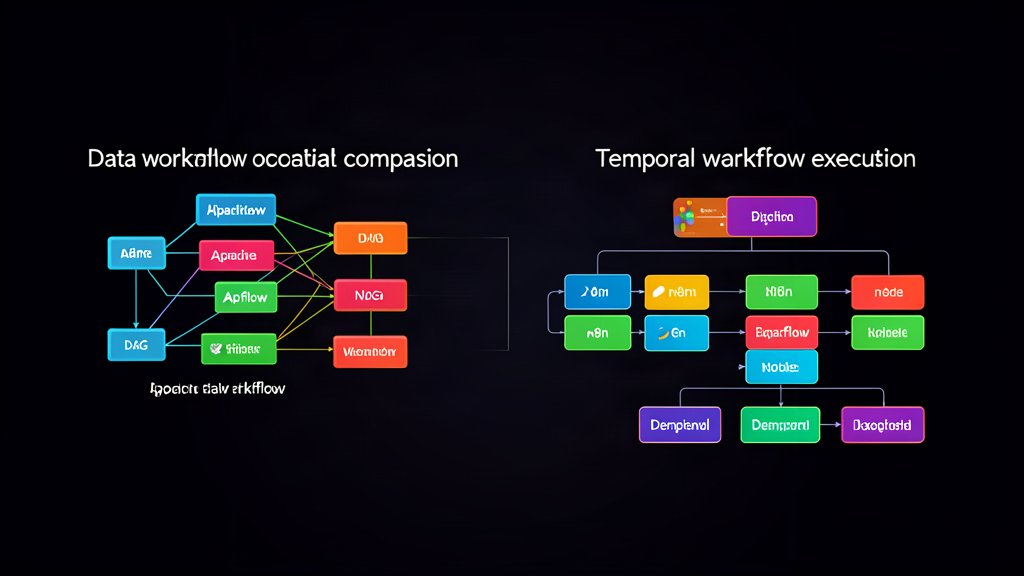
Airflow is the better choice when the work is data-first, scheduled, and built around DAGs, retries, and operator-driven orchestration.
Pipedream, Make, and Retool solve different integration problems, and they work best when the use case is clear from the beginning.
n8n, Zapier, and Make each fit a different automation style, so the best choice depends on control, speed, and maintenance.

Temporal, RabbitMQ, and Kafka solve different automation problems, and they belong in different parts of the stack.
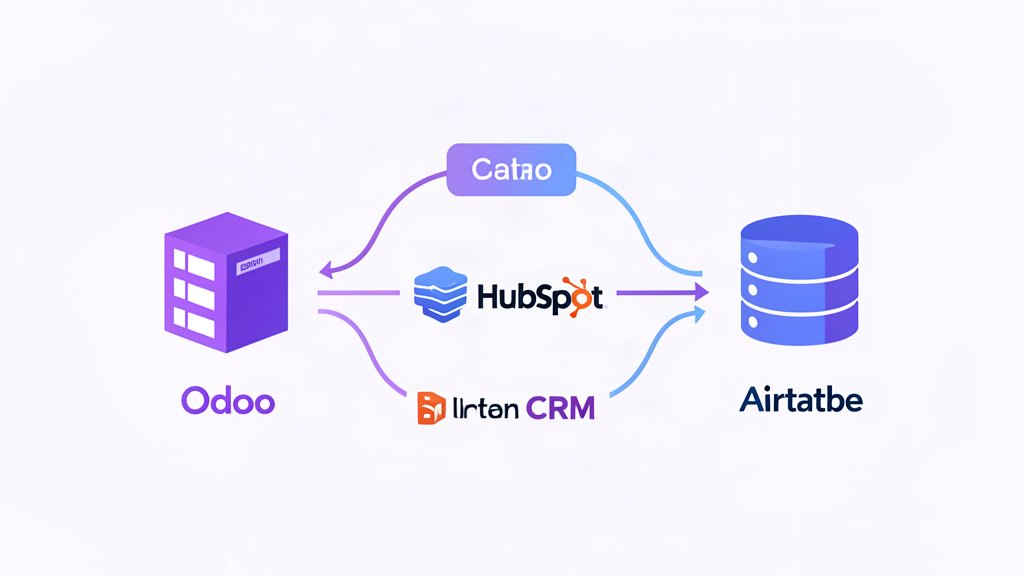
Odoo, HubSpot, and Airtable can work together when each system has a clear role and a shared data model.
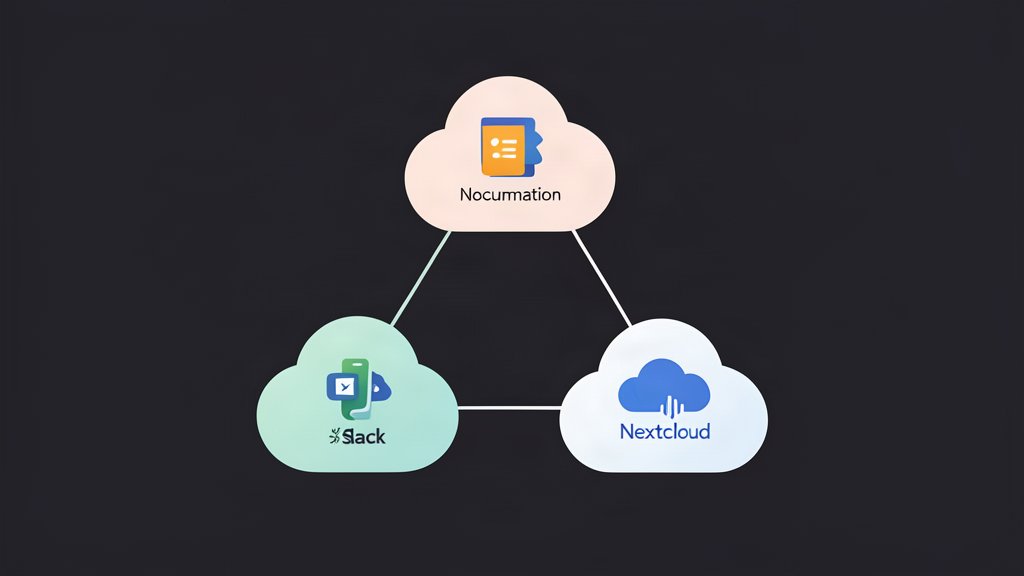
Notion, Slack, and Nextcloud can cover most internal operations when the team wants clarity more than platform complexity.

Prefect and Polars are worth it when a data workflow has retries, dependencies, and analysis work that should not live in a cron script.

Google Merchant Center, Klaviyo, and HubSpot work best when product feed, lifecycle email, and CRM data stay aligned.