
When your AI agent decides to trigger a downstream action — create a ticket, send a notification, start a deployment, update a database — the most common delivery mechanism is still a webhook call. Despite being the oldest pattern in the API integration playbook, webhooks are where AI-triggered workflows fail most often in production. A missed delivery, a duplicate event, or an unauthenticated payload can corrupt data, trigger false alerts, or leave your system in an inconsistent state.
This post covers the architectural decisions that turn webhooks from a simple HTTP POST into a reliable delivery mechanism for AI-triggered workflows: delivery guarantees, retry strategies, idempotency, payload signing, and the monitoring surface you need to trust asynchronous delivery.
Delivery Guarantees: At-Least-Once Is the Minimum
AI workflows cannot tolerate “at-most-once” delivery. If your agent decides to escalate a support ticket and the webhook call fails, the escalation never happens — and your user stays in a queue waiting for a response.
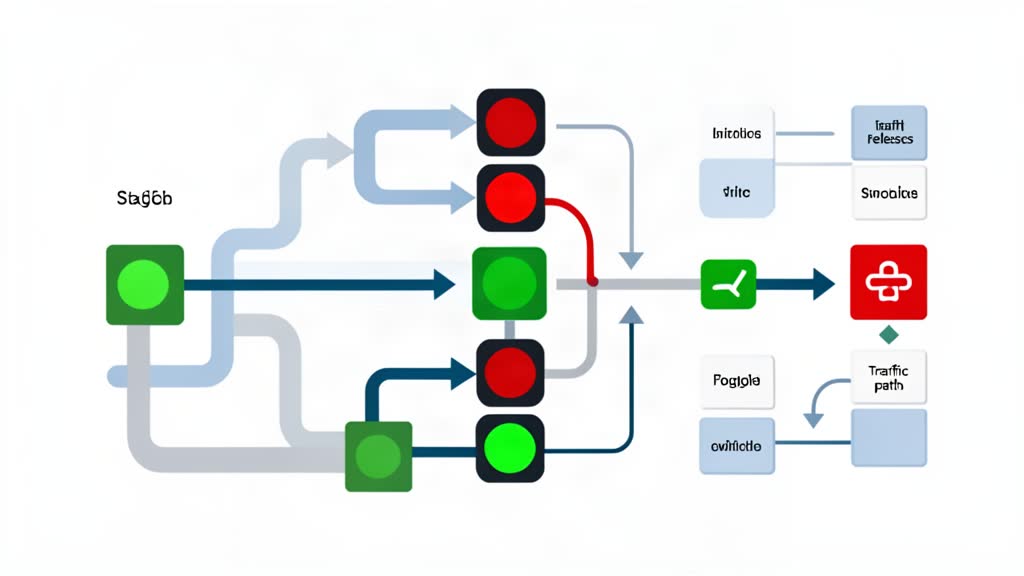
At-least-once delivery is the baseline for production webhooks. The webhook sender retries failed deliveries until the receiver acknowledges receipt with a 2xx status code. The retry window depends on how long the workflow can wait: five minutes for notification webhooks, up to 24 hours for batch-processing workflows.
Exactly-once delivery is the ideal but requires both sender-side deduplication (idempotency keys) and receiver-side idempotency processing. Most webhook systems approximate exactly-once by combining at-least-once delivery with idempotent receivers.
Retry Strategy: Exponential Backoff with Jitter
A linear retry every 30 seconds is the worst possible strategy — it guarantees that every webhook call hits the receiver at the same moment it is already overloaded. Exponential backoff spreads retries over time and gives the receiver a chance to recover.
A production retry schedule looks like this:
| Attempt | Delay (exponential backoff) | Total elapsed |
|---|---|---|
| 1 | Immediate | 0s |
| 2 | 10 seconds | 10s |
| 3 | 30 seconds | 40s |
| 4 | 90 seconds | 2m 10s |
| 5 | 270 seconds (4.5 min) | 6m 40s |
| 6 | 810 seconds (13.5 min) | 20m 10s |
| 7 | 2,430 seconds (40.5 min) | 1h 0m 40s |
| 8 | 7,290 seconds (2h) | 3h 0m 40s |
With jitter applied (randomising each delay by ±20%), the retries avoid thundering-herd scenarios where all delayed webhooks arrive at once after the receiver recovers.
When to stop retrying. Set a maximum retry count of 8–10 attempts or a maximum elapsed time of 3–6 hours, whichever comes first. After exhausting the retry budget, move the failed webhook to a dead-letter queue (DLQ) for manual inspection rather than discarding it. A DLQ entry should include the full payload, the attempt history with status codes, and the run ID of the AI agent that triggered it.
Idempotency: The Webhook That Arrives Twice Must Not Execute Twice
Network failures make duplicate webhook deliveries inevitable. The sender retries because it never received a 2xx — but the receiver may have processed the request before the connection dropped. The next retry delivers a duplicate.
Idempotency keys solve this. The sender generates a unique key for each webhook event (typically a UUID based on the trigger event ID and the target endpoint). The receiver stores processed idempotency keys in a key-value store with a TTL equal to the sender’s retry window. When the receiver sees a key it has already processed, it returns a 200 status with the previous response without re-executing the workflow.
The key design decisions are:
- Key generation. Use a deterministic function of the trigger event. If the same AI decision produces the same webhook payload, it should produce the same idempotency key so that genuine retries are deduplicated.
- Key storage TTL. Match the sender’s retry window plus a safety margin (e.g., 24 hours for a 6-hour retry window). Longer TTLs consume more storage but protect against late-arriving duplicate deliveries.
- Storage backend. Redis with TTL-based expiry is the most common choice. For higher durability, use a database table with a unique constraint on the idempotency key column.
Payload Signing and Verification
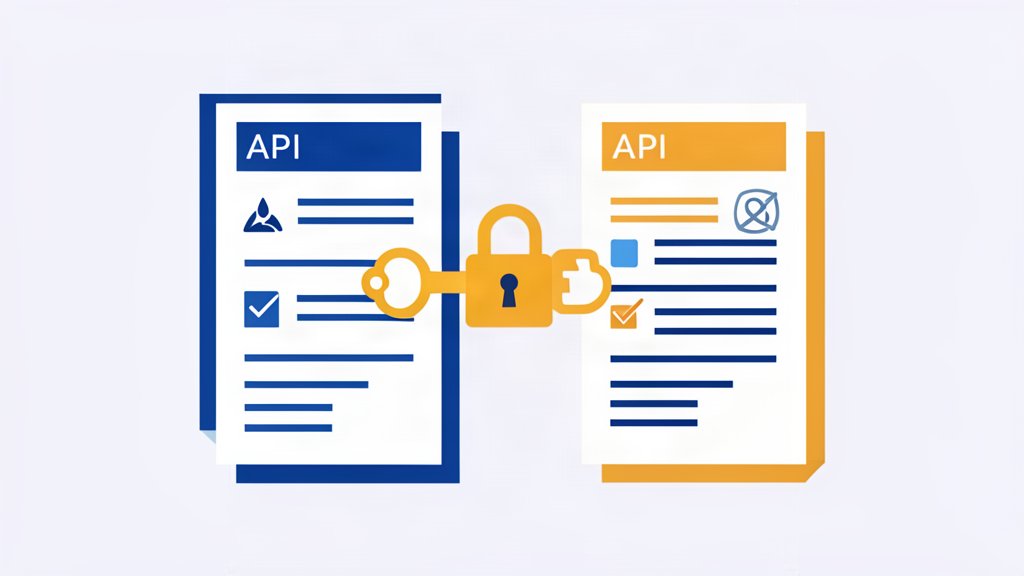
Without payload signing, any attacker who discovers your webhook URL can forge events. Webhook signing uses a shared secret to create an HMAC signature of the request body, which the receiver verifies before processing.
Implementation pattern. The sender computes HMAC-SHA256(secret, request_body) and sends the result in a X-Signature-256 header. The receiver computes the same HMAC on the raw request body and compares it to the header value. A constant-time comparison prevents timing attacks.
Rotation strategy. Rotate the signing secret periodically (every 90 days by default, immediately after any suspected compromise). Maintain two active secrets during rotation — one for verification of in-flight deliveries, one for new deliveries — and retire the old secret after the overlap window expires.
Monitoring the Webhook Pipeline
Webhooks are asynchronous — by the time you notice a delivery failure, the downstream workflow may already be in an inconsistent state. Monitor these signals:
- Delivery success rate per endpoint. A rate below 99.5% over a 5-minute window warrants investigation. Segment by HTTP status class: 4xx errors point to receiver-side problems (bad payload, expired certificate), 5xx and timeouts point to receiver availability.
- Retry distribution. A rising fraction of deliveries that succeed only on retry 3+ signals a chronic receiver issue. The receiver may be healthy for the first attempt and degrade under load from other senders.
- DLQ depth and age. A growing dead-letter queue means retries are exhausting before the receiver recovers. The average age of items in the DLQ tells you whether the issue is acute (all failures from the last hour) or chronic (failures accumulating over days).
- Idempotency key collision rate. A collision rate above 0.1% suggests the key generation function is producing duplicates for distinct events — a bug that silently suppresses valid workflow executions.
- Signature verification failure rate. A spike in verification failures usually means the receiver’s secret store is out of sync with the sender’s. Automate secret rotation with a notification channel so both sides update simultaneously.
Conclusion
Webhook delivery for AI-triggered workflows is a reliability engineering problem, not an API design problem. At-least-once delivery with exponential-backoff retries covers transient failures. Idempotency keys prevent duplicate execution when retries succeed. Payload signing prevents forgery when your webhook URL leaks. And the monitoring surface above ensures you see delivery degradation before it becomes a data-inconsistency incident.
The production webhook primitives described here — idempotency key middleware, signed delivery, DLQ routing, and per-endpoint delivery dashboards — should be built into your workflow engine or API gateway before your first AI agent calls its first downstream endpoint. Shipping these after the first missed delivery is a reactive fix that will miss the next one.
For a broader look at workflow tooling and orchestration, see The Checklist for Choosing Between n8n, Make, Temporal, and a Custom Python Worker.
Related areas
Related What I Do
These What I Do pages are matched from the subject matter of this article, creating a cleaner path from educational content to implementation work.
Continue reading
Related articles
Based on shared categories first, then the strongest overlap in tags.