Feature flags make releases smaller and easier to reverse when they do not become a second configuration system. Use a stable decision point, a controlled rollout, and a removal date.
For the decision point, OpenFeature is a useful reference. It is a CNCF incubating, vendor-neutral specification and SDK standard that keeps application code from coupling every call site to one proprietary backend.
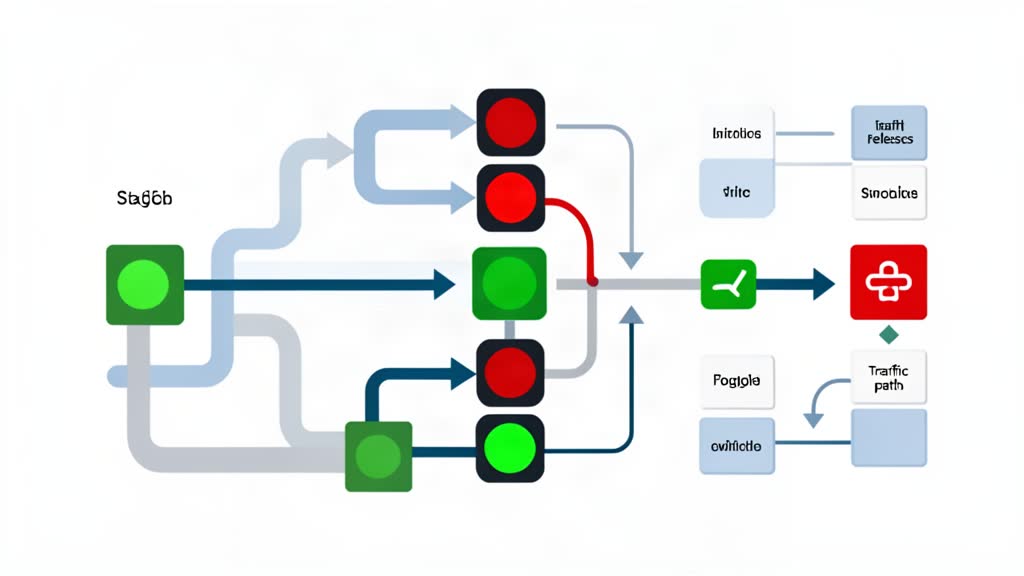
For delivery, start with the flag off and expose the change to a small audience or percentage of traffic. Progressive delivery limits the blast radius while you watch errors, latency, and business signals. Keep a kill switch, and record the owner and evidence required before increasing rollout scope.
Lifecycle discipline prevents feature-flag debt. Give every flag an owner, purpose, creation date, and removal condition. Review old flags: a forgotten toggle adds testing branches and another failure vector. Treat the flag as temporary release infrastructure, not permanent product architecture. See the GrowthBook rollout guide and Swetrix best-practice notes.
Related areas
Related What I Do
These What I Do pages are matched from the subject matter of this article, creating a cleaner path from educational content to implementation work.
Continue reading
Related articles
Based on shared categories first, then the strongest overlap in tags.