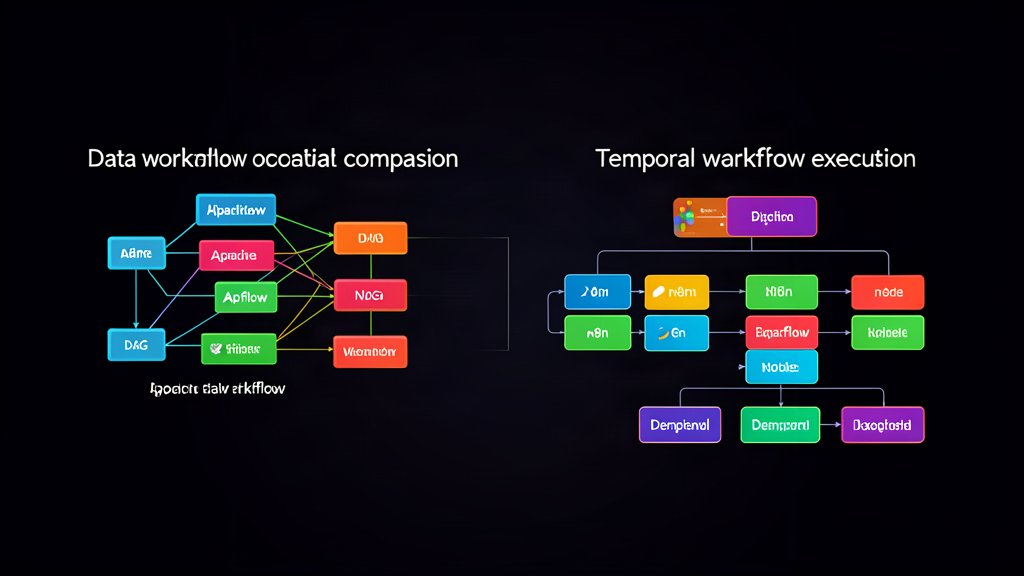
Apache Airflow is the right tool when the workflow is really a data pipeline.
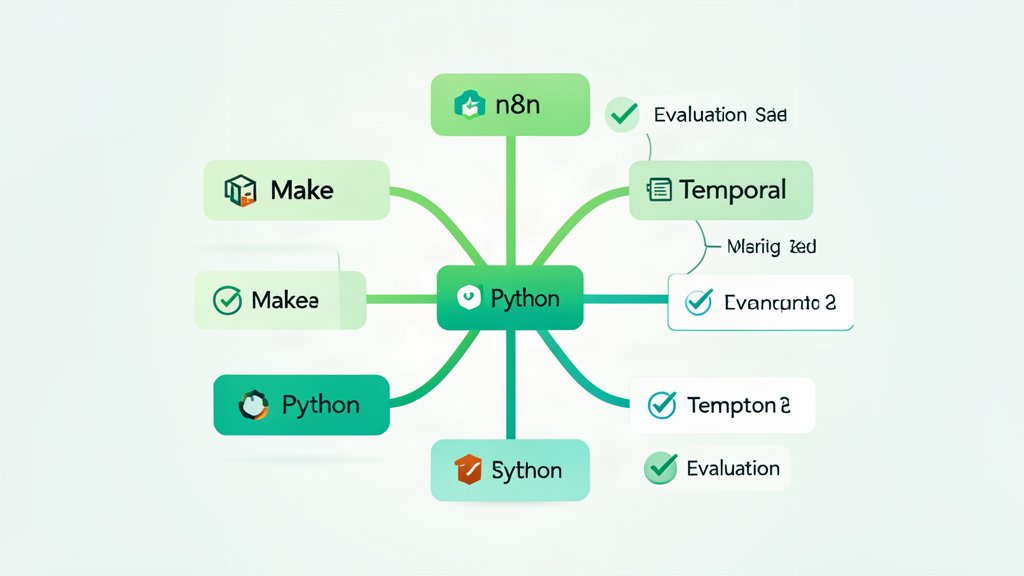
That is the main point. n8n is often better for app integrations and lightweight automation. Temporal is often better for durable application workflows. Airflow is strongest when the team needs scheduling, DAG visibility, retries, and a Python-native approach to orchestration across jobs and providers.
What Airflow Is Used For
Airflow is commonly used for:
- ETL and ELT pipelines.
- Scheduled data refreshes.
- Cross-system batch jobs.
- Data quality and transformation sequences.
It is a pipeline orchestrator first, not a general automation tool.
Current Direction
The Airflow docs now highlight the core platform, the Task SDK, Airflow CTL, the Docker stack, and the Helm chart. That is a useful signal. It shows the project is still very much about production deployment, operator access, and stable authoring interfaces for DAGs.
The provider ecosystem is also still a major part of the story. Airflow remains strong because it connects to a very wide range of systems without forcing the team to write everything from scratch.
When It Beats n8n
Choose Airflow instead of n8n when:
- The workflow is scheduled and data-heavy.
- The team needs DAGs and clear job lineage.
- The work belongs in a data platform rather than a business app.
When It Beats Temporal
Choose Airflow instead of Temporal when:
- The primary concern is batch orchestration.
- Analysts and data engineers need to understand the DAG.
- The workflow does not need long-lived interactive state.
Practical Rule
Use Airflow when the work looks like a pipeline and not like a user-facing business process. The moment the goal becomes “orchestrate data at a predictable cadence,” Airflow starts to make more sense than a generic automation tool.
Official resources: Apache Airflow Docs and Apache Airflow Blog.
Related areas
Related What I Do
These What I Do pages are matched from the subject matter of this article, creating a cleaner path from educational content to implementation work.
Continue reading
Related articles
Based on shared categories first, then the strongest overlap in tags.