 Goran Štimac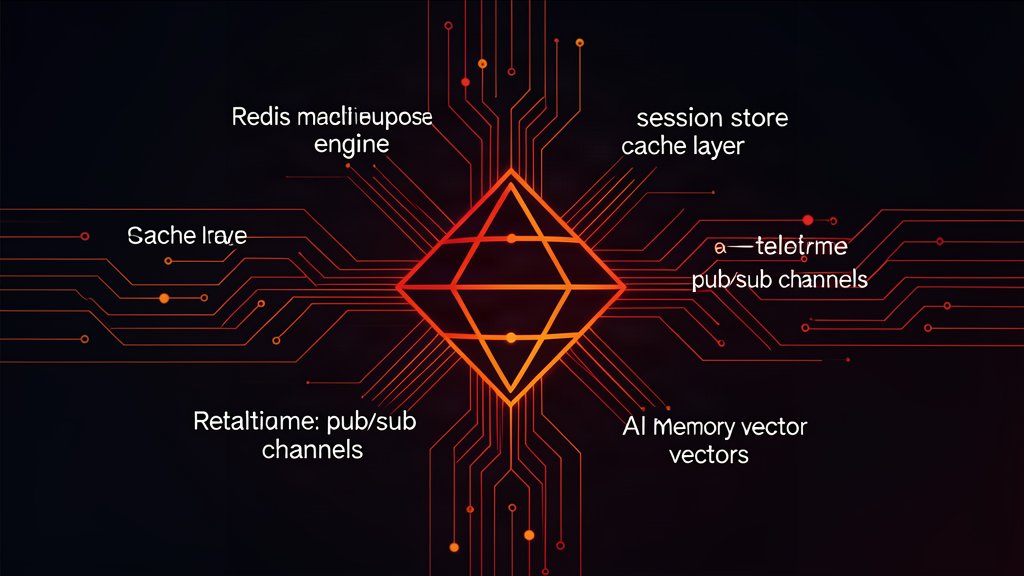
Redis is no longer just a cache.
It still does that well, but the current docs make the wider picture clear: Redis is also used for realtime data, vector search, semantic cache, token storage, queues, and AI-oriented state layers. That is why it shows up in app stacks that need speed and short-lived memory.
What Redis Is Used For
- Caching expensive queries.
- Storing sessions and authentication state.
- Powering realtime counters and leaderboards.
- Handling pub/sub and streams.
- Supporting AI memory and vector retrieval.
That range is why Redis shows up in both application and infrastructure conversations.
Current Direction
Redis docs now explicitly group Redis around AI and search, RedisVL, Redis for Kubernetes, Redis Cloud, and a real-time context engine. The product story is not only about raw in-memory speed anymore. It is also about building fast apps, deploying in production, and integrating observability and AI workflows.
The docs also call out LangCache and Redis MCP resources, which shows how directly Redis is being positioned for agent and retrieval workloads in 2026.
When Redis Makes Sense
Use Redis when you need:
- Fast repeat reads.
- Temporary state that should expire cleanly.
- Real-time updates that do not belong in your primary database.
- Semantic cache or lightweight AI memory.
When It Is Not Enough
Redis should not replace the main data model if the data needs strong persistence, complex queries, or reporting. It is a support layer, not the system of record.
Practical Rule
If the app needs speed, short-lived state, or a low-latency memory layer, Redis is still one of the first tools to consider. The newer AI and vector features just make that role broader, not different.
Official resources: Redis Docs, Redis for AI, and Redis for Kubernetes.
Related areas
Related What I Do
These What I Do pages are matched from the subject matter of this article, creating a cleaner path from educational content to implementation work.
Continue reading
Related articles
Based on shared categories first, then the strongest overlap in tags.