Small infrastructure usually starts with direct changes on a server.
That is fine for the first deploy or two, but it becomes risky quickly. Once DNS, reverse proxies, TLS, storage, and app services all exist together, manual changes are hard to track. Terraform is useful because it moves those changes into a reviewable plan.
Turn Infrastructure Into A Change Set
Terraform’s model is simple: declare the infrastructure you want, compare it to the current state, and apply the difference.
That matters because it turns a vague operational request into something concrete. Instead of asking whether a change is safe, you can review what will be created, updated, or destroyed before it happens.
For a small team, that often matters more than raw scale.
Keep The Scope Narrow
Terraform is most effective when it manages the parts of the stack that are genuinely infrastructure:
- servers,
- DNS,
- firewall rules,
- storage,
- load balancing,
- cloud resources.
It is less useful when it starts to absorb application behavior. The boundary should stay clear so the provisioning layer does not turn into a second application config layer.
Reviewability Is The Real Benefit
The best part of Terraform is not that it can create resources.
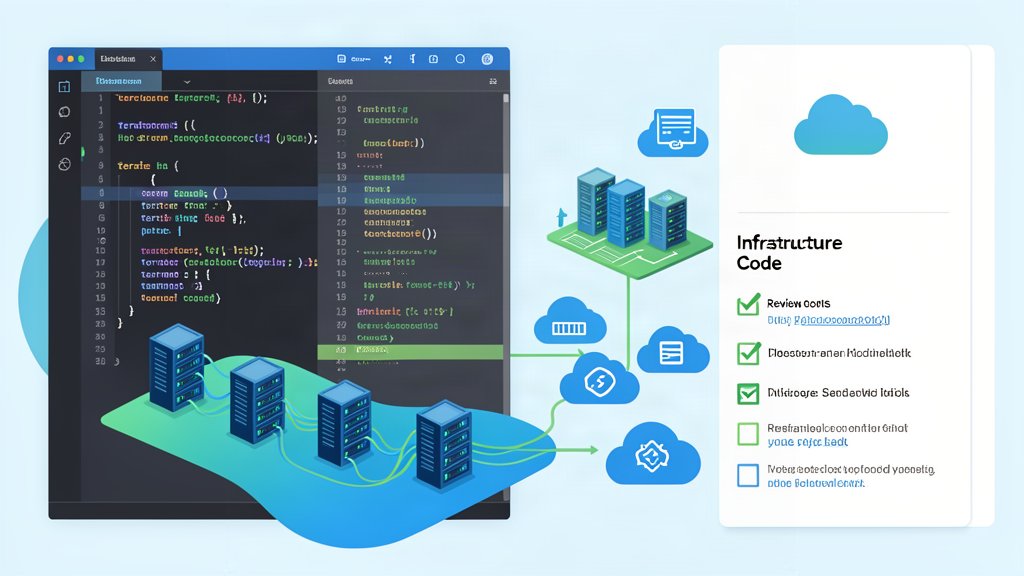
It is that every change can go through the same review process as code. That makes it easier to catch accidental deletions, bad assumptions, and environment drift before they become outages.
For consulting work, that also makes handoff easier. A client does not just get a running server. They get the code that can rebuild the environment.
Drift Still Matters
Terraform is strongest when the live environment is not changing behind its back.
If someone edits the server manually, the next plan will start to disagree with reality. That is a feature, not a flaw. It tells you the infrastructure has stopped matching the source of truth.
The result is a better operating habit: fewer hidden changes, fewer surprises, and less recovery work after the fact.
Bottom Line
Terraform is useful for small infrastructure because it makes change visible. That is enough to improve reliability, even before the stack becomes large.
Reference: Terraform.
Related areas
Related What I Do
These What I Do pages are matched from the subject matter of this article, creating a cleaner path from educational content to implementation work.
Continue reading
Related articles
Based on shared categories first, then the strongest overlap in tags.