

Human-in-the-loop systems are architecture, not a checkbox
Human-in-the-loop AI works only when the review point is designed into the workflow state, risk model, audit trail, and recovery path.
Tag
6 matching blog articles with repeat coverage under this topic.
Tag wiki
Definition
LangGraph is an agent runtime and low-level orchestration framework for designing reliable agents that handle complex tasks with explicit state, memory, control flow, and human-in-the-loop steps.
Why it matters
It matters when agent behavior needs more control than a black-box loop, especially for multi-step workflows, branching logic, approvals, persistence, and production reliability.
In this archive
Here LangGraph is used in stateful agent design, orchestration, memory handling, workflow control, and more deterministic production-oriented LLM systems. It currently appears in 6 articles and crosses 1 category.
Nearest categories
Reference
Often appears with
Human-in-the-loop AI works only when the review point is designed into the workflow state, risk model, audit trail, and recovery path.
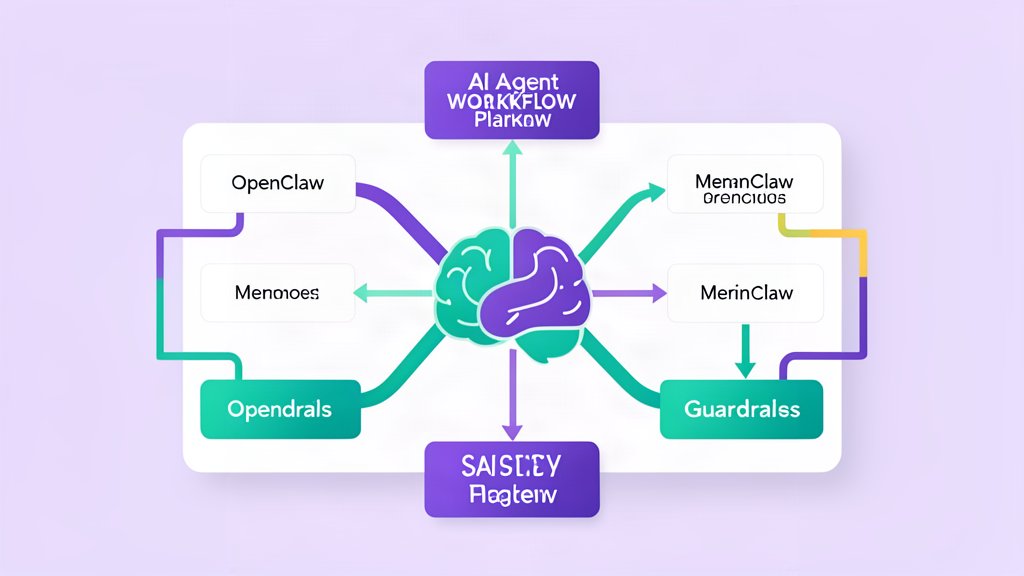
OpenClaw works best when channels, memory, and guardrails are planned as part of the workflow, not added after the first prototype.
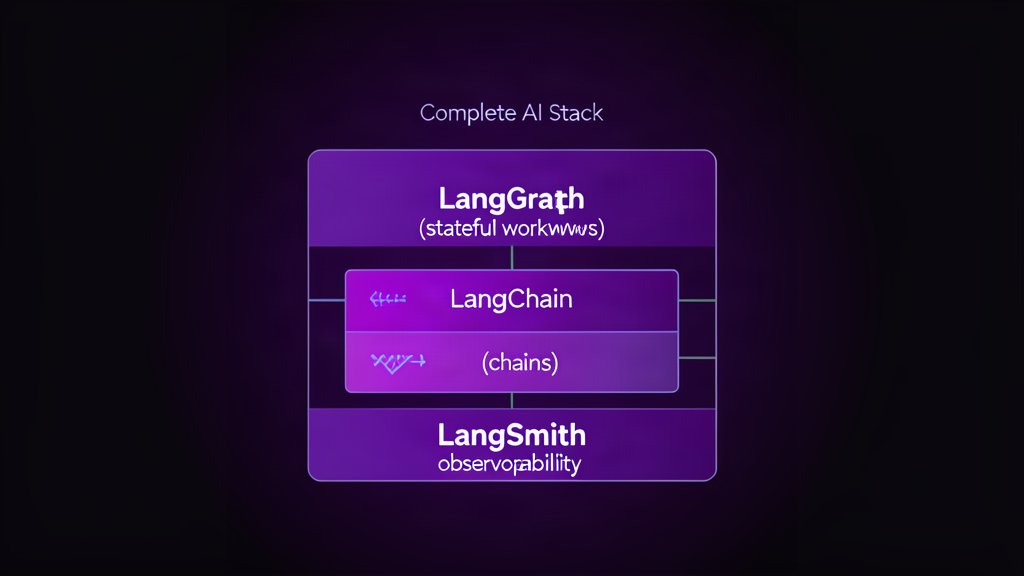
LangChain, LangGraph, and LangSmith solve different problems, and the stack is clearer when each layer has a specific job.
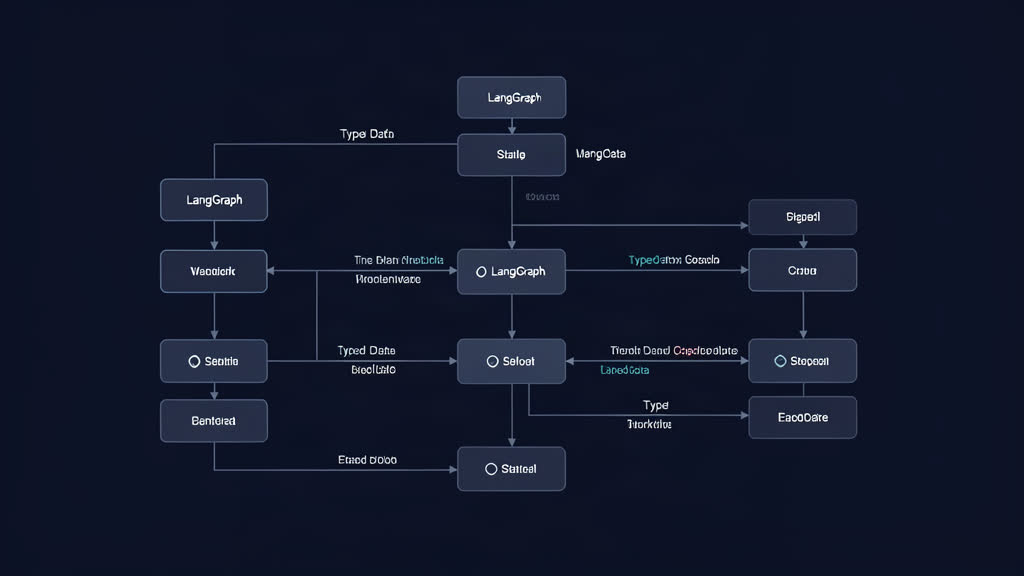
LangGraph v1.1 makes state, streaming, and typed outputs cleaner for agent workflows that need to be reliable and easier to maintain.
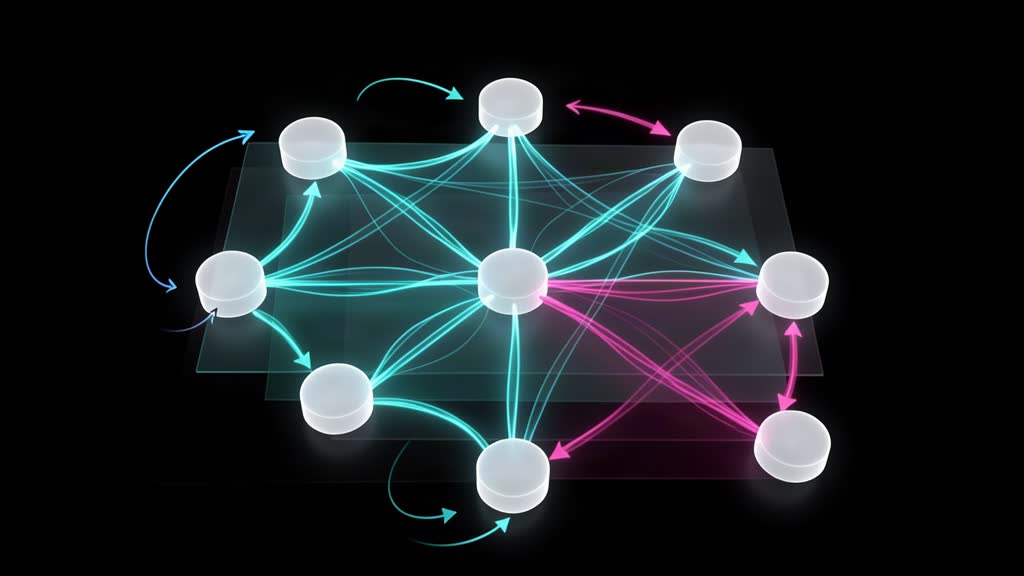
LangGraph is built for long-running, stateful agent workflows where durable execution, human review, and controlled resumption matter.
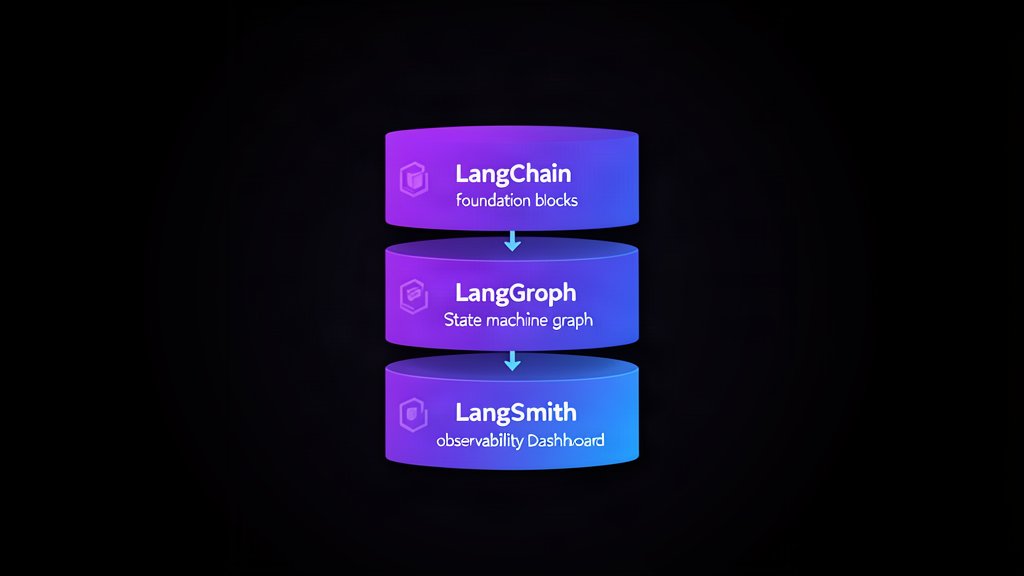
LangChain, LangGraph, and LangSmith solve different problems in the same ecosystem: application building, orchestration, and observability.