
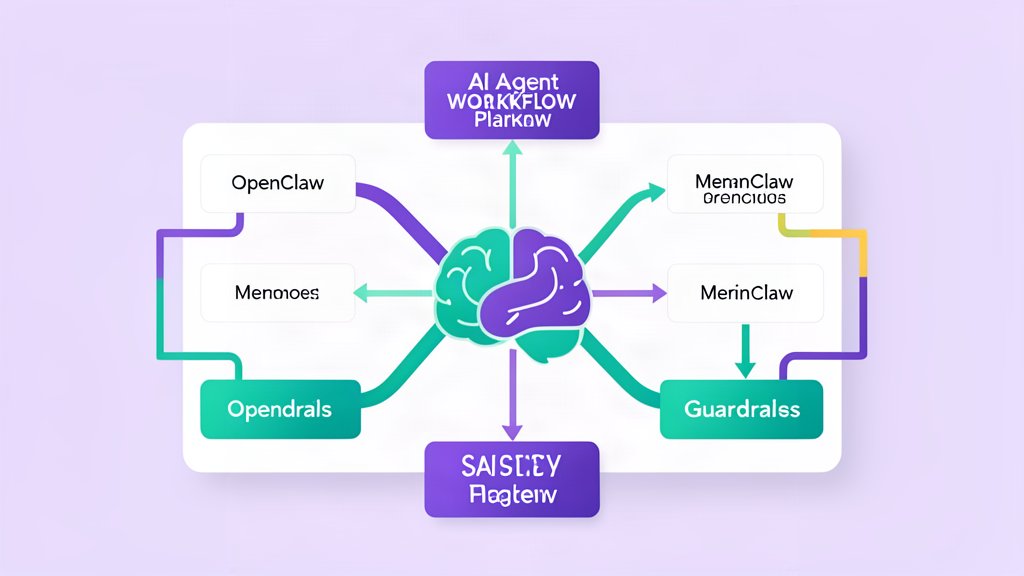
How to Plan an OpenClaw Agent Workflow With Channels, Memory, and Guardrails
OpenClaw works best when channels, memory, and guardrails are planned as part of the workflow, not added after the first prototype.
Tag
7 matching blog articles with repeat coverage under this topic.
Tag wiki
Definition
OpenClaw is an AI-powered code review tool that helps catch issues, provide feedback, and maintain code quality standards.
Why it matters
It matters when code quality and review efficiency are important.
In this archive
Here OpenClaw appears in code review automation, quality assurance, and developer workflows. It currently appears in 7 articles and crosses 1 category.
Nearest categories
Reference
Often appears with
OpenClaw works best when channels, memory, and guardrails are planned as part of the workflow, not added after the first prototype.
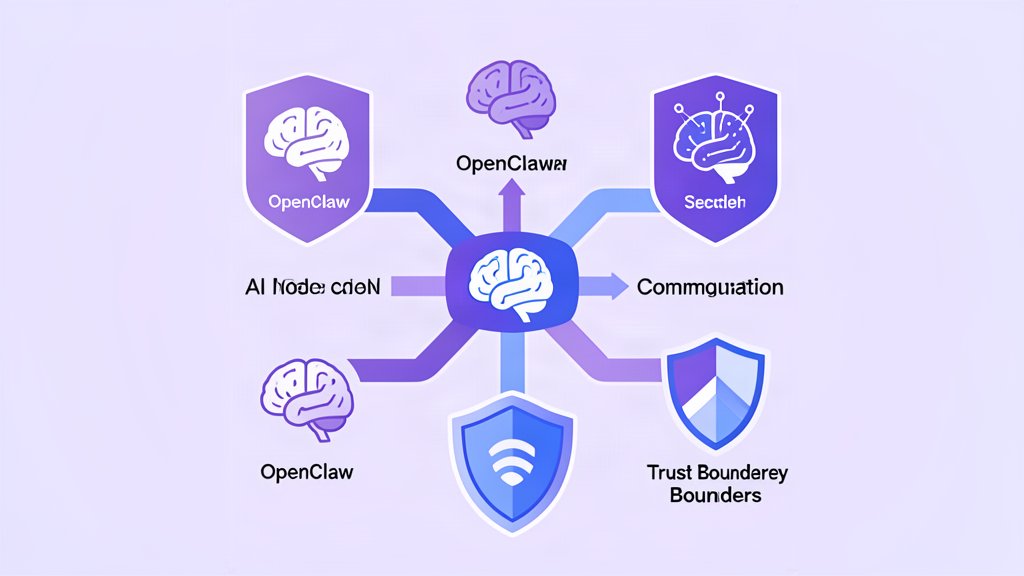
How to decide which OpenClaw channel, model, and trust boundary setup fits personal assistants, team assistants, and more sensitive workflows.
A practical security checklist for OpenClaw deployments, including allowlists, sandboxing, reverse proxies, secrets, and trust boundaries.
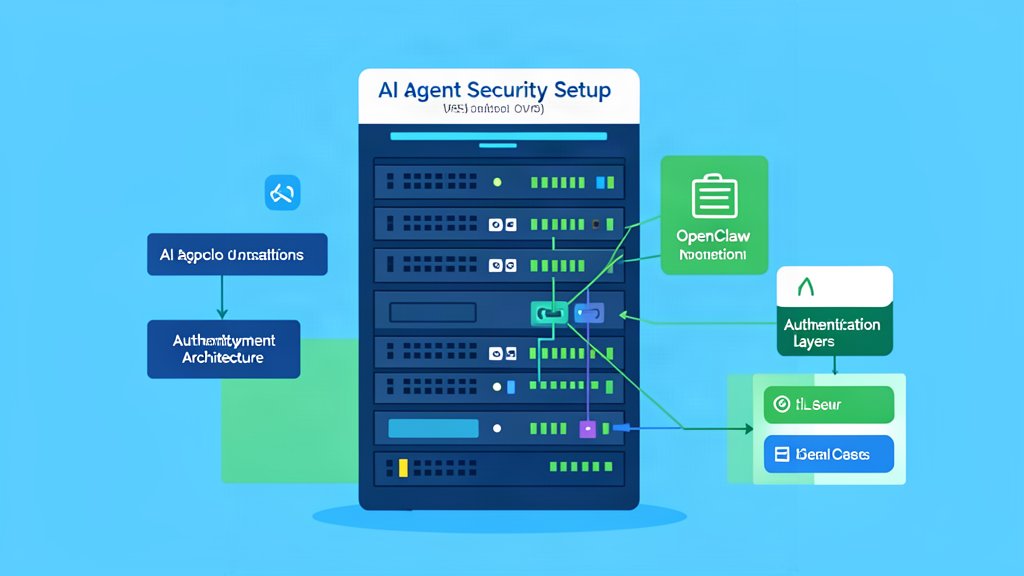
A practical guide to installing OpenClaw, running onboarding, and choosing a deployment model that matches your privacy and availability needs.
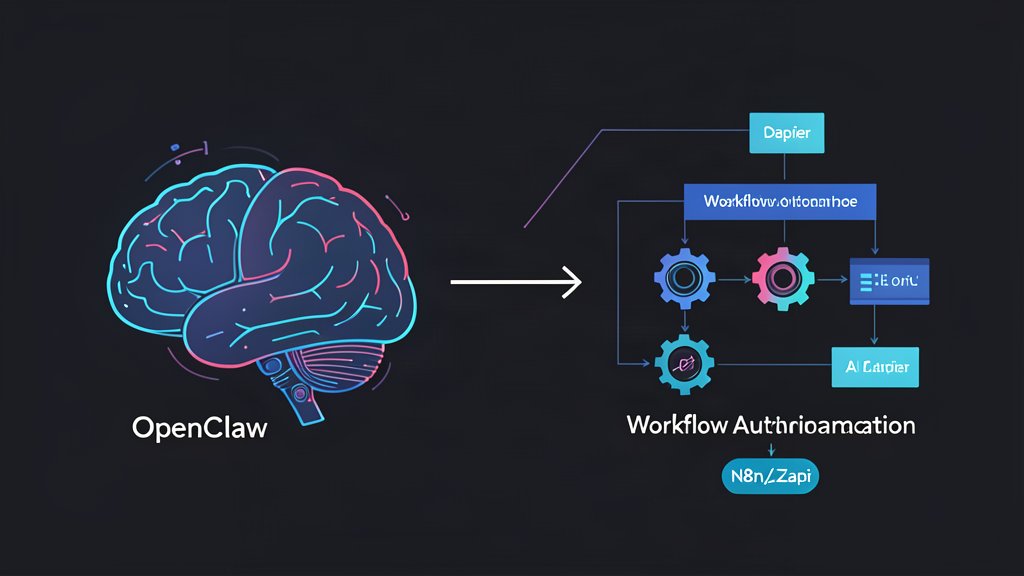
OpenClaw and tools like n8n or Zapier solve related but different problems: OpenClaw is agentic and chat-first, while workflow tools are deterministic and trigger-driven.

OpenClaw combines a gateway, persistent memory, chat channels, and skills so the assistant can accept requests and act on them over time.
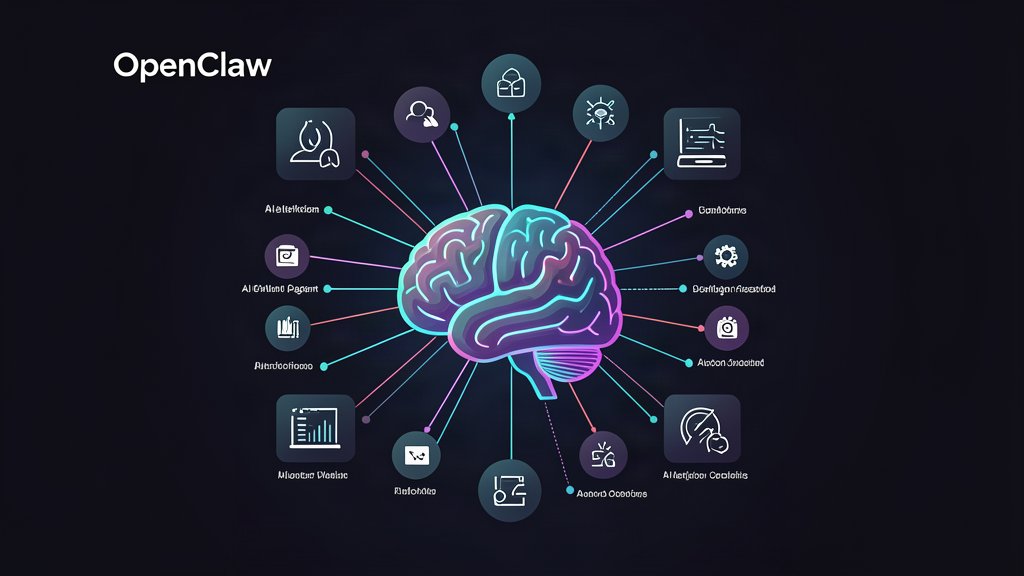
OpenClaw is a chat-first, open-source AI agent platform that runs on your machine and can execute real tasks instead of only generating text.