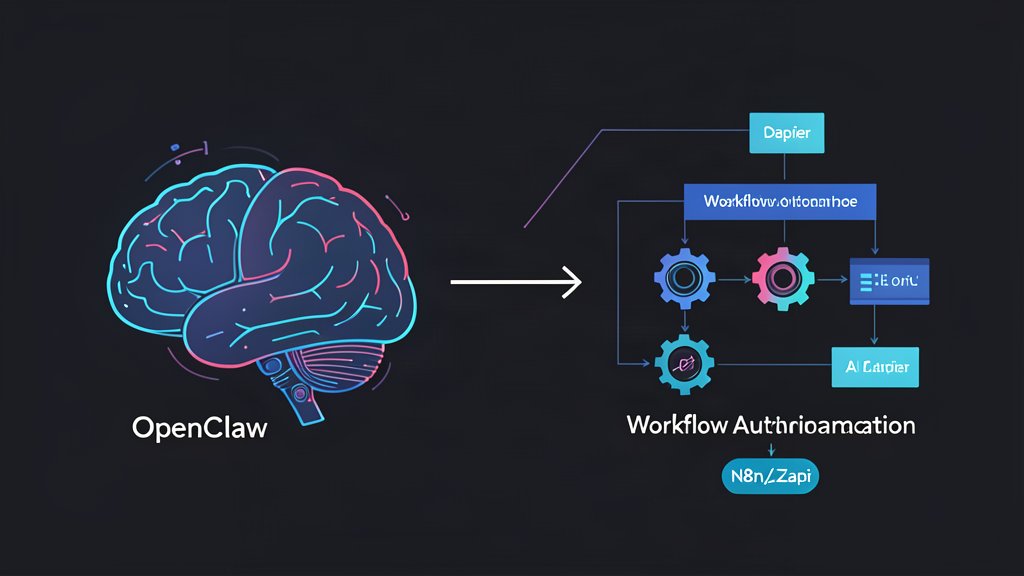
OpenClaw, n8n, and Zapier can all automate work, but they are not interchangeable.
That distinction matters because people often ask the wrong question. They ask which tool is “better” instead of which tool is a better fit for the job.
The short answer is this: use n8n or Zapier when you want predictable automation with clear triggers and outputs. Use OpenClaw when the work benefits from conversation, memory, tools, and machine-level actions under human direction.
Where Workflow Tools Win
n8n and Zapier are strong when the process is already well defined.
If you know the trigger, the transformation, and the destination, a traditional workflow platform is usually the safer and simpler choice. It is easier to audit, easier to debug, and easier to explain to non-technical stakeholders.
That is why workflow tools are excellent for:
- Lead routing
- CRM updates
- Notifications
- Scheduled syncs
- Simple cross-app handoffs
They are designed for repeatability.
Where OpenClaw Wins
OpenClaw becomes interesting when the task is not a clean workflow.
It can accept natural-language instructions through a chat app, remember context, use skills, browse the web, run terminal commands, and act on a machine you control. That makes it better suited to work that is messy, evolving, or too interactive for a rigid node graph.
Examples include:
- Investigating a problem across several tools
- Following up on inbox items that require judgment
- Working through a browser task that changes as new information appears
- Taking a multi-step request and keeping the context alive across messages
That is less like automation in the classic sense and more like delegating a task to a capable operator.
The Real Difference
The real difference is determinism.
Workflow tools are deterministic by design. You know what happened and why. That makes them ideal for business processes that need reliability and traceability.
OpenClaw is more agentic. It is designed to interpret, plan, and act. That gives it more flexibility, but it also means you should think more carefully about permissions, guardrails, and review points.
So the choice is not about replacing one with the other.
It is about using the right layer:
- Workflow platforms for repeatable business automation.
- OpenClaw for conversational, context-rich, machine-aware tasks.
- Both together when a workflow needs a human-friendly front end and a deterministic back end.
A Practical Stack
For many teams, the strongest setup is hybrid.
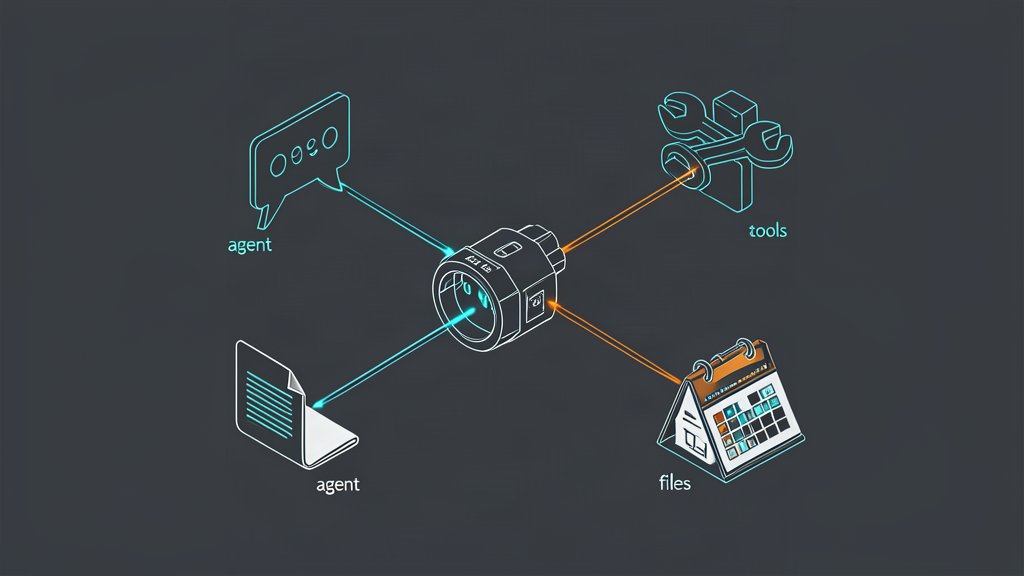
You can use OpenClaw as the interface and reasoning layer, then hand off structured jobs to n8n, Zapier, or direct APIs when the action should be highly repeatable. That gives you flexibility where you need it and discipline where you cannot afford surprises.
That is especially useful for consulting, support, ops, and internal tooling.
Bottom Line
Use OpenClaw when the request is complex, interactive, or best expressed as a task delegated to an agent. Use n8n or Zapier when the process is already known and should run exactly the same way every time.
The best automation stack usually contains both.
If you want the source perspective, see the official OpenClaw docs and OpenClaw site.
Related areas
Related What I Do
These What I Do pages are matched from the subject matter of this article, creating a cleaner path from educational content to implementation work.
Continue reading
Related articles
Based on shared categories first, then the strongest overlap in tags.