 Goran Štimac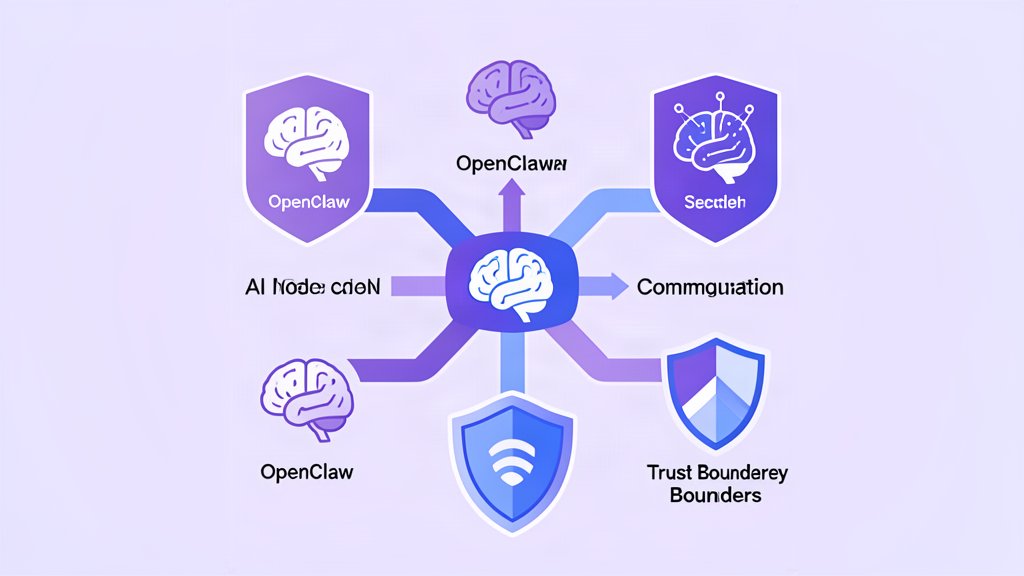
Most OpenClaw setup problems are really design problems.
People start by asking which feature to enable first, but the better question is which boundary they are actually trying to create. Are you building a personal assistant, a team assistant, or a shared automation surface? The right choice changes the channel, the model, and the security posture.
Start With The User Boundary
OpenClaw’s docs repeatedly frame the product as a personal assistant platform. That is not just branding. It shapes the default trust model.
If one trusted operator is the expected pattern, then a single gateway, a single set of credentials, and a single session space make sense. If multiple people will use it, split that up.
Use separate gateways for:
- Personal use.
- Family use.
- Company use.
- Public or semi-public channels.
That keeps one group’s messages from steering another group’s tools or context.
Pick The Channel Based On Friction
The channel should match how the assistant will be used.
If you want the lowest-friction private setup, a direct message channel is usually the easiest start. If you want a team-facing assistant, Slack or Discord may be a better fit. If the assistant needs mobile-first control, WhatsApp or Telegram works well. If you need Apple ecosystem integration, iMessage can be useful, but it also raises the value of keeping the runtime clean and well separated.
The practical rule is simple: choose the channel your users already check.
Choose The Model By Risk, Not Hype
OpenClaw can connect to cloud and local models, which is useful, but the model tier should match the job.
For a chat-only assistant with no tool access, a smaller model may be fine. For a tool-enabled assistant that can read untrusted content, browse pages, or run commands, use a stronger model that is better at resisting prompt injection and instruction hijacking.
Model choice is one of the cheapest ways to reduce mistakes. If you are going to let the assistant act, do not economize at the wrong layer.
Separate Read Paths From Action Paths
One of the best patterns is to split your assistant into two stages:
- A read-only or low-risk reader for untrusted content.
- A tool-enabled actor that only receives a cleaned-up summary.
That pattern fits especially well when you are pulling in web results, emails, documents, or attachments. It limits the damage if a malicious message tries to steer the system.
It also helps with operational clarity. The reader can be broad and cautious. The actor can be narrow and decisive.
Decide How Much Memory You Actually Need
Persistent memory is one of OpenClaw’s strongest features, but it is not always appropriate to keep everything in the same session space.
For a personal assistant, broad continuity is useful. For a team assistant, you may want more isolation and more explicit context switching. For a high-risk workflow, reduce memory scope and avoid carrying irrelevant context between tasks.
Ask one question: does persistent memory improve accuracy here, or does it risk leaking context across unrelated jobs?
Use The Smallest Useful Tool Set
This is where a lot of agent projects go wrong.
If the assistant only needs to answer questions and summarize documents, it does not need filesystem write access. If it only needs to send alerts, it does not need browser control. If it only needs one integration, it does not need a broad plugin surface.
The principle is simple: give the assistant access only to the tools it must use, then expand from there if the workflow proves it deserves more.
A Practical Decision Matrix
If you are unsure where to start, use this order:
- Define the user boundary.
- Choose one channel.
- Pick the strongest model you can justify for the task.
- Start with pairing or allowlists.
- Turn on tools one at a time.
- Add memory only where it improves the workflow.
- Review the security audit after every meaningful change.
That sequence keeps the system understandable.
Bottom Line
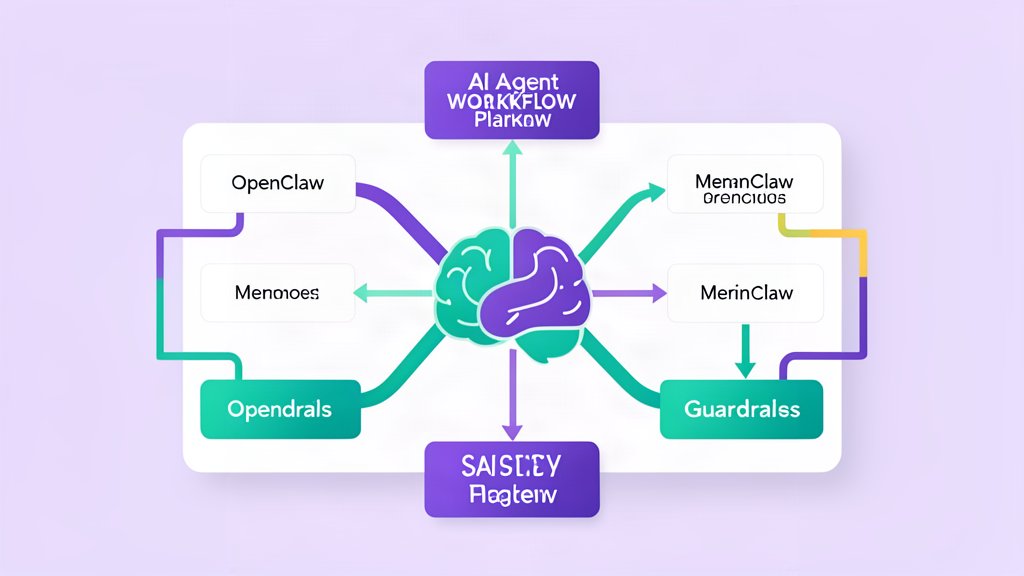
OpenClaw becomes useful when its parts are aligned: the right channel, the right model, and the right trust boundary. If those three pieces are wrong, the rest of the setup will feel unstable no matter how many features you enable.
Think in terms of access, context, and action. That is the cleanest way to choose a setup that will still make sense six months from now.
Official references: Integrations and Security.
Related areas
Related What I Do
These What I Do pages are matched from the subject matter of this article, creating a cleaner path from educational content to implementation work.
Continue reading
Related articles
Based on shared categories first, then the strongest overlap in tags.