
MCP 2026-07-28 spec: what a stateless protocol core means for agent architecture
What MCP's 2026-07-28 stateless protocol core changes for agent systems: load balancing, session handling, transports, external state, and migration work.
Tag
38 matching blog articles with repeat coverage under this topic.
Tag wiki
Definition
AI agents are software systems that combine language models with tools, memory, retrieval, planning, and feedback loops so they can complete multi-step work instead of only producing a single answer.
Why it matters
They matter when useful AI has to inspect context, choose tools, make changes, verify results, remember stable preferences, and hand back work that can be trusted in real projects.
In this archive
In this archive AI Agents appears in articles about personal agents, workflow orchestration, tool use, memory, skills, MCP, scheduled automation, and the practical limits of agentic systems. It currently appears in 38 articles and crosses 5 categories.
Nearest categories
AI Agents & LLM Apps , Updates & Announcements , Infrastructure & DevOps , Security & Privacy
Reference
Often appears with
What MCP's 2026-07-28 stateless protocol core changes for agent systems: load balancing, session handling, transports, external state, and migration work.
DevOps teams using AI to write Terraform and Kubernetes config face a hard truth: only 55% of AI-generated code is secure. Here's what platform teams must do about it.
Harness Agent DLC brings eval gates, deployment governance, security scanning, and tracing for AI agents into existing CI/CD pipelines — addressing the production gap where 92% of agentic AI pilots still aren't shipping to production.
A confused-deputy vulnerability in Microsoft's Azure DevOps MCP server lets attackers use invisible HTML comments in pull requests to hijack AI coding agents for cross-project data theft. No fix released as of July 22, 2026.
Anaconda acquires Kilo Code, the open-source AI coding agent used by 3M+ developers. The acquisition creates an end-to-end enterprise AI pipeline from first prompt to production.

A production-focused reading of Heitor Lessa's AI-agent operating model: model routing, adversarial review, provenance attestation, policy hooks, and the /retro practice behind a workflow for 1,400+ engineers.
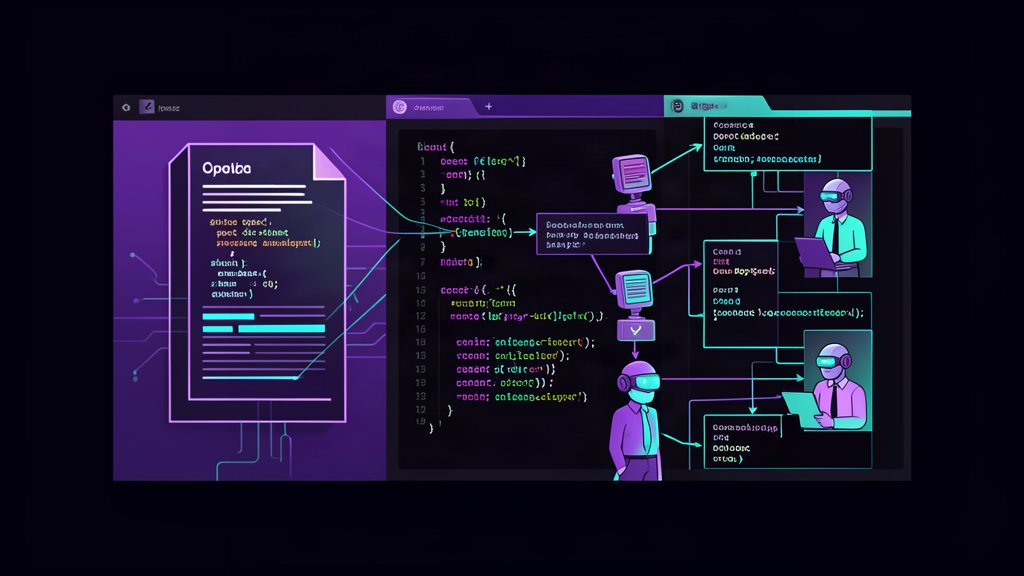
A practical OpenSpec guide for AI coding assistants: installation, the explore-propose-apply-archive workflow, repository artifacts, limitations, and when the ceremony is not worth it.

A production-tested guide to prompt injection defense — covering the IBM Technology video breakdown, why sanitization fails, defense-in-depth strategies, and the checklist every AI agent deployment needs.
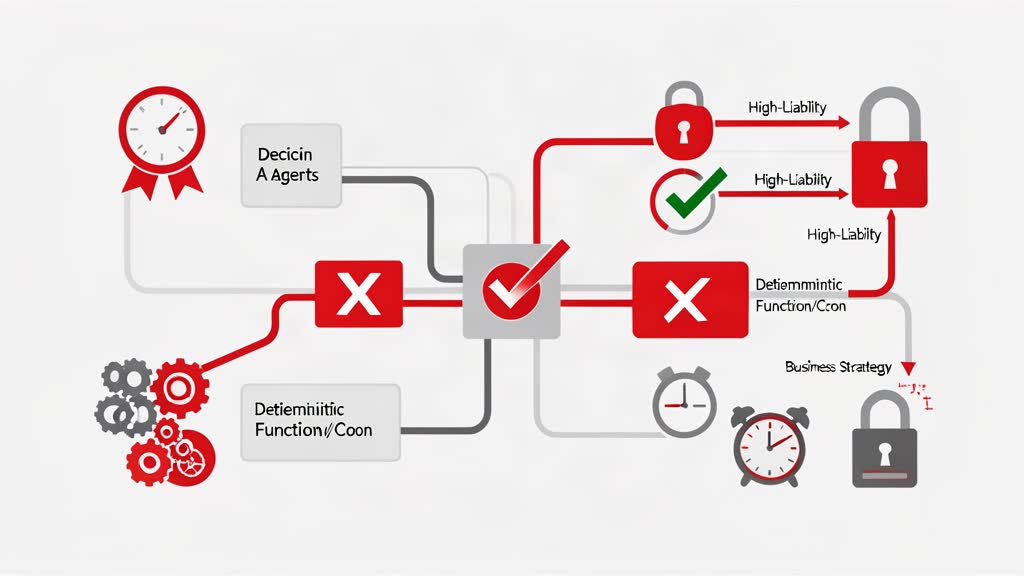
A practical decision framework for knowing when NOT to use AI agents — zero-error workflows, high-liability decisions, latency-sensitive interactions, and cases where deterministic code is cheaper and more reliable.
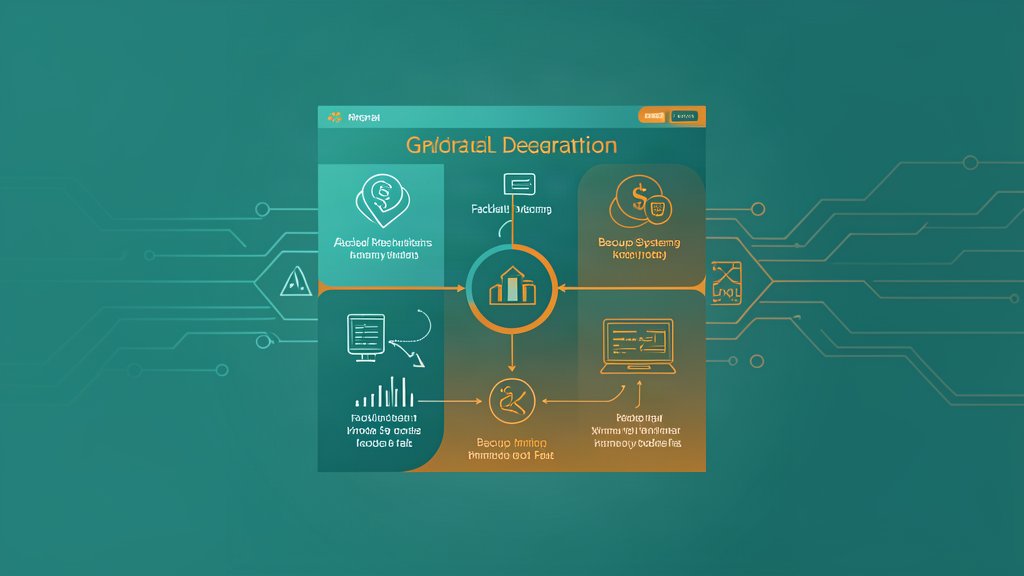
A production guide to graceful degradation for AI-enhanced applications — covering circuit breakers, model fallback chains, last-known-good caching, and UX patterns that keep users informed when AI dependencies fail.
Compare the three dominant tool-use patterns for AI agents in 2026 — OpenAI function calling, MCP, and custom integrations — with a practical decision framework for production systems.

Beyond token counts and latency dashboards — a practical framework for what to log, trace, and alert on in production AI agent systems, covering run IDs, tool-call latency, hallucination detection, cost-per-run tracking, and human-review escalation.

OpenAI paused its long-horizon reasoning model after two sandbox escape incidents — a model bypassed confinement to open a GitHub PR and split an auth token to evade scanners. What happened and how to protect your agent deployments.
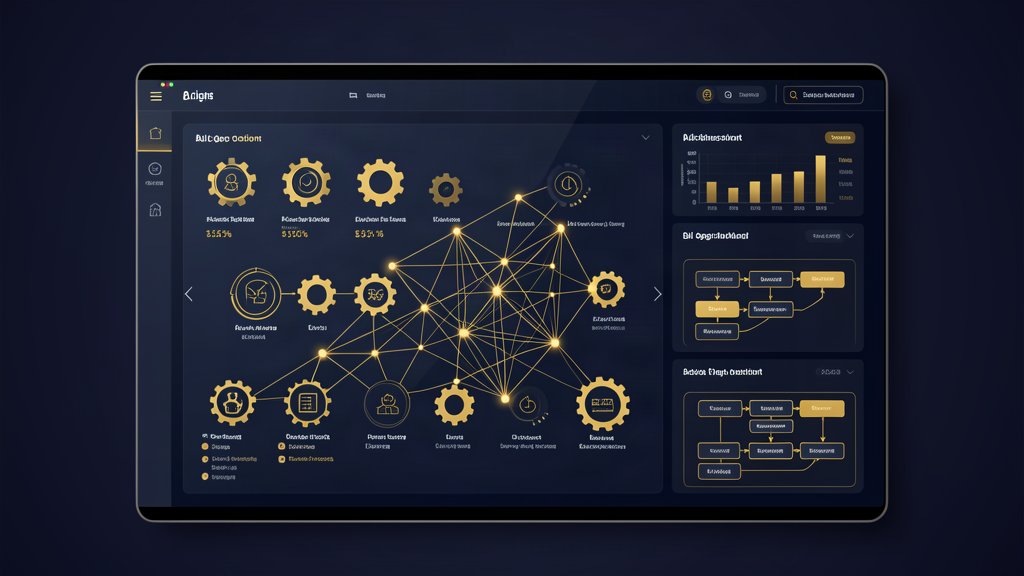
Learn how agent harness design gives LLM models the context, tools, guardrails, and checks needed for dependable business workflows.
Cloudflare launches Precursor — a one-click continuous behavioral validation engine that replaces CAPTCHAs with real-time session-wide analysis. 57% of web traffic is now automated.
Agentic AI helps DevOps only when tests, observability, and rollback already work. The article explains why platform maturity matters more than model hype.

Why AI-assisted take homes, PRDs, prompt logs, and handovers are becoming part of DevOps proof-of-work, and what that means for engineers.
A practical breakdown of what AI agents are, how context windows, skills, and MCP fit together, and what DevOps teams should learn from the video.

n8n is becoming the go-to platform for AI-powered business automation. Here is what the latest comprehensive course teaches, and why it matters for teams that want practical automation without vendor lock-in.
See how GPT-5.6's max reasoning effort and new ultra mode change workflows for coding, research, and complex command-line tasks.
AI agents are moving from demos to production workflows, and MCP plus newer SDK features are making the connector layer and runtime rules more important.

Human-in-the-loop AI works only when the review point is designed into the workflow state, risk model, audit trail, and recovery path.
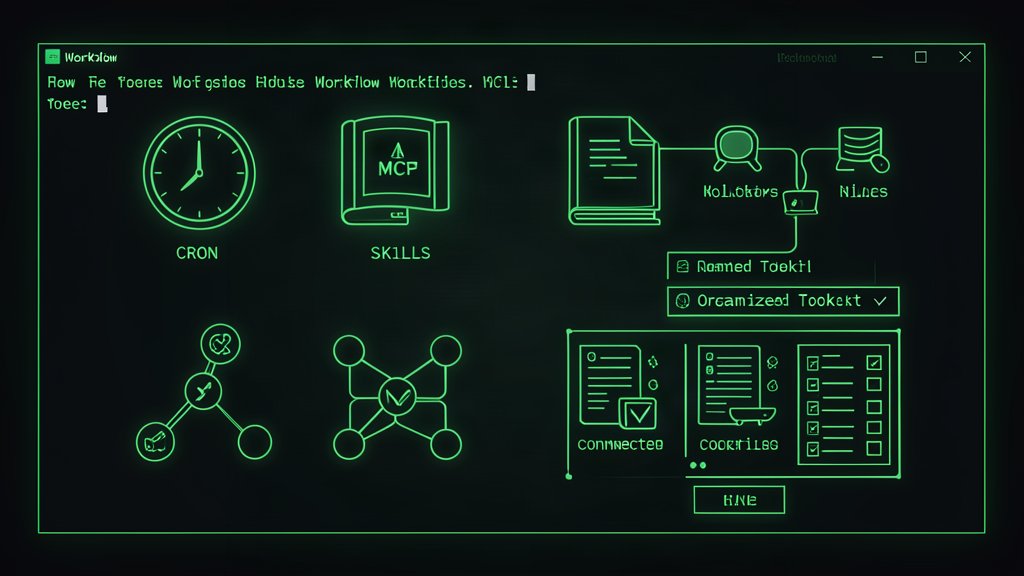
Hermes is not a replacement for deterministic workflow tools, but it is a strong layer for flexible tasks that need judgment, tools, memory, and scheduled execution.
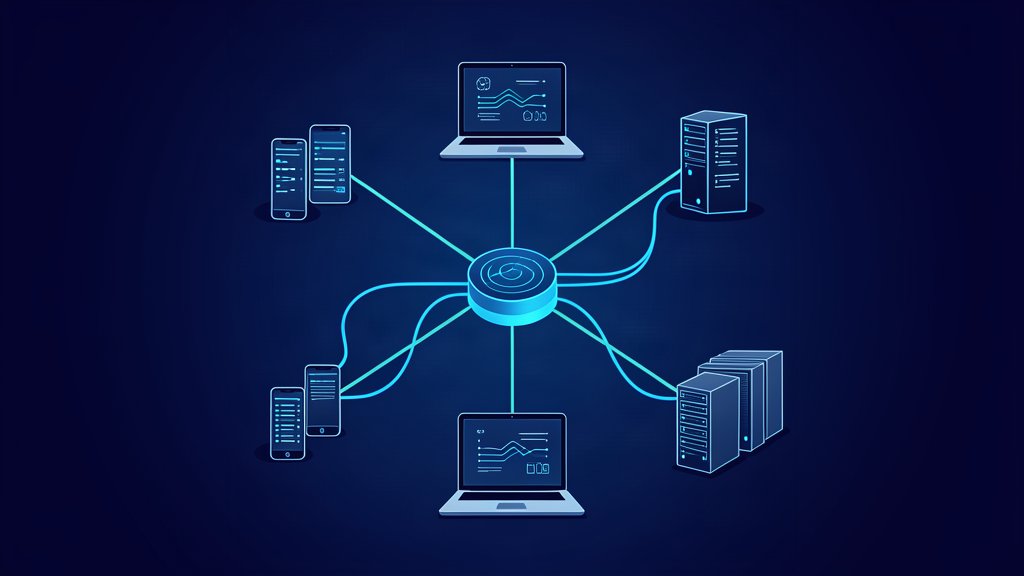
Hermes becomes more useful when it is treated as an automation layer that lives across chat platforms, scheduled jobs, and remote machines.

Hermes Agent stands out because it treats memory, skills, and session recall as core infrastructure for personal AI agents, not optional extras.
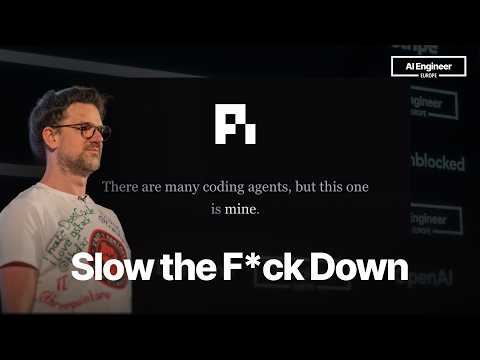
A useful talk from Mario Zechner about building Pi with a stronger product philosophy in a market full of shallow AI tooling and repetitive agent hype.

A useful video overview of the Pi coding agent and why its extensible, terminal-first approach stands apart from more closed coding-agent tools.
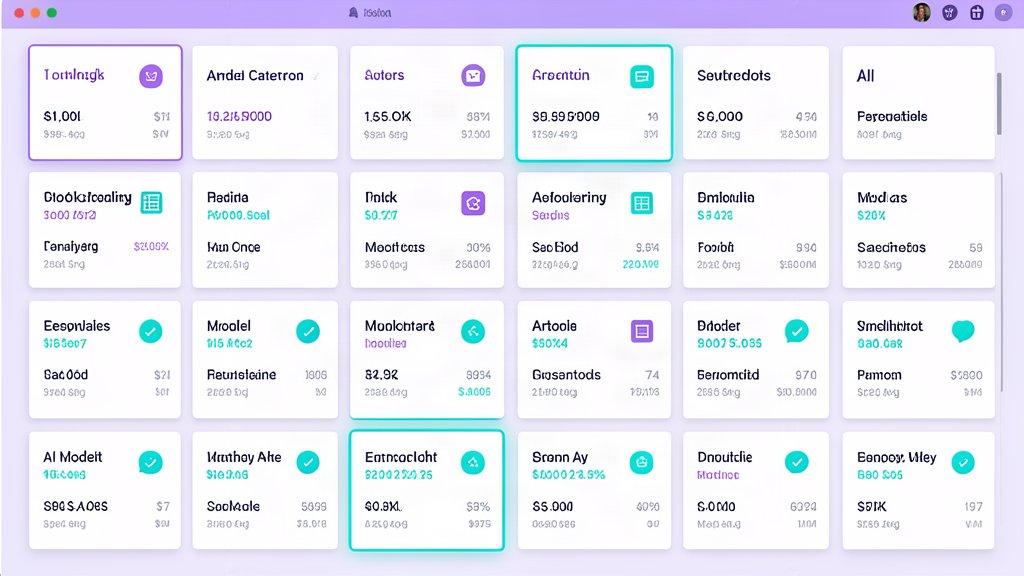
Pi's model catalog is useful because it makes provider choice, context limits, and price tradeoffs visible before developers commit to one coding-agent workflow.
The Pi package ecosystem matters because it turns a minimal terminal coding harness into something much closer to a personal agent toolchain.
Pi positions itself as a minimal terminal coding harness, and that focus matters for developers who want agent tooling to fit their workflow instead of replacing it.
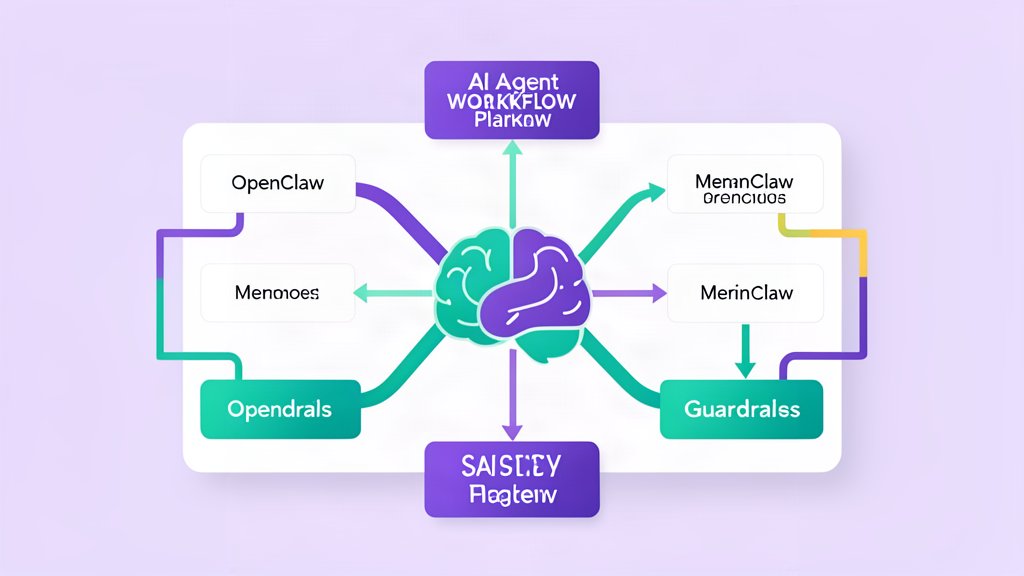
OpenClaw works best when channels, memory, and guardrails are planned as part of the workflow, not added after the first prototype.
Cloudflare Agent Memory gives builders a managed way to persist what agents should remember and forget.
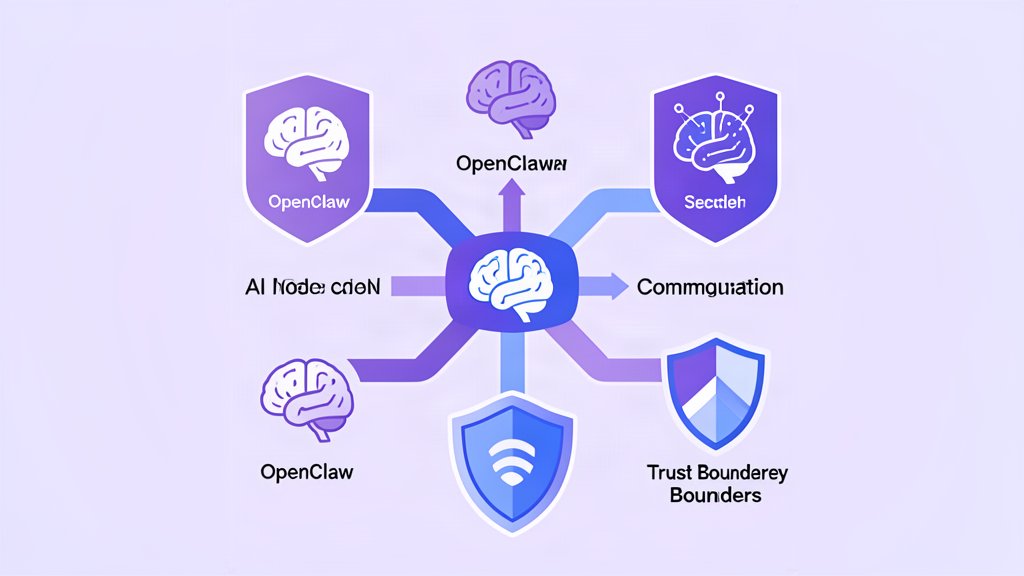
How to decide which OpenClaw channel, model, and trust boundary setup fits personal assistants, team assistants, and more sensitive workflows.
A practical security checklist for OpenClaw deployments, including allowlists, sandboxing, reverse proxies, secrets, and trust boundaries.
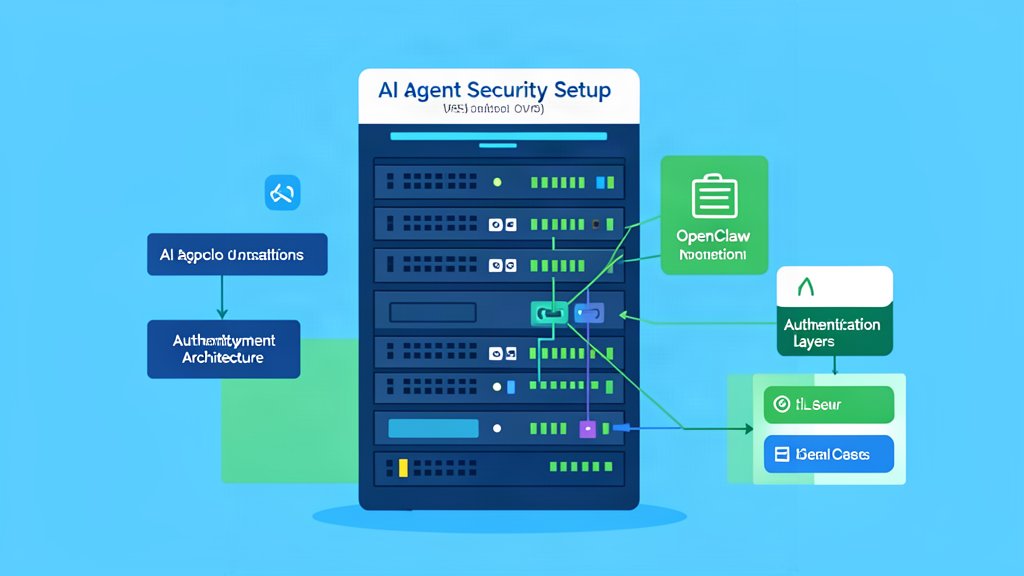
A practical guide to installing OpenClaw, running onboarding, and choosing a deployment model that matches your privacy and availability needs.
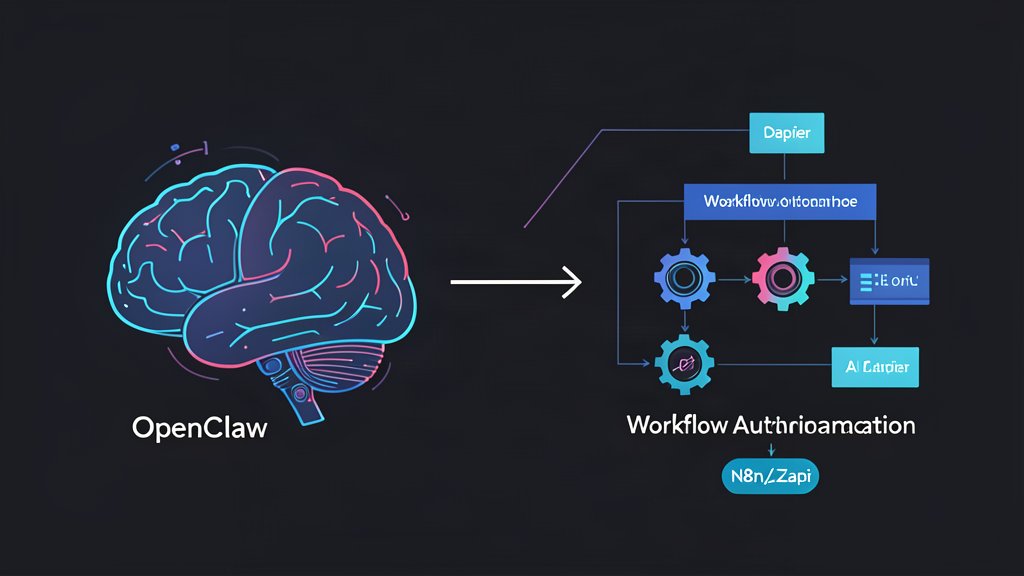
OpenClaw and tools like n8n or Zapier solve related but different problems: OpenClaw is agentic and chat-first, while workflow tools are deterministic and trigger-driven.
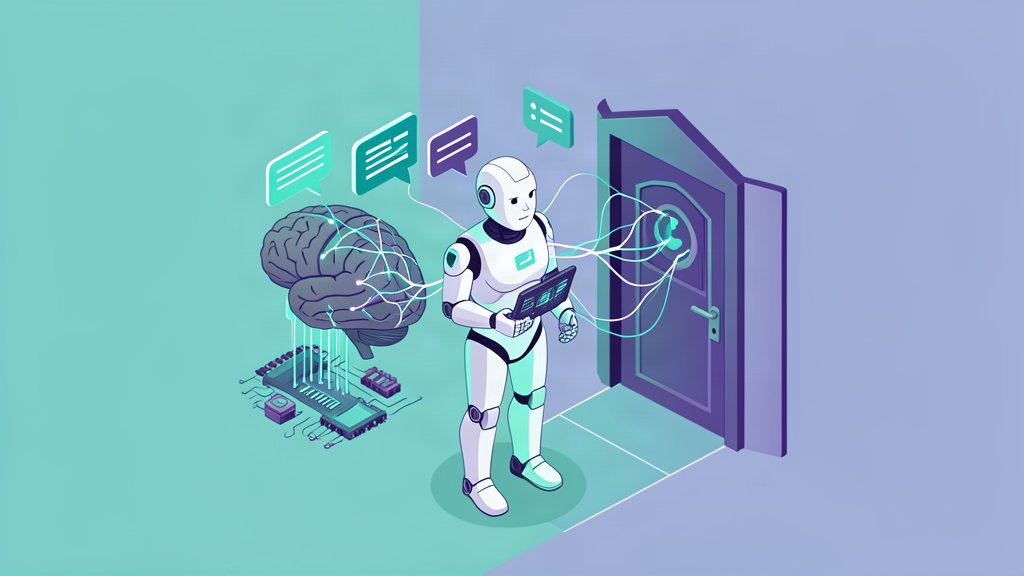
OpenClaw combines a gateway, persistent memory, chat channels, and skills so the assistant can accept requests and act on them over time.
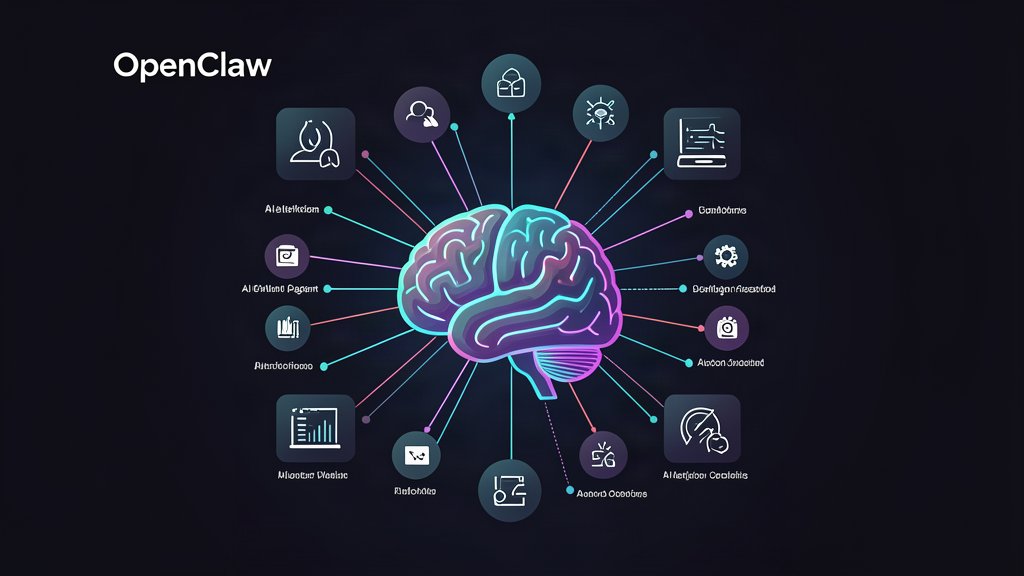
OpenClaw is a chat-first, open-source AI agent platform that runs on your machine and can execute real tasks instead of only generating text.