 Goran Štimac
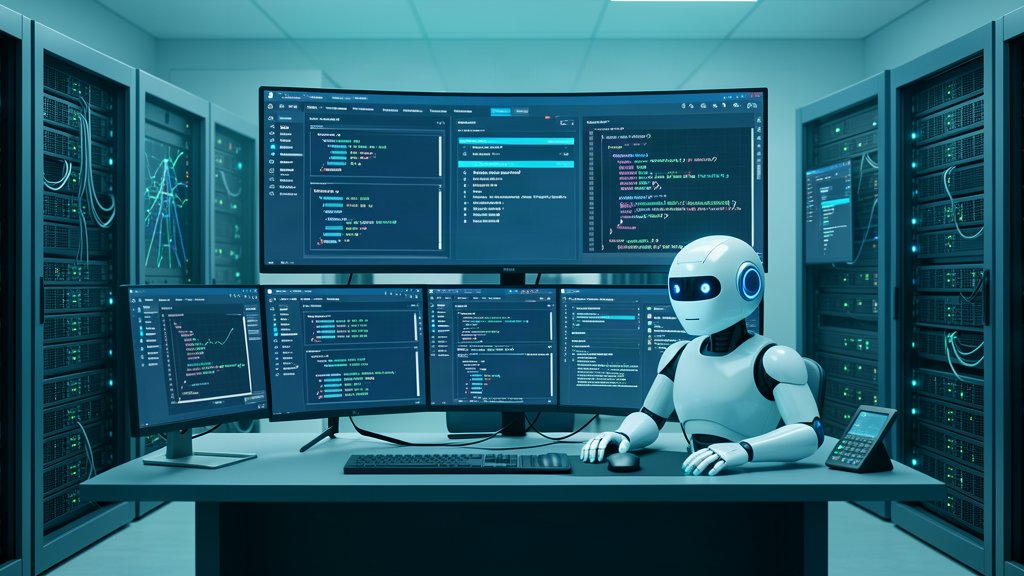
 This interview is really about how DevOps work is being judged now. The old signal of competence was mostly shipping projects in GitHub: commits, branches, pull requests, and a clean history that showed how you worked. In 2026 that is no longer enough on its own. Teams also want to see how you used AI, what prompts you wrote, what plan you followed, and how you handled the handoff.
That is a meaningful change. It does not mean engineering fundamentals disappeared. It means the workflow artifacts around them matter more than before. If a person can explain the result but cannot explain the process, the output looks weaker even when the code is fine.
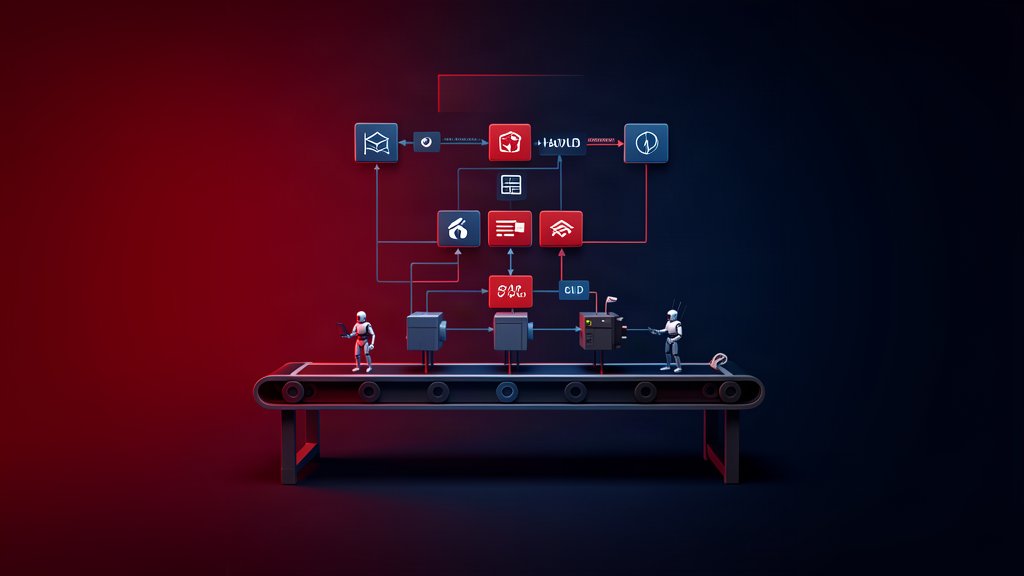
The key idea in the interview is that agent execution only matters if the work is explainable. A take-home project or internal assignment now needs a reasoning trail: a PRD, a plan, dependency handling, and a handoff that shows where AI helped and where the human still made the decisions. That is very DevOps-friendly because production systems are already judged by whether they are observable and recoverable.
The practical lesson is that AI does not remove the need for structure. You still need clear requirements, realistic scope, and well-defined dependencies. If identity setup has to happen before Argo can work, the agent cannot wish that away. If the definition of production is vague, the output will be vague too.
The real shift is not “AI can do the job now.” It is “engineers now need to show that they can use AI in a disciplined way.” That means better notes, better plan files, better handoffs, and fewer mysterious leaps between problem and solution.
Official resources: OpenAI engineering guide and a broader AI-in-workflow overview.
Related areas
Related What I Do
These What I Do pages are matched from the subject matter of this article, creating a cleaner path from educational content to implementation work.
Continue reading
Related articles
Based on shared categories first, then the strongest overlap in tags.