 Goran Štimac
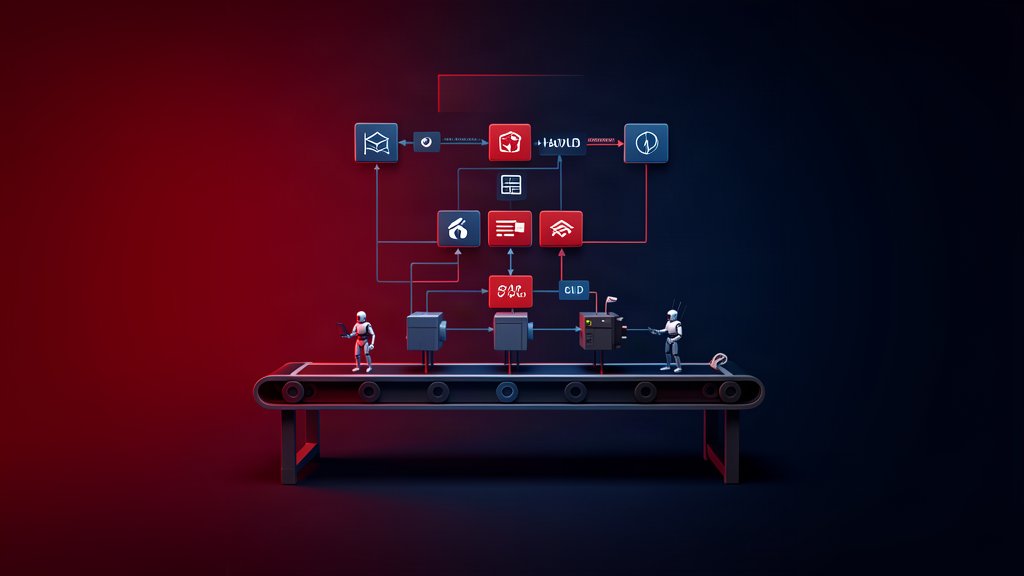
The key argument here is simple: AI agents do not magically improve DevOps. They expose the quality of the platform faster. If a team already has strong tests, good telemetry, clear ownership, and safe rollback paths, then agentic workflows can help. If those basics are weak, the agent just becomes a faster way to reach the same problems.
That is why the DORA framing matters. The point is not that AI should be ignored. The point is that the same engineering fundamentals still determine whether automation helps or hurts. A mature platform has a few obvious traits: automated tests, observability, version control discipline, clear environment boundaries, and a rollback path that does not depend on luck.
With those pieces in place, an agent can become genuinely useful. It can summarise incidents, correlate signals, draft runbook steps, or help an engineer inspect a change faster. But the value is only visible because the platform already created safe boundaries. That is also why the best first use cases are read-only or recommendation-first.
Incident triage is a strong example. Log summarisation, dependency mapping, and preparing a postmortem draft are other good examples. Those jobs are structured enough to benefit from automation while still keeping humans in the loop. Production changes, destructive actions, and ambiguous root-cause calls still need approval and human judgment.
The strongest way to write about agentic DevOps is to say yes to AI, but only after the boring parts are right. If tests, observability, and rollback are already mature, agents can make the team faster. If not, the agent is just a new way to make old mistakes.
References: DORA 2024, DORA 2025, AWS DevOps Agent, and OpenAI engineering guide.
Related areas
Related What I Do
These What I Do pages are matched from the subject matter of this article, creating a cleaner path from educational content to implementation work.
Continue reading
Related articles
Based on shared categories first, then the strongest overlap in tags.