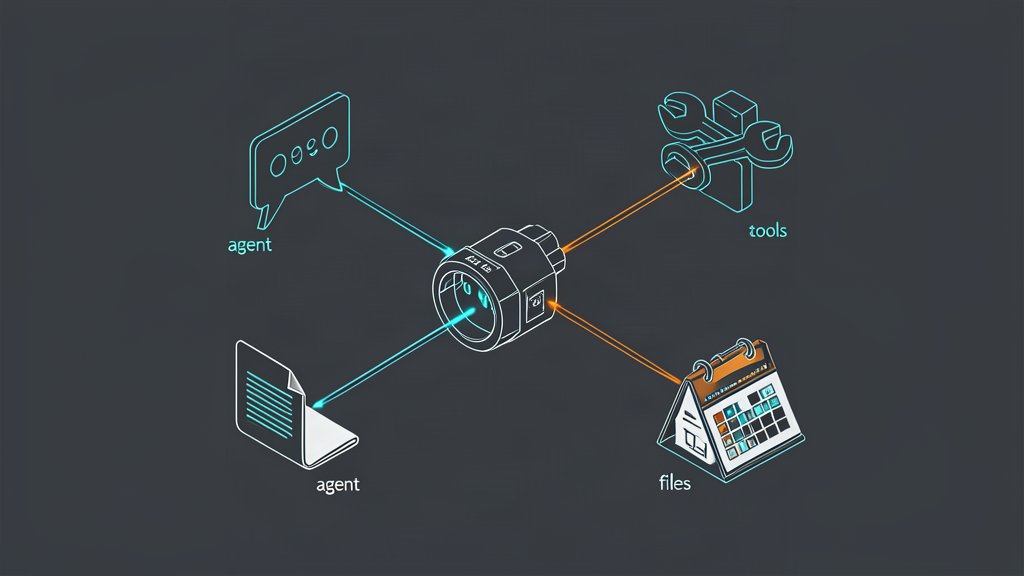
Pi’s package catalog is one of the clearest signs that the project is not trying to win through a fixed default experience alone. The interesting part is the ecosystem around it.
On pi.dev, packages are installable from npm with pi install npm:<package>, and the catalog spans extensions, skills, prompt templates, and themes.
The Package Layer Changes the Product
Without packages, Pi would still be a lean terminal harness. With packages, it becomes a platform developers can bend toward their own habits.
That is a meaningful difference.
The package catalog already includes tooling for subagents, web access, session search, memory, markdown preview, charts, ask-user flows, process control, and workflow orchestration. That means the default Pi install is only one starting point, not the finished product.
Why This Matters More Than a Feature List
Most agent tools are judged by built-in features. Pi invites a different question: what can your workflow become once you install the pieces you actually need?
That is often the better approach for terminal developers. One person might care most about web research and package sandboxing. Another might want better session search, memory, and status overlays. Another might want multi-agent delegation and workflow planning.
Pi’s package model leaves room for those differences.
The Ecosystem Already Signals Real Usage Patterns
The current package catalog is not theoretical. It already shows strong patterns around:
- subagents and delegation,
- web research and fetch,
- memory and session retrieval,
- interactive user questioning,
- TUI enhancements and status bars,
- project planning and workflow orchestration.
That is useful because it shows where terminal-agent users are actually feeling friction and where the community is trying to solve it.
The Risk to Watch
Of course, package ecosystems cut both ways.
The more power you gain from installable extensions, the more carefully you need to think about trust, maintenance, version drift, and workflow sprawl. A minimal harness can become a messy harness if every problem gets solved by adding one more package.
So the value is not in installing everything. The value is in building a deliberate personal toolchain.
Bottom Line
Pi packages matter because they turn a small terminal agent into something much more personal and much more capable. That is probably the strongest reason to watch pi.dev closely: the core is minimal, but the surrounding ecosystem can become highly specialized.
References: Pi Package Catalog, Pi Documentation.
Related areas
Related What I Do
These What I Do pages are matched from the subject matter of this article, creating a cleaner path from educational content to implementation work.
Continue reading
Related articles
Based on shared categories first, then the strongest overlap in tags.