
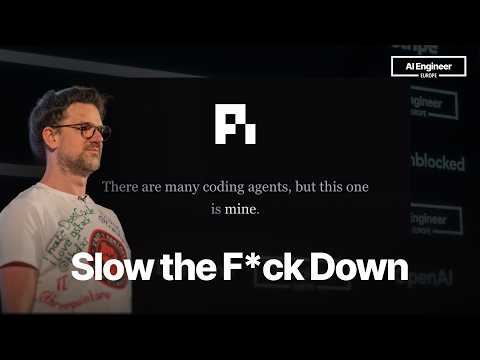
Building pi in a World of Slop — Mario Zechner
A useful talk from Mario Zechner about building Pi with a stronger product philosophy in a market full of shallow AI tooling and repetitive agent hype.
Tag
5 matching blog articles with repeat coverage under this topic.
Tag wiki
Definition
Pi is a minimal terminal coding harness designed to stay small at the core while being extended through packages, skills, prompt templates, themes, custom models, and custom providers.
Why it matters
It matters when developers want agent tooling that can fit their own terminal workflow, provider choices, and extension stack instead of forcing a closed default environment.
In this archive
In this archive Pi appears in terminal coding workflows, agent extensibility, package ecosystems, model routing, and developer-controlled automation patterns. It currently appears in 5 articles and crosses 1 category.
Nearest categories
Reference
Often appears with
A useful talk from Mario Zechner about building Pi with a stronger product philosophy in a market full of shallow AI tooling and repetitive agent hype.

A useful video overview of the Pi coding agent and why its extensible, terminal-first approach stands apart from more closed coding-agent tools.
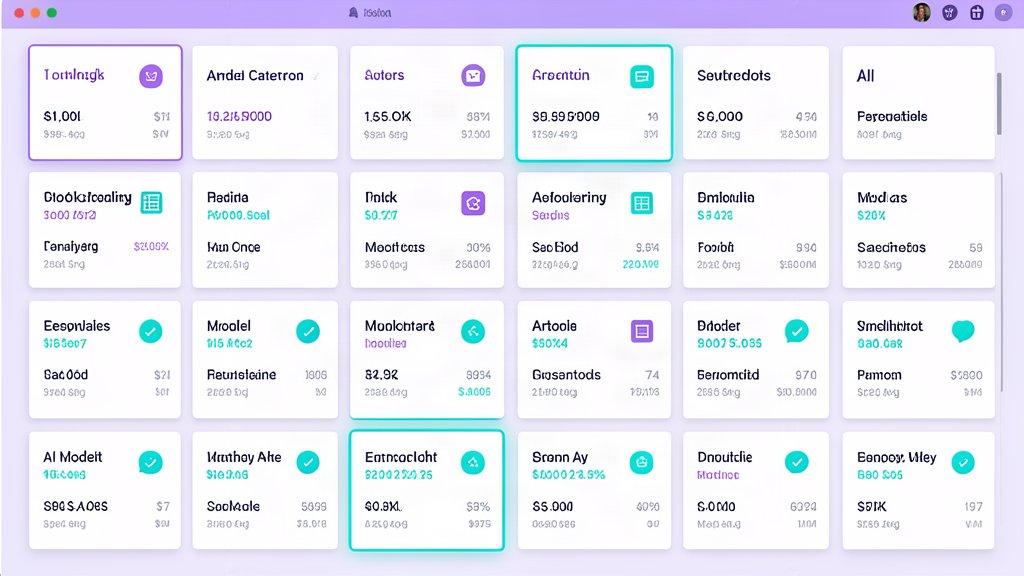
Pi's model catalog is useful because it makes provider choice, context limits, and price tradeoffs visible before developers commit to one coding-agent workflow.
The Pi package ecosystem matters because it turns a minimal terminal coding harness into something much closer to a personal agent toolchain.
Pi positions itself as a minimal terminal coding harness, and that focus matters for developers who want agent tooling to fit their workflow instead of replacing it.