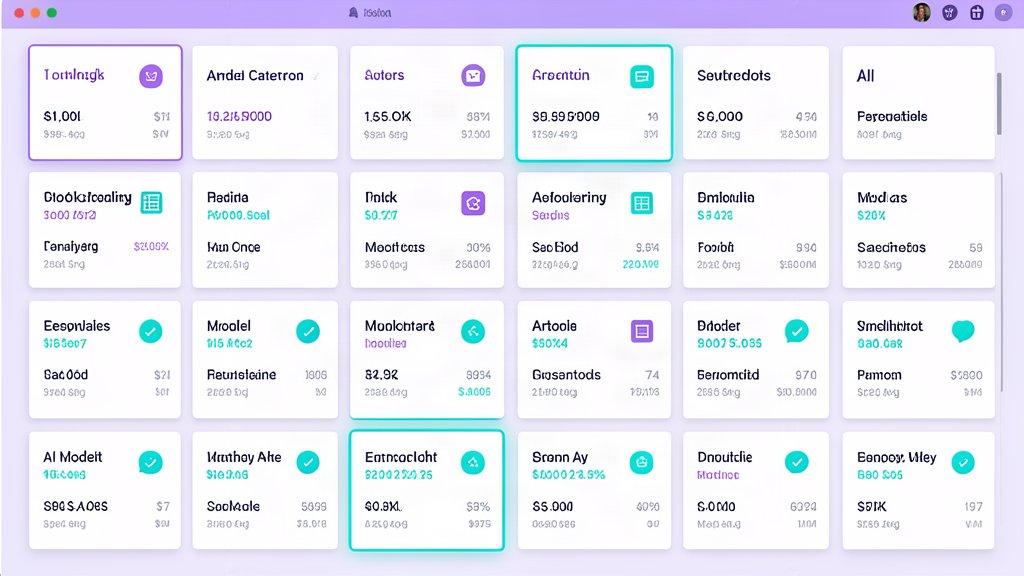
One of the more practical parts of pi.dev is the model catalog. It does not just list model names. It exposes provider coverage, context limits, and pricing data in a way that changes how you can think about an agent setup.
That is more important than it sounds.
Pi Makes Model Choice a Workflow Decision
Pi’s model catalog spans many providers and surfaces concrete differences between models, including context windows and pricing characteristics.
That matters because coding-agent performance is not only about which model is “best.” It is about which model is appropriate for the kind of work you actually do:
- cheap iteration,
- longer-context codebase work,
- heavyweight reasoning,
- provider-specific subscription access,
- custom provider routing.
Pi makes those choices more visible instead of hiding them behind one default option.
What to Compare First
Before locking in a Pi setup, compare at least four things:
- context window size,
- input and output pricing,
- provider availability and auth path,
- whether the model fits coding, search-heavy work, or planning-heavy work.
The point is not to optimize perfectly on day one. It is to avoid building your whole workflow around a model that is obviously wrong for your task mix.
Why This Is Useful in Terminal Workflows
Terminal-native workflows often move between cheap exploratory turns and more expensive implementation or review turns. Pi’s catalog gives developers a clearer base for deciding when a smaller model is enough and when a larger context or better reasoning profile is worth the extra cost.
That flexibility gets more valuable as teams or solo developers start mixing providers.
A Better Way to Think About Agent Setups
The useful setup question is not, “Which model is the smartest?”
It is, “Which small set of models gives me the best coverage for planning, implementation, verification, and longer-context work without making the workflow too expensive or too brittle?”
Pi’s model catalog supports that kind of thinking well.
Bottom Line
Pi’s model catalog is relevant because it turns model selection into an explicit engineering decision. That is exactly what serious coding-agent workflows need: visibility into cost, capacity, and provider tradeoffs before habits solidify.
References: Pi Model Catalog, Pi Providers Documentation.
Related areas
Related What I Do
These What I Do pages are matched from the subject matter of this article, creating a cleaner path from educational content to implementation work.
Continue reading
Related articles
Based on shared categories first, then the strongest overlap in tags.