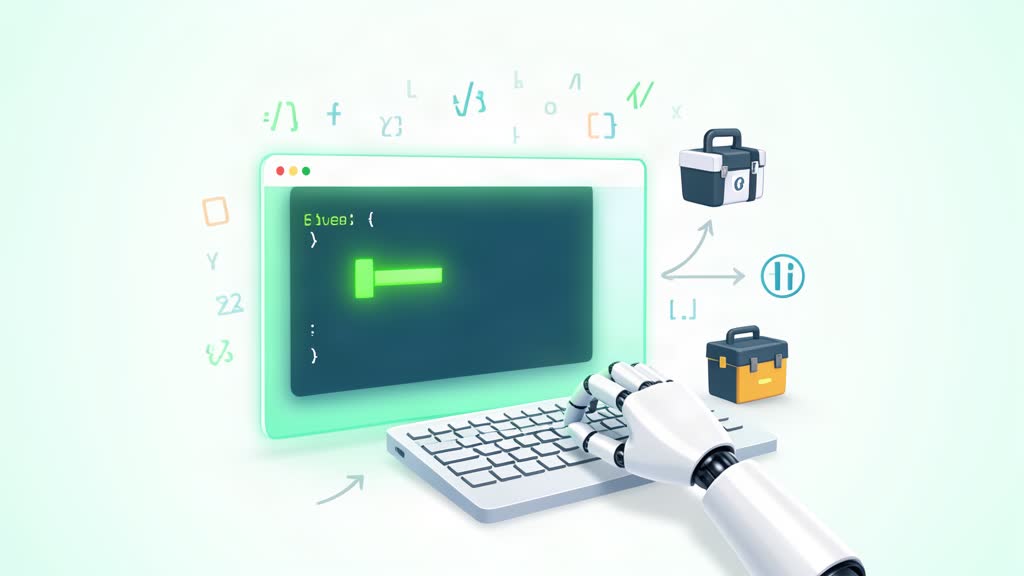
Pi is interesting because it does not present itself as an all-in-one IDE replacement. On pi.dev, it describes itself much more narrowly: a minimal terminal coding harness that should adapt to your workflows instead of forcing you to adapt to its defaults.
That positioning matters because a lot of coding-agent products keep getting heavier. Pi is making the opposite bet.
Pi Is Small at the Core on Purpose
The main Pi docs describe the product as a terminal coding harness designed to stay small at the core while being extended through TypeScript extensions, skills, prompt templates, themes, custom models, and custom providers.
That is not just a technical detail. It tells you Pi is trying to be a composable base layer for agentic coding in the terminal, not a monolithic environment.
The Quick Start Is Intentionally Short
Pi’s quick start is simple:
- install it with
npm install -g @mariozechner/pi-coding-agent, - run
piinside a project, - authenticate with
/loginfor subscription providers or set an API key such asANTHROPIC_API_KEY.
That is a practical signal. The setup flow is built to get people into a real coding session quickly rather than making them configure a giant platform first.
Why Developers May Care
Pi becomes relevant when you want three things at once:
- a terminal-first workflow,
- freedom to choose or swap model providers,
- an extension surface that stays open to your own habits.
That combination matters for developers who already live in shells, tmux, Git, local tools, and custom scripts. In that environment, a smaller harness can be more useful than a more opinionated agent product.
Where Pi Looks Strongest
The docs and homepage point toward several strengths:
- built-in support for multiple providers and custom providers,
- platform setup guides for Windows, tmux, terminal setup, and shell aliases,
- extension and package support for tools, prompts, skills, and UI,
- programmatic usage through SDK, RPC mode, and JSON event stream mode.
That makes Pi feel less like one assistant and more like an agent platform for terminal-native developers.
Bottom Line
Pi matters because it treats coding-agent infrastructure like something developers should be able to shape for themselves. If you want a terminal-first, extensible harness rather than a locked workflow, pi.dev is worth paying attention to.
References: Pi Home, Pi Documentation.
Related areas
Related What I Do
These What I Do pages are matched from the subject matter of this article, creating a cleaner path from educational content to implementation work.
Continue reading
Related articles
Based on shared categories first, then the strongest overlap in tags.