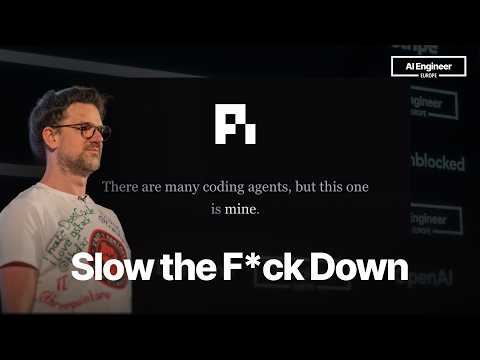
This video by Maximilian Schwarzmuller is a useful introduction to Pi as more than just another coding agent.
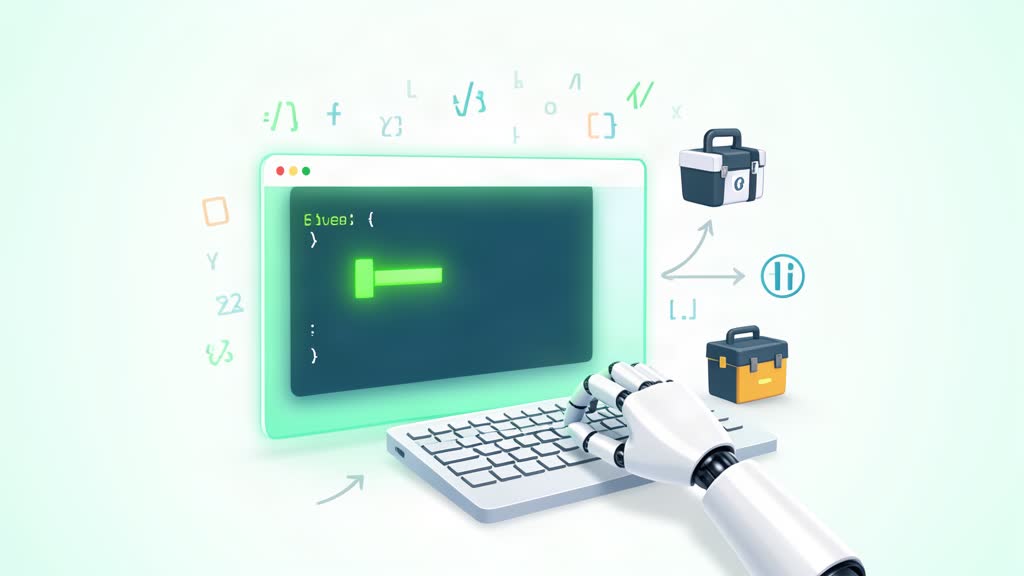
Pi differentiates itself through several architectural choices. Its package-based architecture lets users install skills via npm, turning Pi into an extensible toolchain rather than a one-size-fits-all assistant. The deterministic execution pipeline checks code output against expected patterns instead of relying purely on LLM generation, producing more reliable results. Built-in sandboxing runs generated code in isolated environments, preventing accidental system modifications. Pi also has an active open source community contributing packages and improvements. Compared to Claude Code (focused on chat-based code generation) or GitHub Codex (tightly coupled to VS Code), Pi’s terminal-first approach gives developers more workflow control and model flexibility.
Why this video is worth watching
- It helps frame Pi as a terminal-first coding harness rather than a fixed assistant product.
- It is a good companion to Pi’s own docs if you want a faster outside perspective before trying the tool.
- It is especially relevant if you care about extensibility, workflow control, and model choice instead of one locked default setup.
Pi links worth checking after the video
Source: The “PI” (coding) agent is so much more than just another amazing coding agent!
Related areas
Related What I Do
These What I Do pages are matched from the subject matter of this article, creating a cleaner path from educational content to implementation work.
Continue reading
Related articles
Based on shared categories first, then the strongest overlap in tags.