Many API projects go wrong because the first shared artifact is not the contract. It is a controller, a database table, or a half-finished environment that only one developer can run.
That is usually the expensive way to learn what the API should have been.
If the frontend, partner, or internal consumer already knows what data it needs, the better move is to prototype the API before the backend exists. That means defining the contract first, mocking it, testing the happy path and the obvious failure cases, and only then locking the implementation around it.
Why This Matters More Now
The current Postman API design guidance keeps pushing the same practical idea: work outside-in instead of inside-out. Start from what consumers need the API to do, not from how your tables happen to look today.
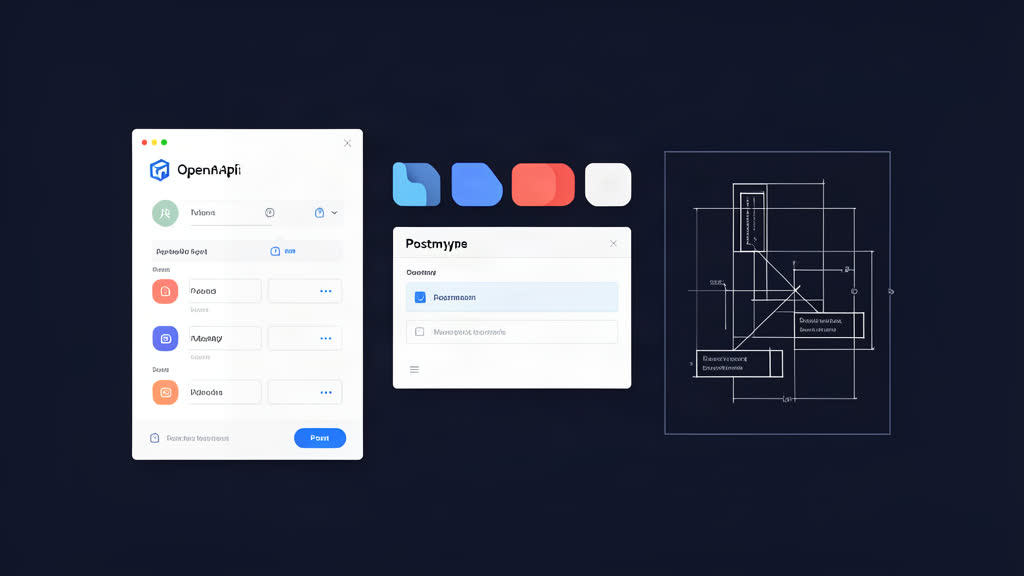
That fits well with OpenAPI. A formal spec makes it easier to review endpoints, validate request and response shapes, document auth, and generate collections, tests, and client code before production logic is finished. Instead of debating implementation details too early, the team can argue about the interface while the cost of change is still low.
A Better Order Of Work
Use this sequence when the API will be consumed by more than one screen, team, or system:
- Write the OpenAPI contract for the first real use case.
- Define request bodies, response shapes, auth requirements, and error states.
- Load the contract into Postman and create example calls and mock responses.
- Let the frontend or integration consumer test against the mock before the backend is complete.
- Turn the most important examples into contract tests so the implementation cannot drift.
That order exposes design mistakes early. You find naming problems, missing fields, weak error handling, and awkward auth flow while the system is still cheap to change.
What To Prototype First
Do not try to spec the whole platform in one pass.
Start with one narrow journey that matters, such as creating an order, retrieving a customer record, or syncing a lead into a CRM. If that path is clear, the rest of the API usually gets easier to shape.
The point is not to create beautiful documentation for its own sake. The point is to make the contract concrete enough that another person can use it without guessing what the backend developer meant.
When This Approach Helps Most
API-first prototyping is especially useful when:
- The frontend and backend are moving in parallel.
- A third-party integration will depend on the contract.
- The API may later need SDKs, documentation, or public exposure.
- The team has already been burned by implementation drift.
It is less important for a tiny internal endpoint that only one service will call once. But as soon as the interface becomes shared infrastructure, a contract-first workflow usually pays for itself.
Practical Rule
If two people need to rely on the API, treat the contract as the product before the backend is the product. Prototype the interface, mock it, review it, and test it while change is still cheap.
Official resources: Postman API Design and OpenAPI Initiative.
Related areas
Related What I Do
These What I Do pages are matched from the subject matter of this article, creating a cleaner path from educational content to implementation work.
Continue reading
Related articles
Based on shared categories first, then the strongest overlap in tags.