Most coding agents are still evaluated like smarter autocomplete tools. Can they edit files? Can they run tests? Can they explain a stack trace? Those things matter, but they miss the more interesting question.
Can the agent get better at working with you?
That is where Hermes Agent becomes worth watching. Its strongest idea is not only that it can use tools from a terminal. The stronger idea is that it has a learning loop around the work: memory, skills, session search, and procedures that can improve over time.
Why Memory Matters
A useful assistant should not treat every session as a first meeting.
Hermes has persistent memory for user preferences, project facts, environment details, and recurring conventions. That means it can remember things like preferred validation commands, repo-specific setup details, communication style, or deployment constraints.
This is not the same as dumping every chat into context. Good memory should be curated. It should keep stable facts and avoid storing noisy task history that will become stale. When memory is treated carefully, the agent becomes less repetitive and less dependent on the user repeating the same instructions every day.
For technical work, that is a real productivity gain. The agent can start closer to the right assumptions instead of rediscovering the project from zero.
Skills Are Procedural Memory
Memory answers the question: what should the agent remember?
Skills answer a different question: how should the agent do recurring work?
Hermes skills are reusable procedures. A skill can describe how to review a pull request, run a project-specific validation loop, troubleshoot a service, operate a deployment flow, or write content in a specific format. The important part is that skills are not just notes. They are instructions the agent can load when a matching task appears.
That makes skills especially useful for real workflows, where the difference between success and failure is often in the small details:
- Which command should run first.
- Which files usually contain the source of truth.
- Which pitfalls have already caused mistakes.
- Which validation step proves the work is complete.
A general model can know a lot about software. A skilled agent can know how your software is usually maintained.
Session Recall Fills the Gap
Not everything belongs in permanent memory. Some details are useful only when you need to find the past conversation where a decision was made.
That is why session search matters. Hermes can search previous sessions instead of relying only on what is in the current context window. For long-running projects, that is the difference between vague continuity and practical continuity.
You can ask where you left a task, what was decided about a previous implementation, or how an error was solved before. The agent can retrieve the relevant session context and continue from there.
This matters because most engineering work is not a single clean prompt. It is a sequence of decisions, experiments, fixes, and follow-ups spread across days or weeks.
The Real Product Is the Loop
The most useful personal AI agent is not the one that gives the best answer once. It is the one that becomes easier to work with after repeated use.
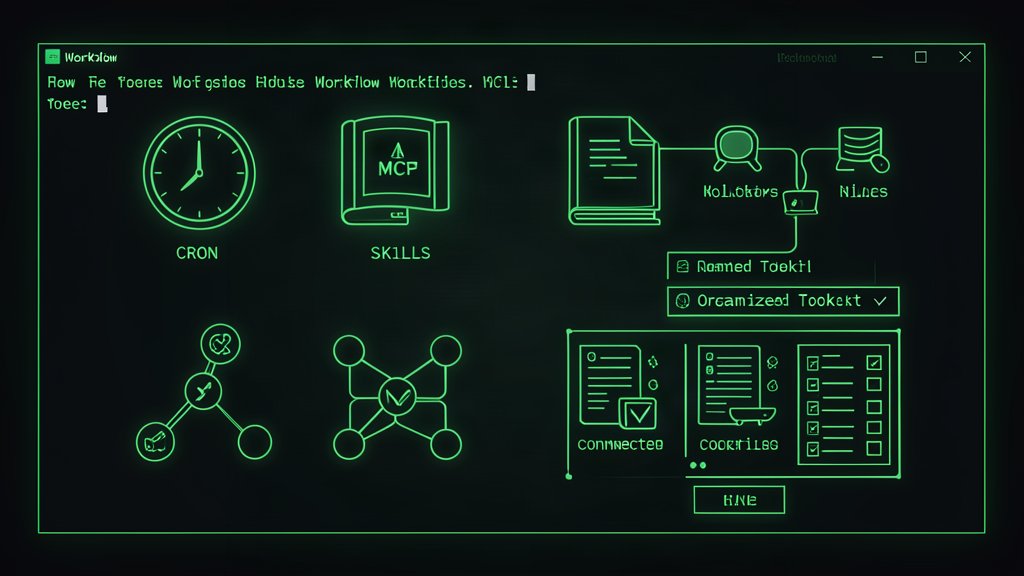
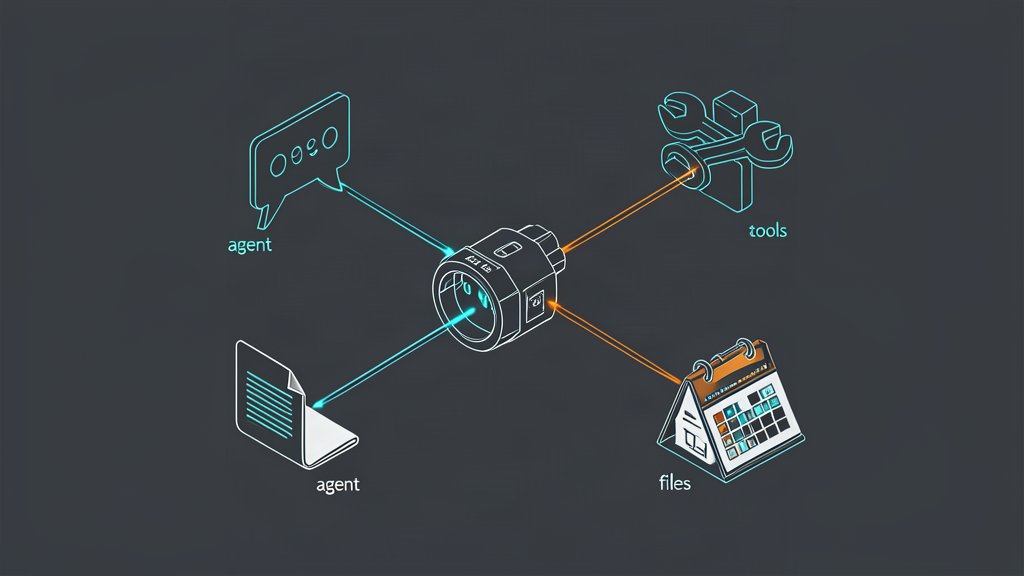
Hermes is interesting because it treats that as a product principle. Memory keeps stable context. Skills keep procedures. Session search keeps past work retrievable. Tool access lets the agent operate on the actual system instead of staying in a chat bubble.
That combination is closer to a personal operator than a simple coding assistant.
The Risk to Manage
A self-improving agent also needs discipline.
Bad memory can preserve wrong assumptions. Too many skills can create workflow clutter. Session history can become noise if the agent retrieves the wrong context. The value comes from curation, not accumulation.
That is the practical lesson: self-improvement should be deliberate. The agent should remember stable facts, turn repeated procedures into skills, and leave temporary task history in the session archive.
Bottom Line
Hermes Agent is worth following because it focuses on the part of AI agents that becomes more important over time: continuity.
Tools make an agent capable. Memory and skills make it personal. Session recall makes it durable across work that does not fit in one conversation.
That is the real case for self-improving personal AI agents.
References: Hermes Agent documentation, Hermes Agent GitHub repository.
Related areas
Related What I Do
These What I Do pages are matched from the subject matter of this article, creating a cleaner path from educational content to implementation work.
Continue reading
Related articles
Based on shared categories first, then the strongest overlap in tags.