A terminal agent is useful when you are sitting at the keyboard.
A cross-platform agent is useful when the work should continue wherever you are.
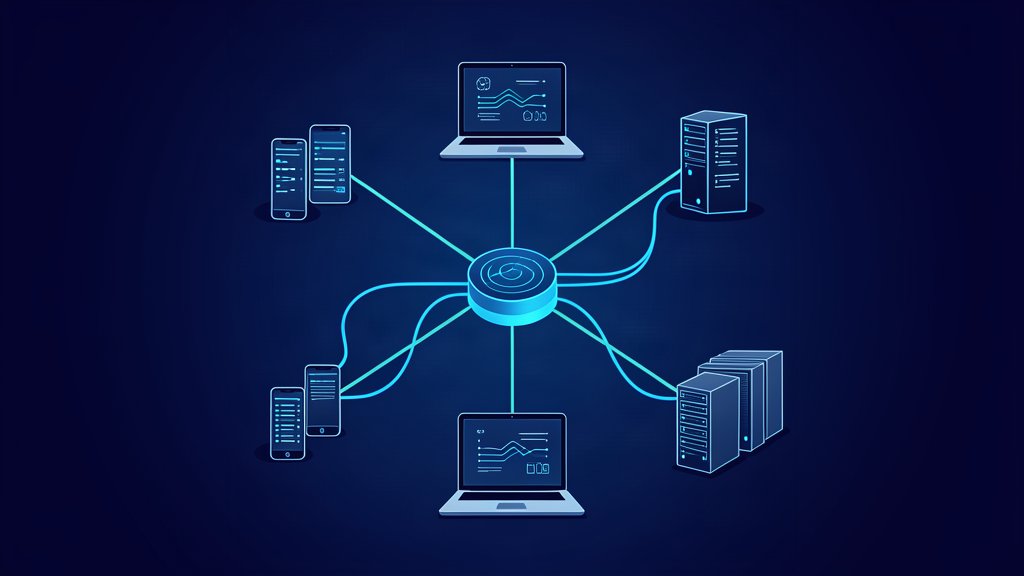
That is the architectural shift Hermes Agent is trying to make. It can run in the terminal, but it is not limited to the terminal. Through its messaging gateway, the same agent can be reached from platforms like Telegram, Discord, Slack, WhatsApp, Signal, Email, Matrix, Microsoft Teams, Home Assistant, and more.
That changes the product category. Hermes is not only a coding interface. It can become an automation layer around a machine you control.
The Gateway Is the Important Part
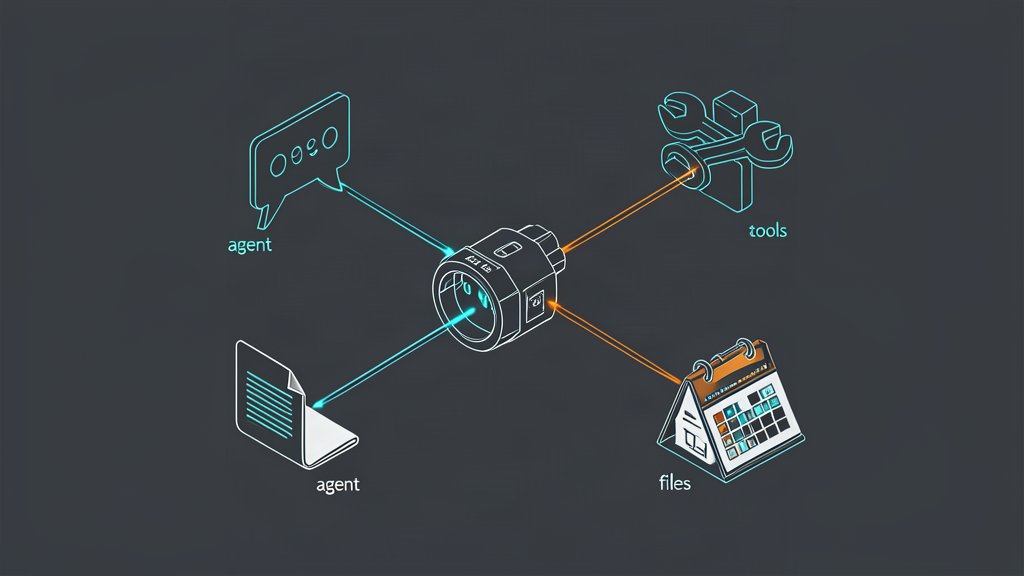
The gateway is a single background process that connects Hermes to messaging platforms. Messages arrive from a chat app, get routed into a session, and the agent can respond with the same tool access it has elsewhere.
That matters because many useful tasks do not start while you are in an IDE.
You might notice a broken page from your phone. You might forward a message that needs research. You might want a server checked while away from the laptop. You might want a quick summary delivered to a chat thread instead of opening a terminal session.
A chat interface is not just convenience. It changes where work can begin.
Remote Machines Make It More Interesting
Hermes can run on a local machine, but the more interesting pattern is a small VPS or cloud machine that stays available.
In that setup, the agent is not tied to your laptop being open. It can live near the systems it needs to inspect, the repositories it maintains, or the services it monitors. You can talk to it from a messaging app while it works in the background on the machine where the tools actually exist.
For system administration, content workflows, and lightweight operations, that is a useful operating model:
- The chat platform becomes the front end.
- The server becomes the execution environment.
- Hermes becomes the operator between them.
Scheduled Work Fits the Same Architecture
The messaging gateway also pairs naturally with scheduled work.
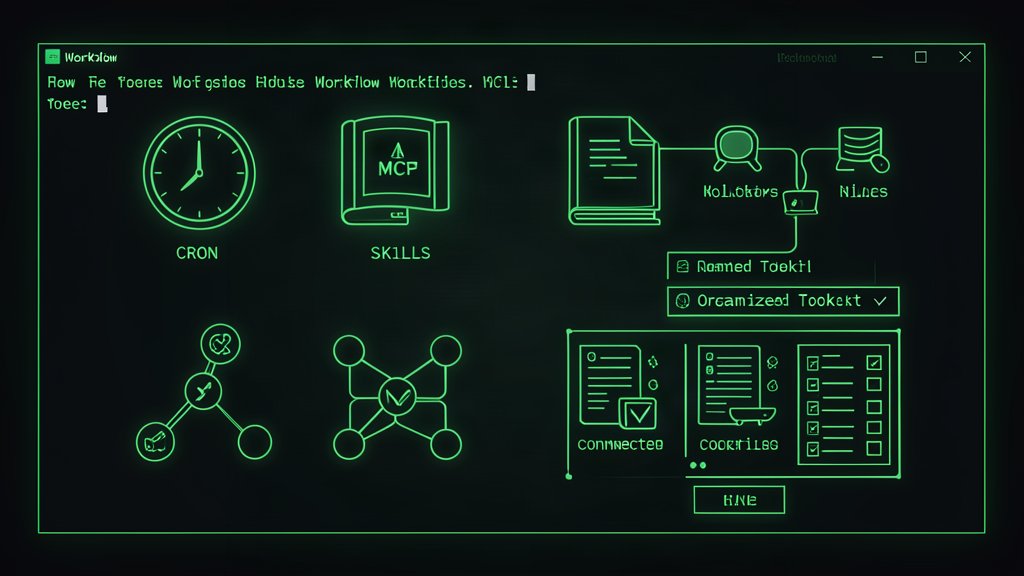
Hermes includes cron-style automation, so tasks can run once or on a recurring schedule. A scheduled job can create a daily report, check feeds, inspect a service, summarize new issues, or run a script and deliver the result back to a chosen channel.
That is different from a classic cron job that only writes logs or sends a fixed email. A Hermes scheduled task can run inside an agent session, load skills, use tools, and format the result for a human.
The useful pattern is simple: let deterministic scripts collect raw data, then let the agent turn that data into a decision-ready update.
Voice and Mobile Input Matter
Hermes also supports voice workflows through transcription and text-to-speech in supported platforms.
That sounds like a small feature until you think about operational use. If an agent can receive a voice memo, interpret the task, ask for approval when needed, and report back in the same channel, it becomes easier to use during the moments when typing is inconvenient.
For personal operations, that can be enough to make the tool part of daily work instead of a separate terminal habit.
The Trust Boundary Still Matters
A cross-platform agent should not become an uncontrolled action surface.
The more places an agent can receive instructions from, the more important permissions, approvals, and platform access become. A Telegram bot connected to a production server is powerful, but it also needs clear boundaries. Sensitive actions should require confirmation. Dangerous commands should not run casually. Public channels should not have the same authority as private admin channels.
The architecture is useful only when the trust model is explicit.
Bottom Line
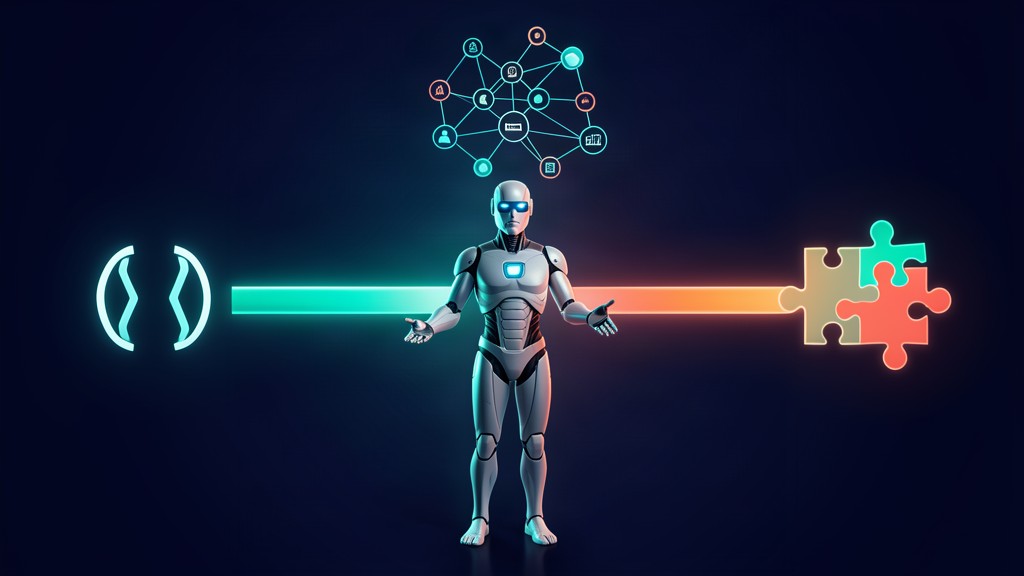
Hermes is most interesting when you stop thinking of it as a local coding assistant and start thinking of it as an operator layer.
It can live on a machine, talk through multiple chat platforms, run scheduled jobs, use voice input, and keep context across sessions. That makes it a strong fit for personal infrastructure, small team operations, and technical workflows that do not begin and end inside an IDE.
The terminal is still important. It is just not the only front door anymore.
References: Hermes Messaging Gateway, Hermes Scheduled Tasks.
Related areas
Related What I Do
These What I Do pages are matched from the subject matter of this article, creating a cleaner path from educational content to implementation work.
Continue reading
Related articles
Based on shared categories first, then the strongest overlap in tags.