
How to Keep Website Forms Clean With Cloudflare Turnstile
Cloudflare Turnstile helps service websites protect forms without forcing visitors through a more annoying CAPTCHA flow.
Category
10 matching blog articles. Practical security and privacy implementation notes on headers, consent, identity, and protection layers.
Category wiki
Definition
Security and privacy guidance for reducing risk while preserving usability.
What belongs here
Articles land in Security & Privacy when the main subject is hardening, privacy controls, identity safeguards, and risk reduction for modern systems..
How to read it
Treat this category as the broad lane first, then use tags to narrow that subject down to the concrete technologies, platforms, or patterns used inside it.
Common tags in this category
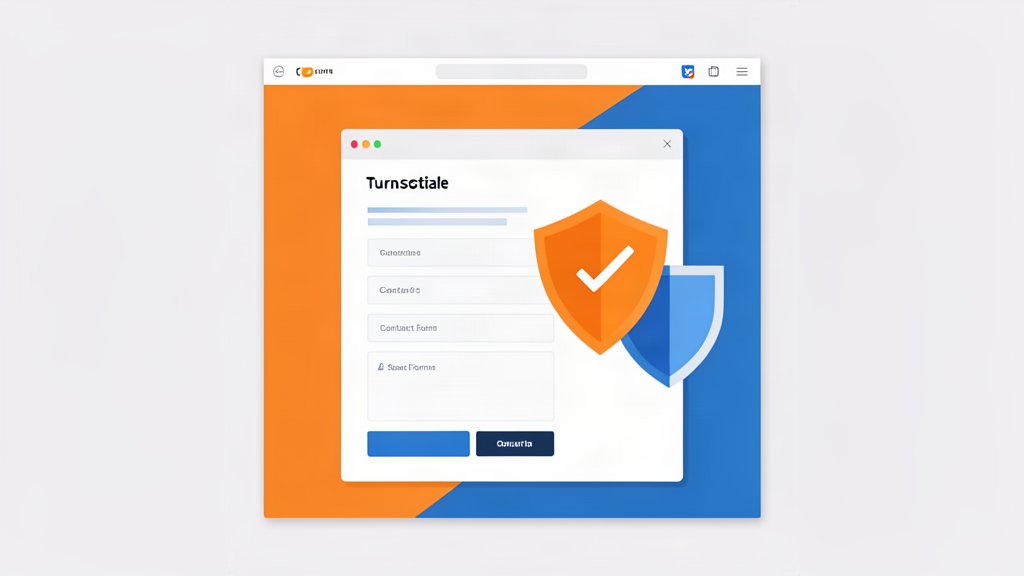
Cloudflare Turnstile helps service websites protect forms without forcing visitors through a more annoying CAPTCHA flow.
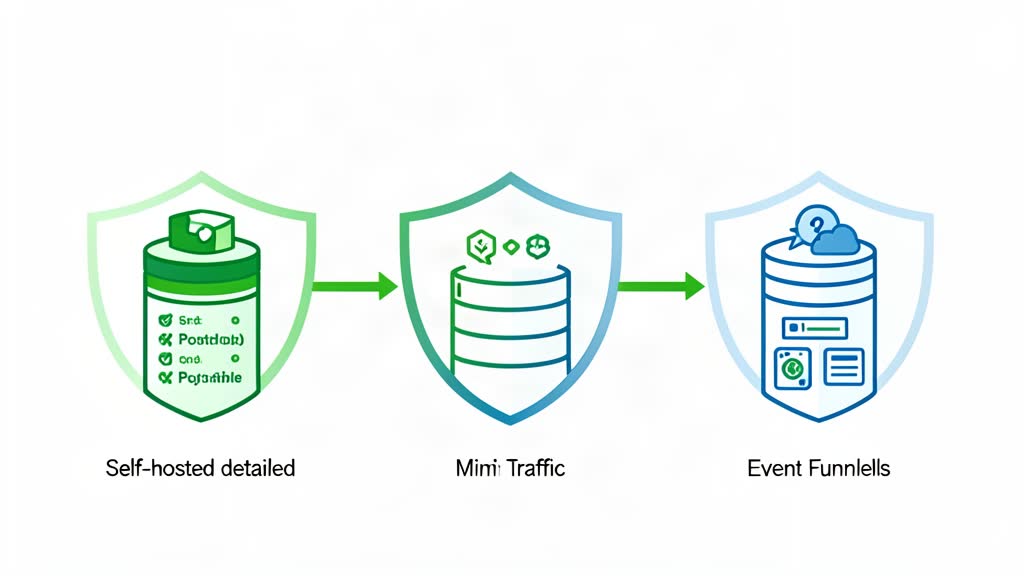
Matomo, Plausible, and PostHog solve different analytics problems, so the right choice depends on reporting depth, privacy, and product tracking needs.
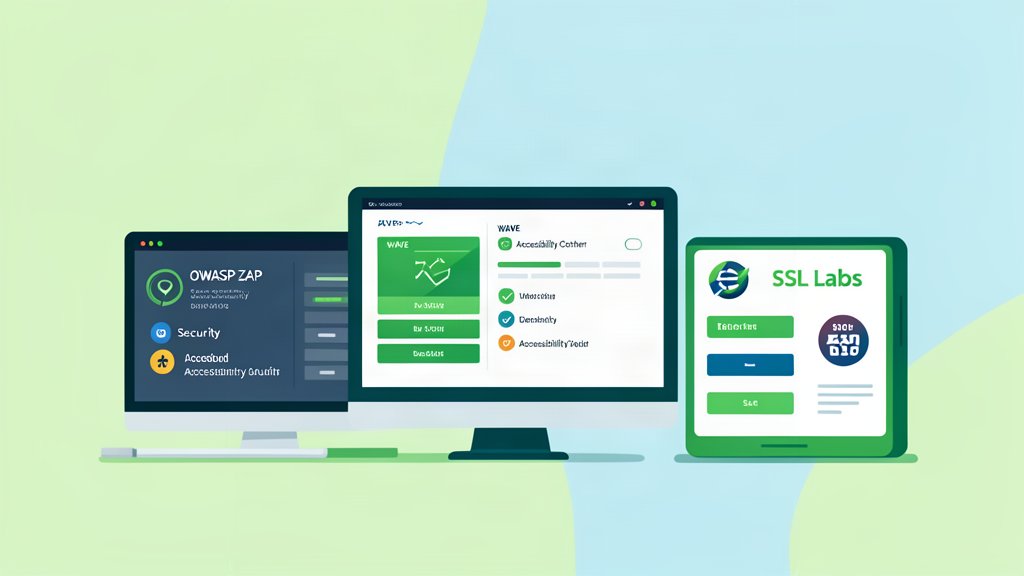
OWASP ZAP, WAVE, and SSL Labs cover different risk layers, and together they give a more realistic review of a website.
Small service sites usually need fewer tracking layers, not more. A better setup uses first-party measurement, clear notices, and consent only where it is needed.
APIs connect critical systems, but weak authentication, exposure, and poor monitoring make them a growing enterprise security risk.
Eliminating third-party cookies will not stop companies from tracking web users, says DuckDuckGo, which claims it can help with its desktop browser extensions and mobile apps.
KeePass is a free open source password manager, which helps you to manage your passwords in a secure way. You can store all your passwords in one database, which is locked with a master key. So you only have to remember one single master key to unlock the whole database.
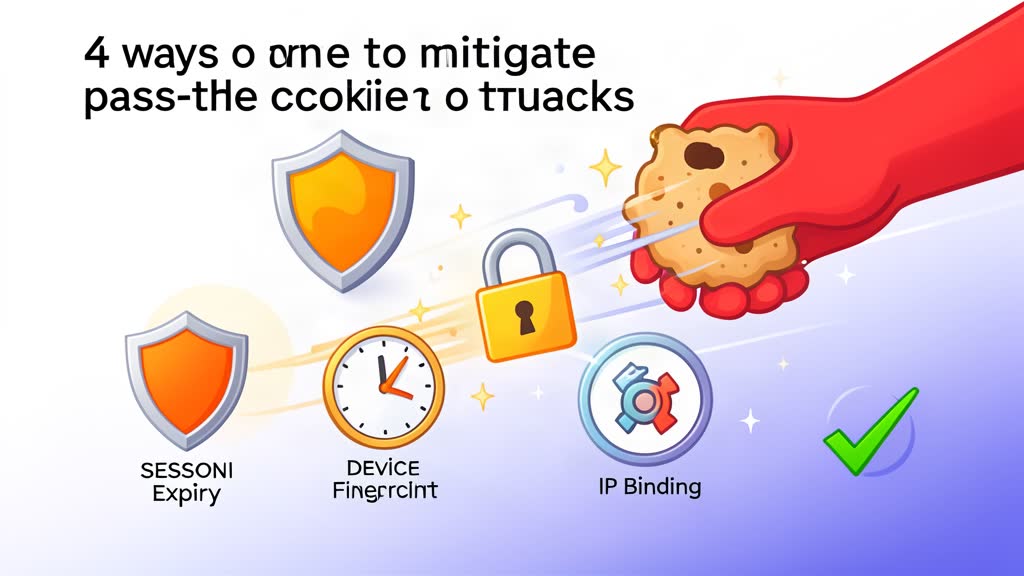
Pass-the-cookie attacks let attackers reuse stolen session cookies. These four defenses help reduce that risk in cloud and web environments.
Enable multi-factor authentication before an attacker does. MFA makes account takeovers harder and recovery far less painful.
SSL protects data in transit, enables HTTPS, and helps websites earn browser trust, stronger security, and better search visibility.