

Ransomware Recovery: Testing Backups and DR Drills
Ransomware recovery hinges on tested backups and rehearsed DR drills. Keep backups offline or immutable, set clear recovery objectives, and restore on a schedule.
Tag
24 matching blog articles with repeat coverage under this topic.
Tag wiki
Definition
Security encompasses practices and technologies to protect systems and data from unauthorized access, attacks, and vulnerabilities.
Why it matters
It matters because security breaches have serious consequences including data loss, financial damage, and regulatory penalties.
In this archive
In this archive security shows up in HTTPS, authentication, authorization, vulnerability management, headers, and decisions about protecting systems and users. It currently appears in 24 articles and crosses 5 categories.
Nearest categories
Security & Privacy , Infrastructure & DevOps , Updates & Announcements , CMS & Content Systems
Reference
Often appears with
Ransomware recovery hinges on tested backups and rehearsed DR drills. Keep backups offline or immutable, set clear recovery objectives, and restore on a schedule.
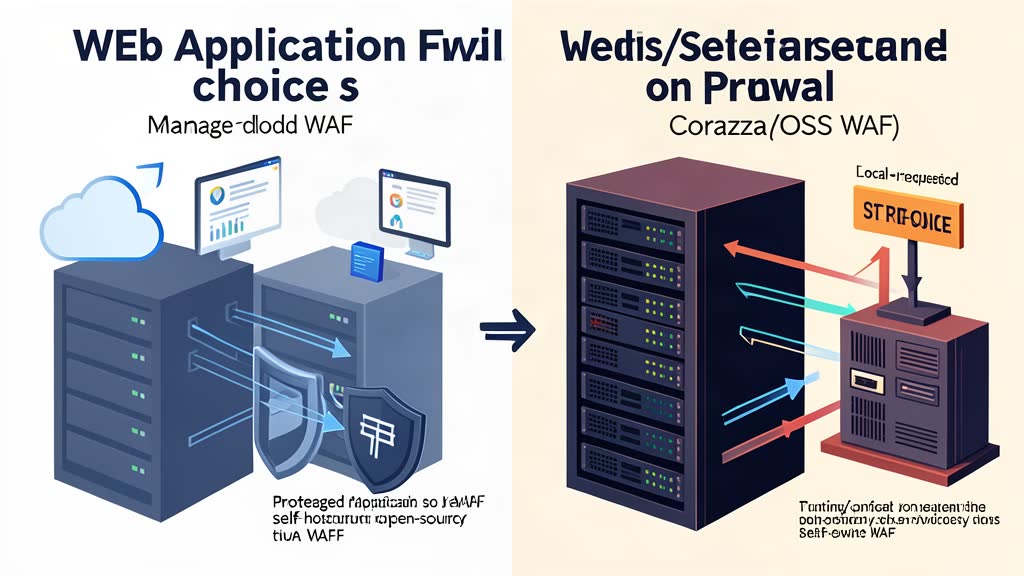
Cloudflare's managed WAF is zero-ops but its OWASP ruleset still runs CRS 3.3; self-hosted Coraza gives you current CRS 4 and control.

W3C CSP3 is still a Working Draft, Reporting-Endpoints became baseline, and teams can enforce strict policies safely by collecting reports first.

A practical commentary on the OWASP Foundation's 45-minute Top 10:2025 announcement and what its updated risks mean for web teams.

A practical, low-drama approach to infrastructure secrets: keep credentials out of Git, use least privilege, rotate deliberately, and introduce Vault when the operational need is real.
CISA refreshed the SBOM baseline in July 2026, while the EU Cyber Resilience Act makes machine-readable software inventories a practical roadmap item for teams building or buying digital products.
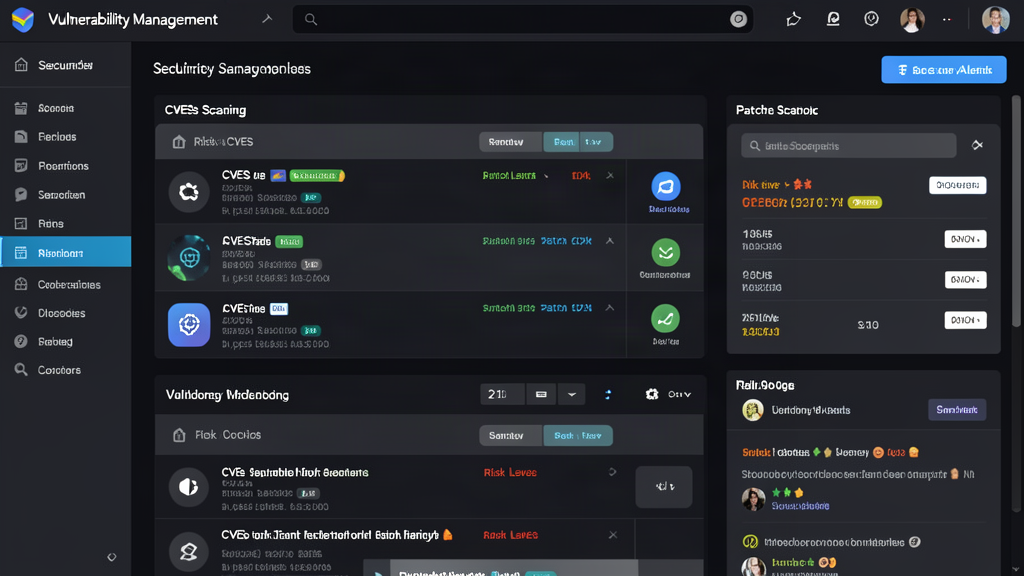
The 2026 vulnerability-management reset: NVD now triages CVEs by risk, CISA's KEV list is the priority signal, and small ops teams can patch what matters in days instead of drowning in CVSS scores.
While eBPF is often synonymous with observability, its capabilities extend deeply into Linux kernel networking, security, and scheduling optimizations.
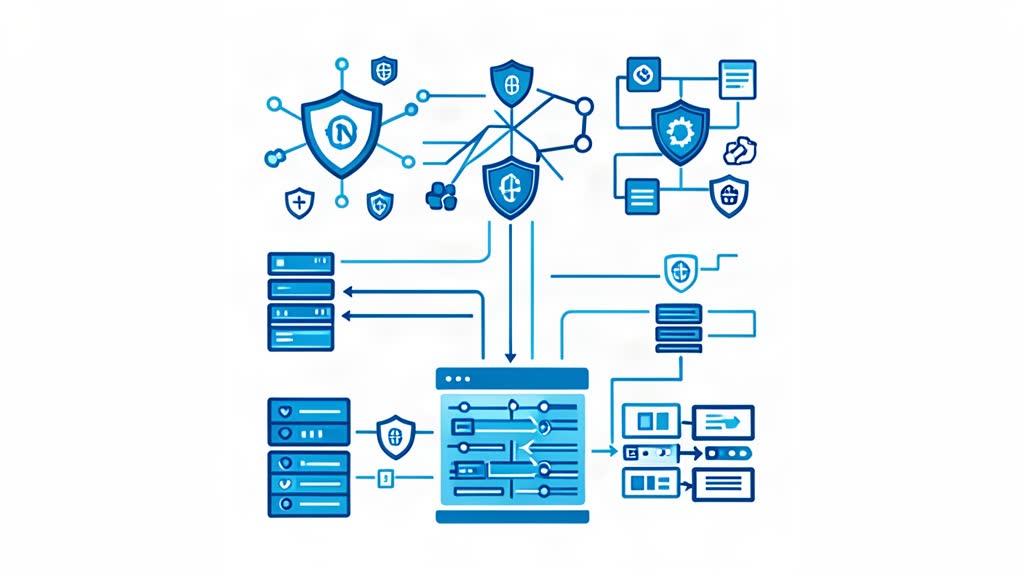
DNSSEC authenticates DNS data, CAA records constrain certificate issuance, and layered DDoS protection keeps DNS and applications available — plus the 11 October 2026 root KSK rollover deadline every resolver operator should check.

Zero trust is now practical for small teams. NIST and NSA published phased 2025–2026 guidance; the on-ramp is MFA, identity-based access, and WireGuard as transport.

A two-hour freeCodeCamp course on DevSecOps and API security, and why baking security into every stage of delivery matters more than a final security gate for modern engineering teams.

Beyond updates and strong passwords: least privilege, service minimization, firewalling, auditing, and AppArmor — the practical hardening layers that protect a Linux server.
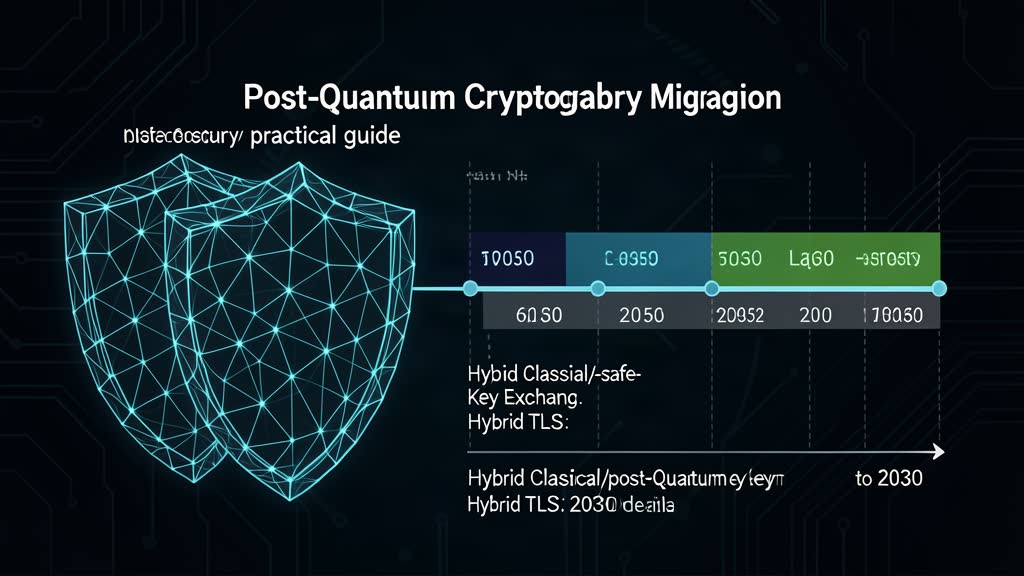
A practical guide to migrating from classical to post-quantum cryptography: NIST-standardized algorithms, hybrid TLS key exchange deployment, OpenSSL/oqs-provider configuration, the White House 2030 deadline, and a phased migration strategy rooted in crypto-agility.

Cloudflare launches Precursor — a one-click continuous behavioral validation engine that replaces CAPTCHAs with real-time session-wide analysis. 57% of web traffic is now automated.

June 2026 marked a shift from ransomware to pure data-theft extortion. Breaches at One Medical, NAIC, and Novo Nordisk show that encryption is no longer the weapon — data exfiltration is.

Cloudflare’s 2026 announcements show the edge becoming a runtime for agent workflows, with more focus on isolation, speed, and safer automation.

Apple extends Private Cloud Compute to Google Cloud with NVIDIA GPUs, using three-layer hardware trust and a verifiable transparency ledger. A new benchmark for confidential computing at hyperscale.
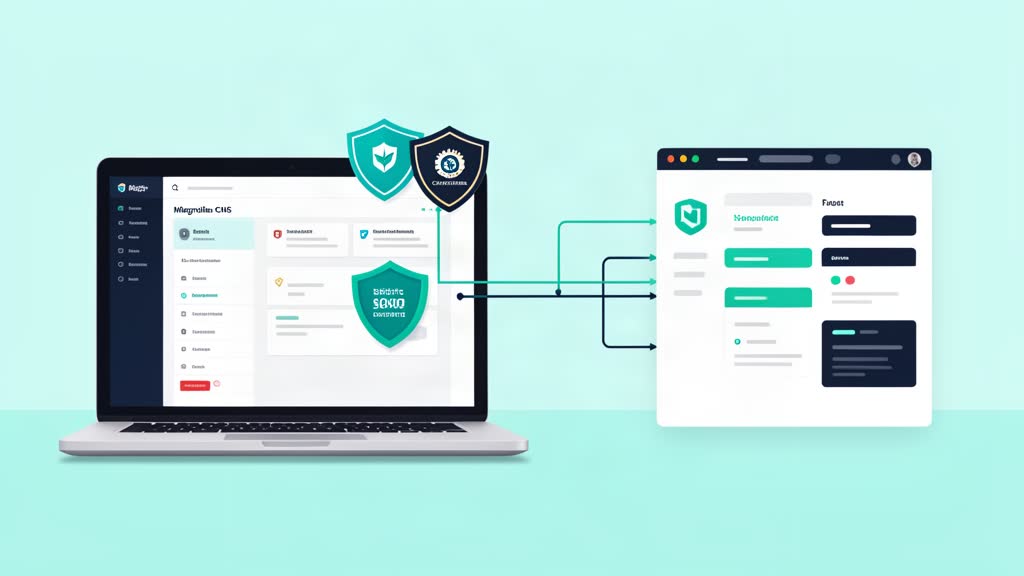
Magnolia and Alpine.js can complement each other when a team needs strong governance and compliance on the CMS side while keeping the frontend interaction layer intentionally small.

Ubuntu 26.04 LTS improves the security, container, and retrieval layers that AI teams keep fighting during development and deployment.
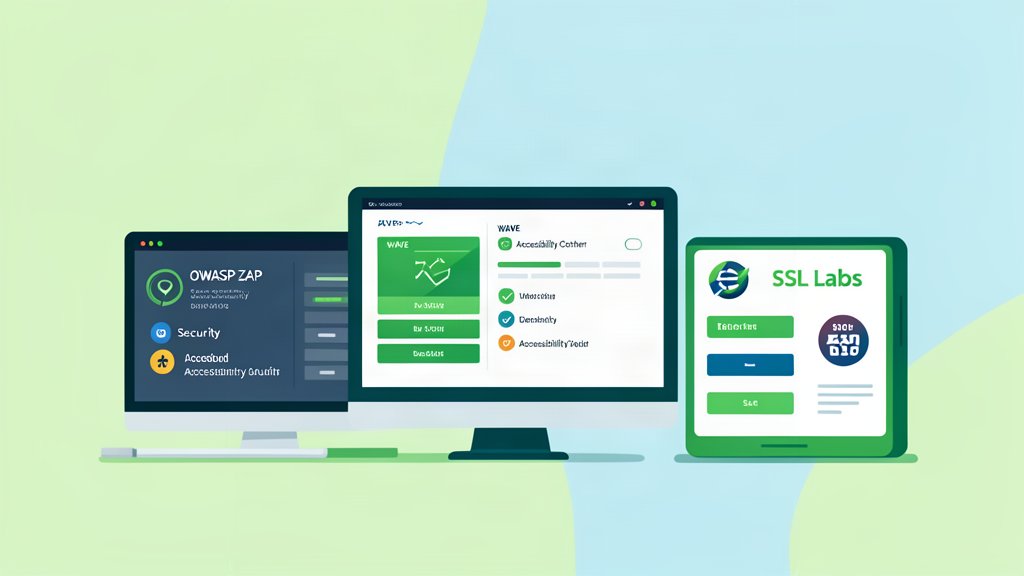
OWASP ZAP, WAVE, and SSL Labs cover different risk layers, and together they give a more realistic review of a website.

A practical security checklist for OpenClaw deployments, including allowlists, sandboxing, reverse proxies, secrets, and trust boundaries.
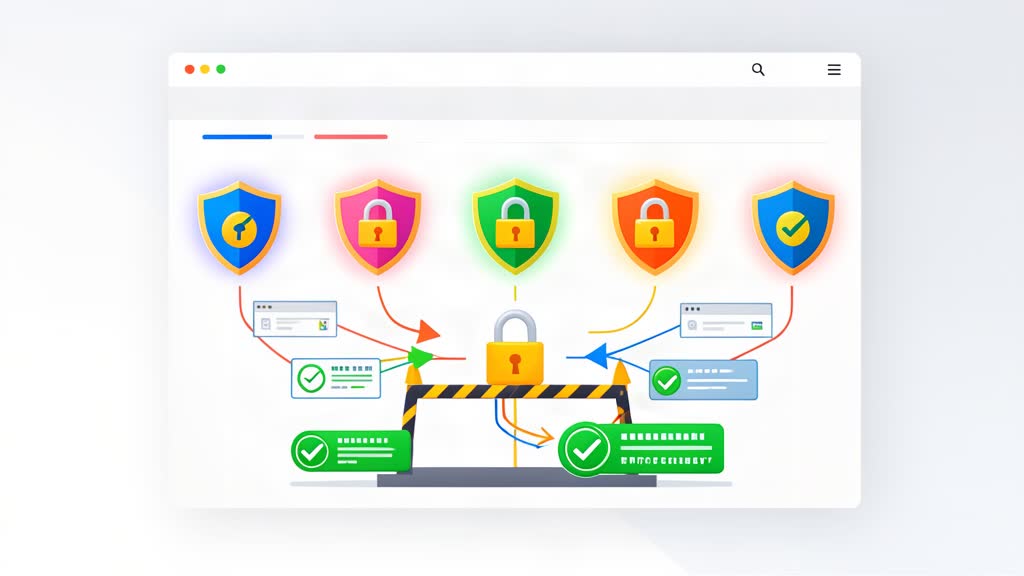
Learn which HTTP security headers strengthen a WordPress site and how they help reduce common browser-side risks without relying on plugin bloat.
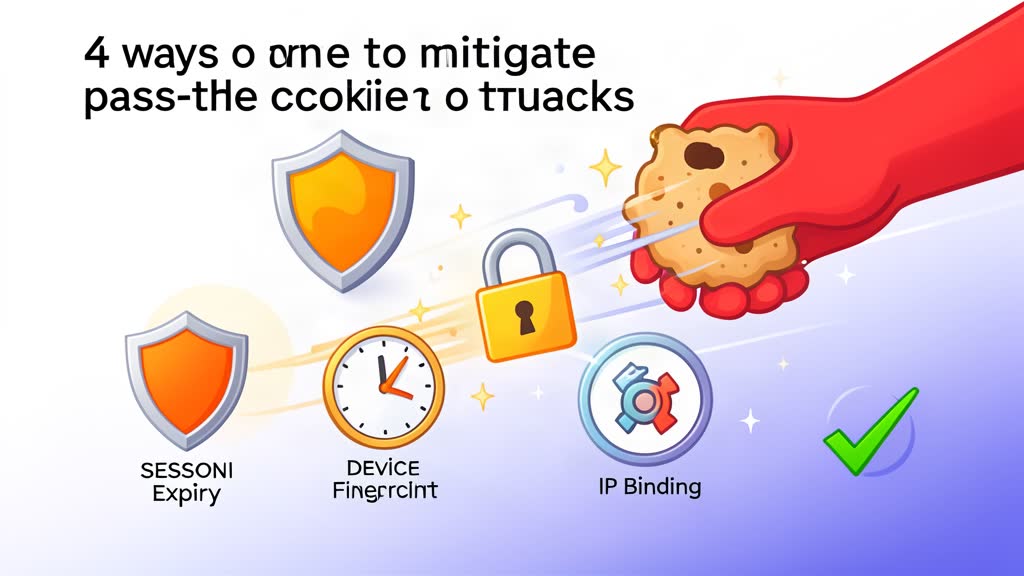
Pass-the-cookie attacks let attackers reuse stolen session cookies. These four defenses help reduce that risk in cloud and web environments.

Enable multi-factor authentication before an attacker does. MFA makes account takeovers harder and recovery far less painful.