 Goran Štimac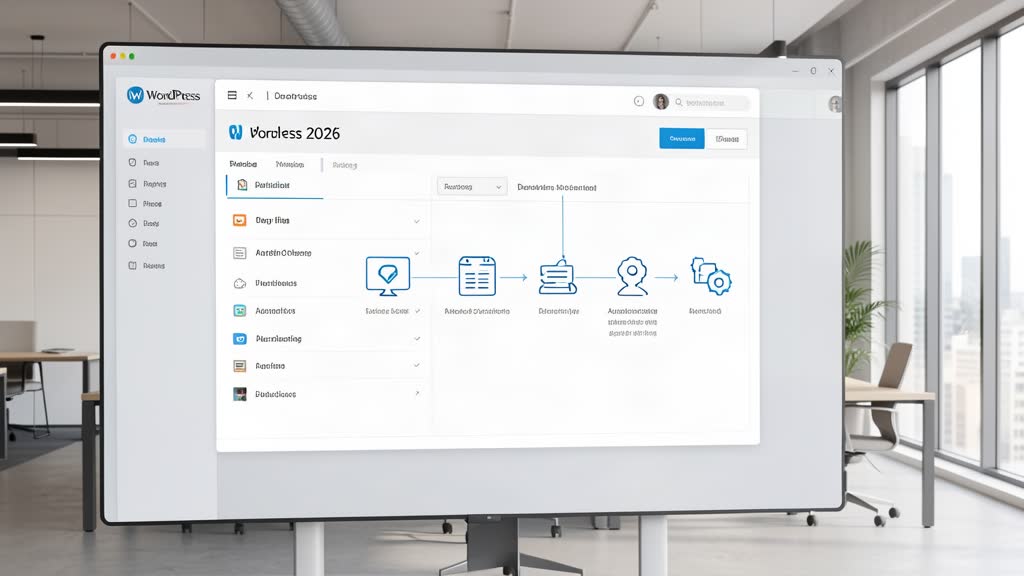
WordPress still deserves a 2026 article because it remains the default CMS conversation for a reason. It is still the dominant publishing system in the market, but that does not mean it is the right answer for every project. The useful question is no longer whether WordPress is alive. The useful question is when it is still the best trade-off.
WordPress still fits well in editorial sites, marketing sites, and teams that need to publish quickly without building an entire content system from scratch. If the team values ownership, plugin breadth, and a familiar editing workflow, WordPress remains hard to beat. It is especially effective when the publishing process itself is part of the product.
WordPress starts to struggle when the site behaves more like an application than a publishing system. If the content model is highly structured, the front end is unusually custom, or the team cannot stay on top of updates and security, another stack may be better. In those cases the familiar choice can become the expensive one.
The real 2026 lesson is that WordPress works best when it is treated like an operational system, not just a theme install. Update hygiene, security basics, clean content structures, and a little automation go a long way. If the team can operate it well, WordPress still offers a strong balance of speed, flexibility, and ownership.
That is why this article should avoid nostalgia. WordPress is not “better” in the abstract. It is better when the team has the discipline to keep it healthy and the use case actually matches a managed publishing workflow.
Further reading: WordPress, roadmap updates, and security guidance.
Related areas
Related What I Do
These What I Do pages are matched from the subject matter of this article, creating a cleaner path from educational content to implementation work.
Continue reading
Related articles
Based on shared categories first, then the strongest overlap in tags.