 Goran Štimac
WordPress still powers roughly 43 percent of websites tracked by independent surveys in 2026. For small businesses the question is no longer whether the platform works, but under which conditions it remains the pragmatic choice versus newer alternatives that promise lower maintenance and better performance.
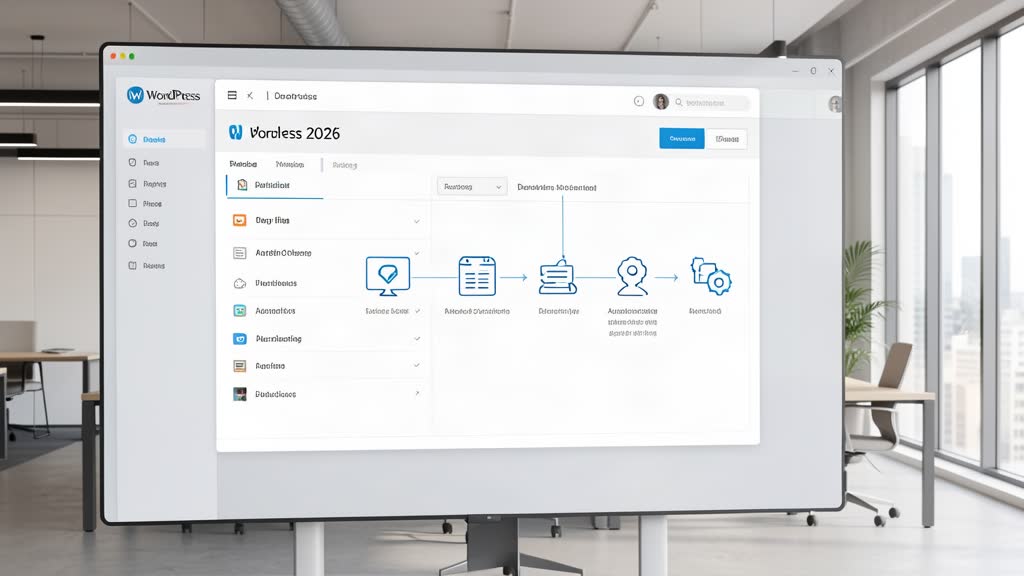
The classic strengths remain relevant. Most small-business owners or their marketing staff already know the WordPress admin interface. They can create pages, upload media, and manage menus without a developer on retainer. The plugin directory still offers mature solutions for SEO, forms, e-commerce, membership, and analytics that integrate without custom code. Managed hosting providers such as WP Engine, Kinsta, and Pressable have matured their security tooling and automatic updates, so a typical five-page brochure site can run reliably on a modest monthly plan.
In practice, WordPress continues to win when content changes frequently and the team values direct control. A local bakery updating its weekly specials, a consultancy publishing case studies every month, or a regional law firm maintaining an attorney directory all benefit from an editor-friendly backend that does not require a separate content staging workflow. The combination of familiar UI, extensive plugin selection, and affordable managed hosting keeps total cost of ownership predictable for organizations that do not need global scale or sub-second page loads on every device.
The tradeoffs have become clearer. A default WordPress install with several popular plugins presents a larger attack surface than a static site or headless frontend. Furthermore, even with modern hosting and automated patching, the average WordPress site still loads slower than an equivalent static build served from a CDN. Maintenance is not zero: theme and plugin updates must be tested, database tables need occasional optimization, and security monitoring remains an ongoing task rather than a one-time configuration. For businesses that treat the website as a set-and-forget marketing asset, these recurring costs can exceed the initial convenience.
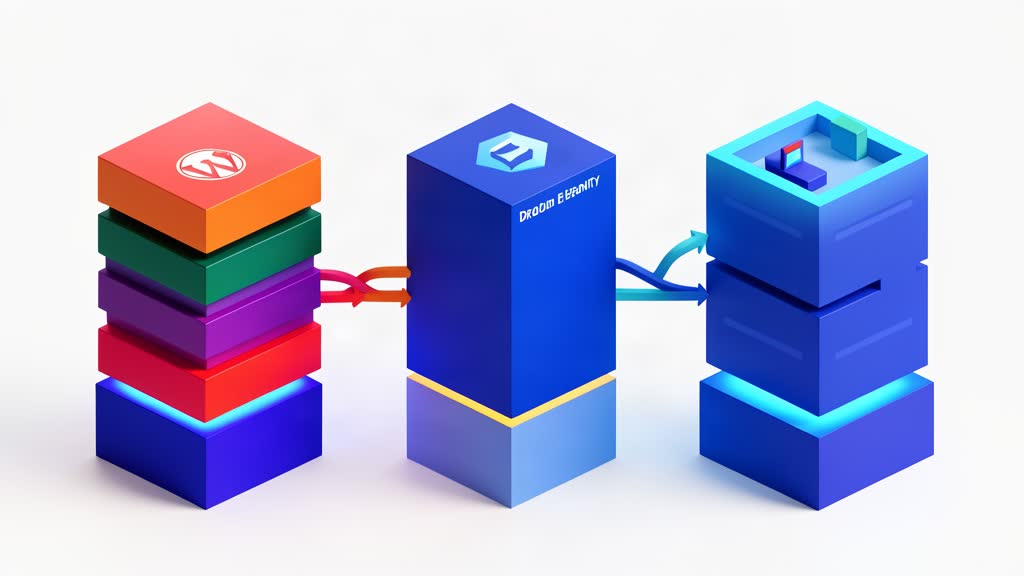
Headless and static alternatives have matured enough to be realistic for many small teams. Astro, Framer, and Webflow now provide visual editing experiences that non-technical users can adopt after a short onboarding period. Whenever the primary requirement is fast global delivery, strong security posture, and minimal ongoing maintenance, a static or Jamstack approach often delivers lower long-term effort. The decision hinges on whether the business needs the full plugin ecosystem and editorial familiarity that WordPress supplies, or whether a simpler publishing model meets the same goals with less overhead.
Concrete examples help clarify the boundary. A three-person marketing agency running client microsites with frequent copy changes and occasional WooCommerce campaigns is likely to stay on WordPress; the existing team skills and plugin library outweigh the performance penalty. A solo consultant who publishes one new service page per quarter and wants the site to feel instant on mobile will usually achieve better results with a static generator and a simple content layer. Neither choice is universally superior; each matches a different operational profile.
The 2026 landscape therefore favors a deliberate evaluation rather than defaulting to the incumbent platform. Small businesses that map their content cadence, team skills, security tolerance, and performance expectations against the concrete strengths and costs of WordPress make more durable decisions than those who choose it out of habit or familiarity alone.
Related areas
Related What I Do
These What I Do pages are matched from the subject matter of this article, creating a cleaner path from educational content to implementation work.
Continue reading
Related articles
Based on shared categories first, then the strongest overlap in tags.